

Westward Expansion of the United States
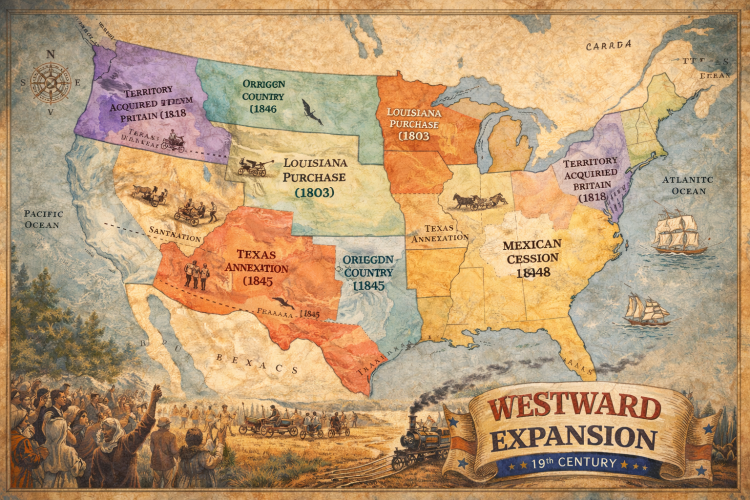
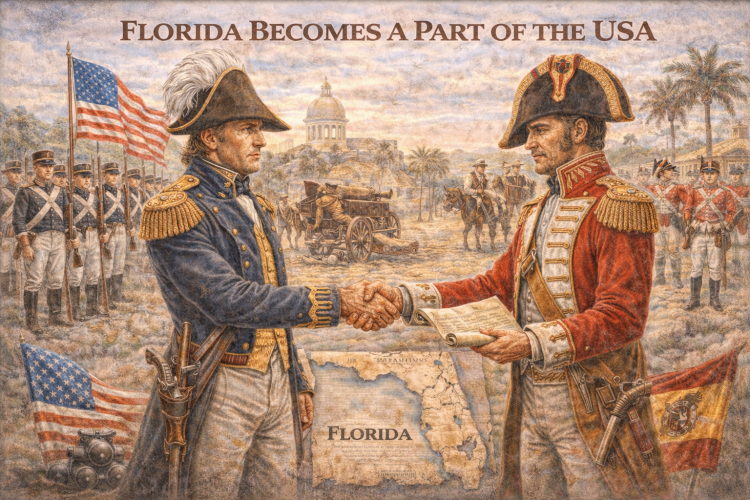
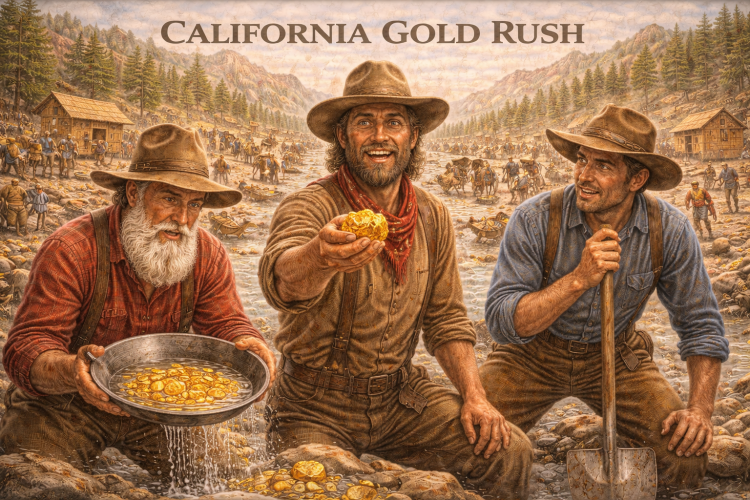
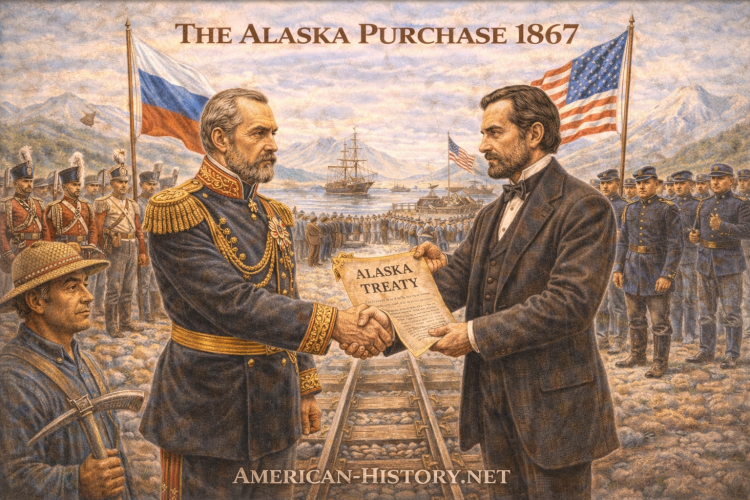
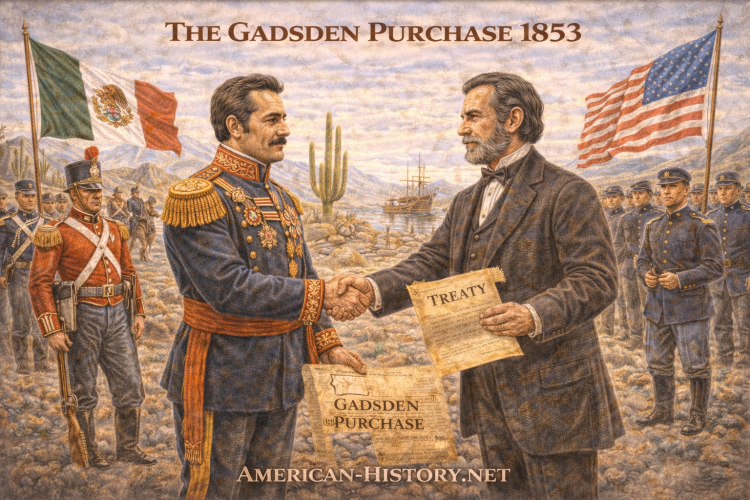
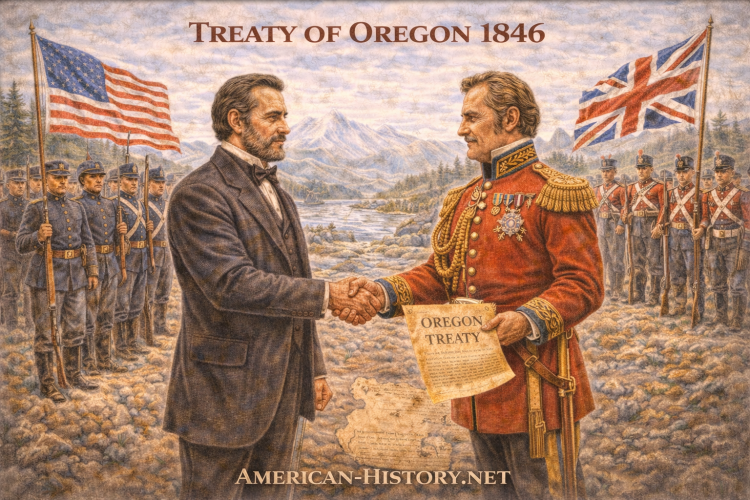
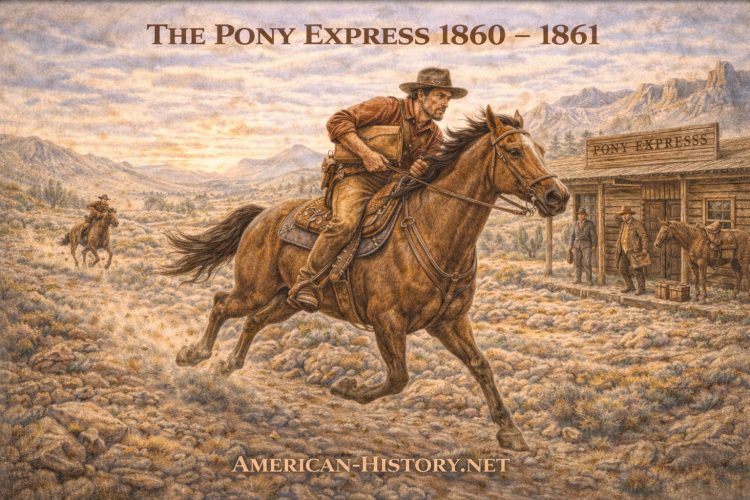
The westward expansion of the United States reshaped the nation’s geography, economy, and identity. Sparked by the Louisiana Purchase in 1803, Americans moved west in search of land, opportunity, and prosperity. This hub explores the key events, ideas, and consequences of America’s push westward during the 19th century.
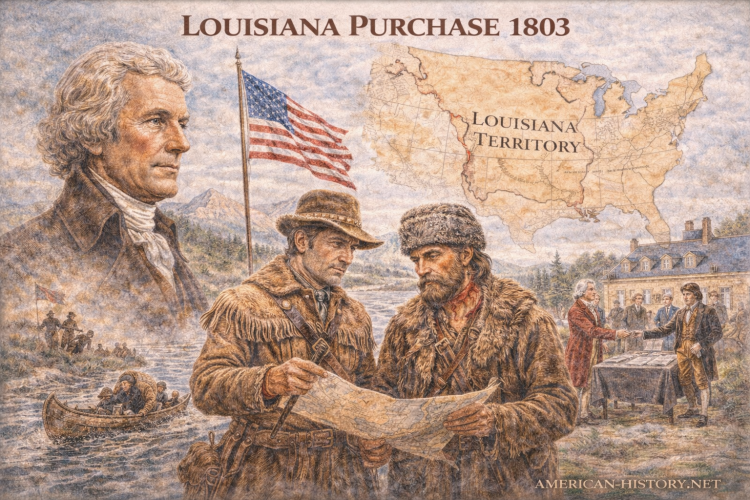
Louisiana Purchase (1803)
President Thomas Jefferson’s acquisition of Louisiana from France doubled the size of the United States and opened vast new lands for settlement.
Explore the Louisiana Purchase →Manifest Destiny
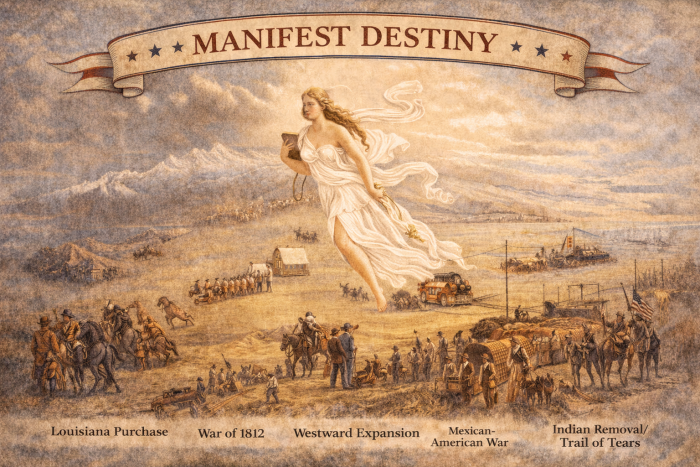
The belief that the United States was destined to expand westward, spreading liberty and democracy across the North American continent.
Learn about Manifest Destiny →Trails Into the West
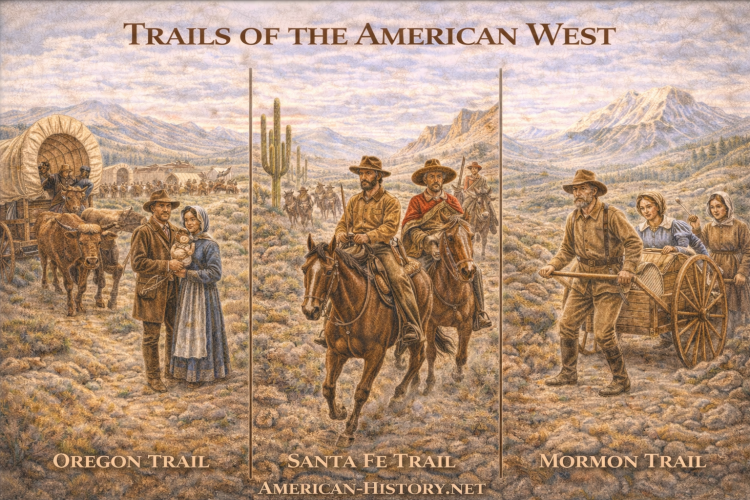
Thousands of settlers traveled dangerous overland routes such as the Oregon Trail, Mormon Trail, and Santa Fe Trail in search of opportunity.
Discover the Western Trails →Slavery & Westward Expansion
As new territories were added, Americans fiercely debated whether slavery should expand westward — a conflict that ultimately led to the Civil War.
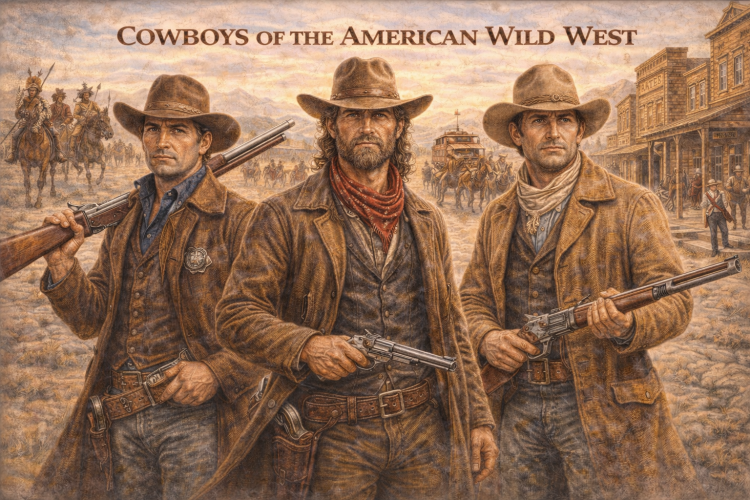
Slavery and Expansion →The American Wild West
The western frontier became famous for opportunity, lawlessness, frontier justice, and the rise of legendary outlaws, settlers, and lawmen.
Explore the Wild West →Westward Expansion Fast Facts
- The Louisiana Purchase cost the United States $15 million.
- Westward expansion nearly doubled the nation’s landmass.
- Thousands of miles of trails connected the East to the West.
- Slavery became the most divisive issue tied to expansion.
- The frontier shaped American culture, politics, and identity.
Explore More 19th Century America
Discover wars, presidents, social change, and major events that defined the United States during the 1800s.
Browse 19th Century History →