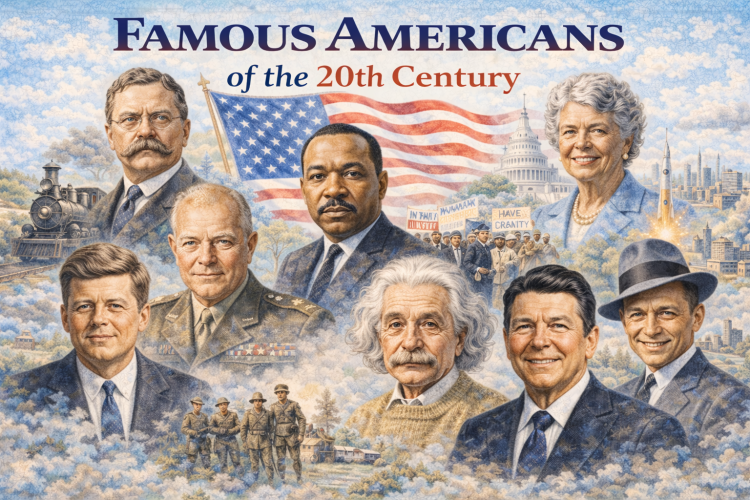
The 20th century produced a wide range of influential Americans whose actions shaped politics, culture, science, industry, and social change. From presidents and civil rights leaders to innovators, writers, and entrepreneurs, these individuals left lasting marks on American society and global history.
This hub provides a brief overview of notable figures from the period and links to more detailed biographical articles.
Theodore Roosevelt
Theodore Roosevelt served as the 26th President of the United States and was a leading figure of the Progressive Era. His presidency expanded the role of the federal government in regulating business and protecting natural resources. Roosevelt played a major role in advancing conservation, establishing national parks and monuments, and promoting U.S. influence abroad, including support for the construction of the Panama Canal.
Franklin D. Roosevelt
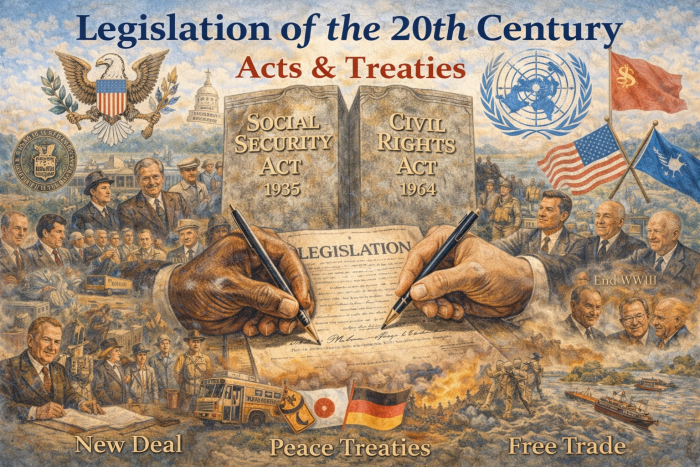
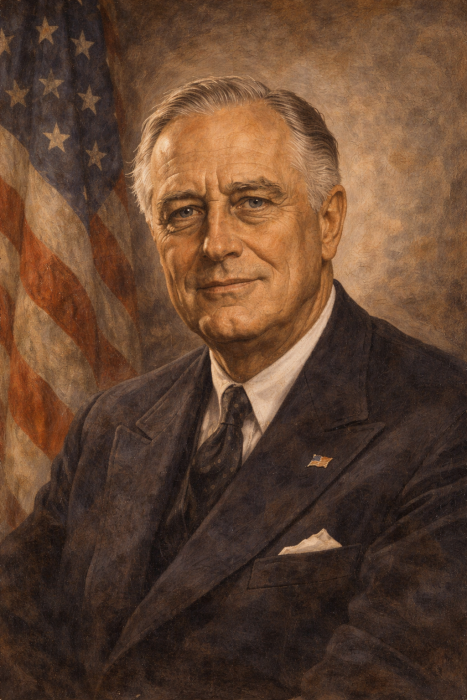
Franklin D. Roosevelt, the 32nd President, led the United States through the Great Depression and most of World War II. His New Deal programs reshaped the relationship between the federal government and the economy. Roosevelt also played a key role in Allied wartime strategy and in planning the postwar international order, including the early development of the United Nations.
Dwight D. Eisenhower
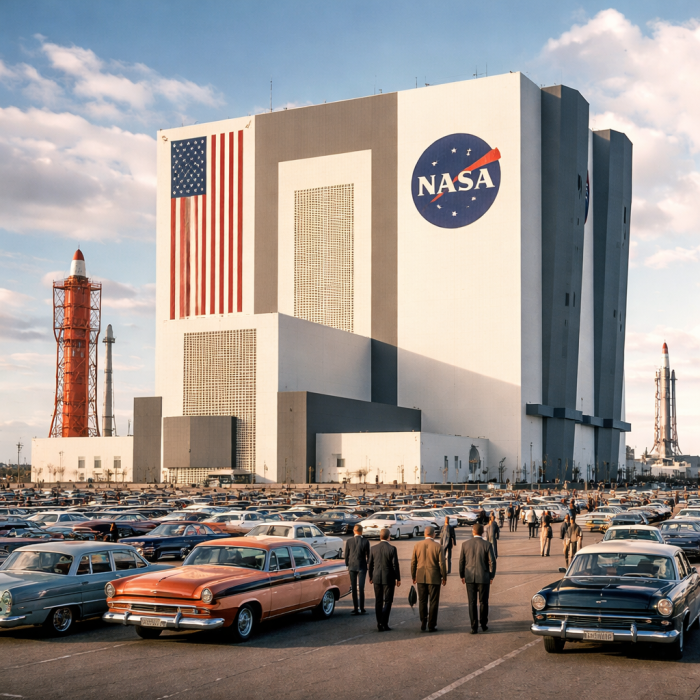
Dwight D. Eisenhower served as the 34th President of the United States after leading Allied forces in Europe during World War II. As president, he focused on Cold War stability, infrastructure development, and military preparedness. Eisenhower oversaw the creation of the Interstate Highway System and authorized the establishment of NASA during the early years of the space race.
Rosa Parks
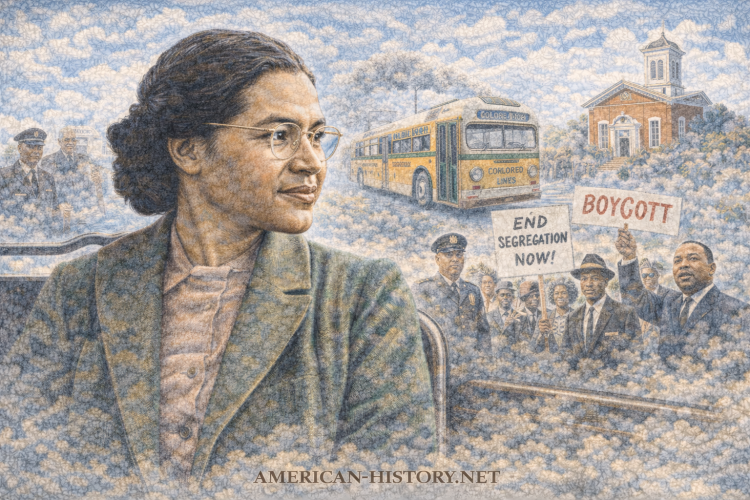
Rosa Parks was a central figure in the American Civil Rights Movement. In 1955, her refusal to give up her seat on a segregated bus in Montgomery, Alabama, helped trigger the Montgomery Bus Boycott. Her actions brought national attention to racial segregation and contributed to broader civil rights reforms. Parks later received the Presidential Medal of Freedom and the Congressional Gold Medal.
Albert Einstein
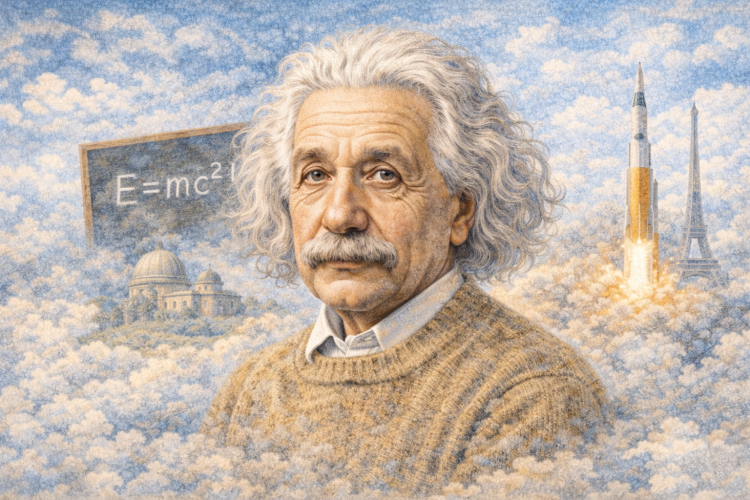
Albert Einstein was a physicist whose work transformed modern science. Born in Germany, he later became a U.S. citizen after emigrating to the United States. Einstein is best known for developing the theory of relativity and for his contributions to quantum physics. During the 20th century, he became one of the most recognizable scientific figures in the world.
Ernest Hemingway
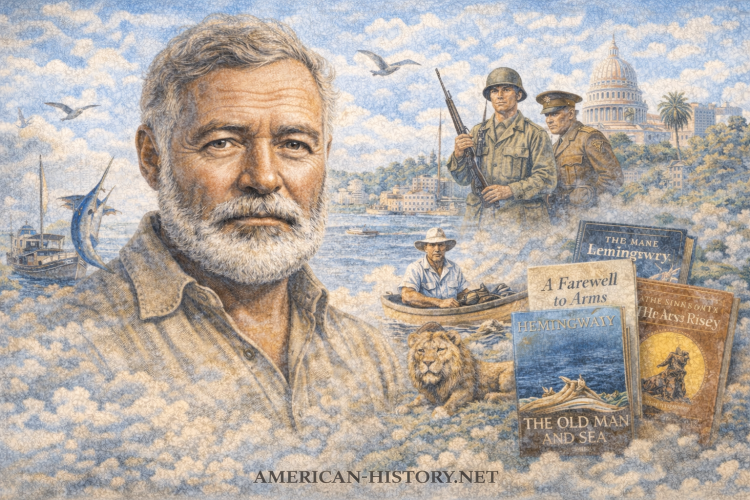
Ernest Hemingway was a major American writer of the 20th century whose work influenced modern literature. Known for a concise and restrained writing style, he authored novels, short stories, and nonfiction works. Hemingway received the Nobel Prize for Literature in 1954, and his writing often reflected themes of war, loss, and human endurance.
Wright Brothers
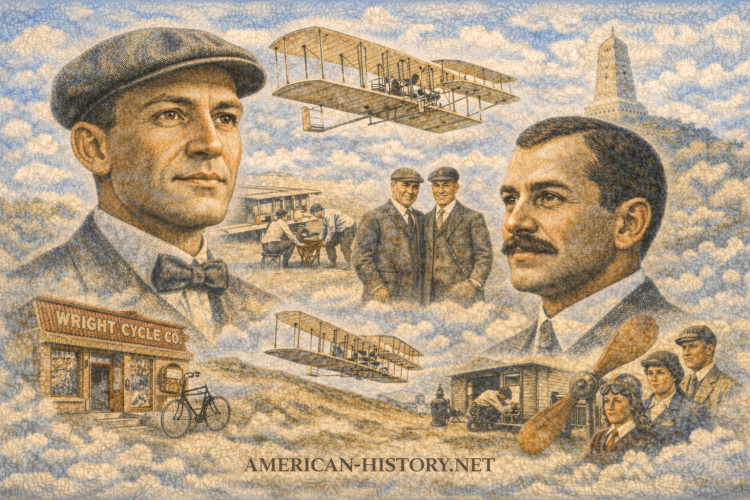
The Wright Brothers, Orville and Wilbur Wright, are credited with achieving the first successful powered airplane flight in 1903. Their work laid the foundation for modern aviation through advances in aircraft control and design. Their experiments and innovations marked a turning point in transportation and technology in the early 20th century.
Martin Luther King Jr.
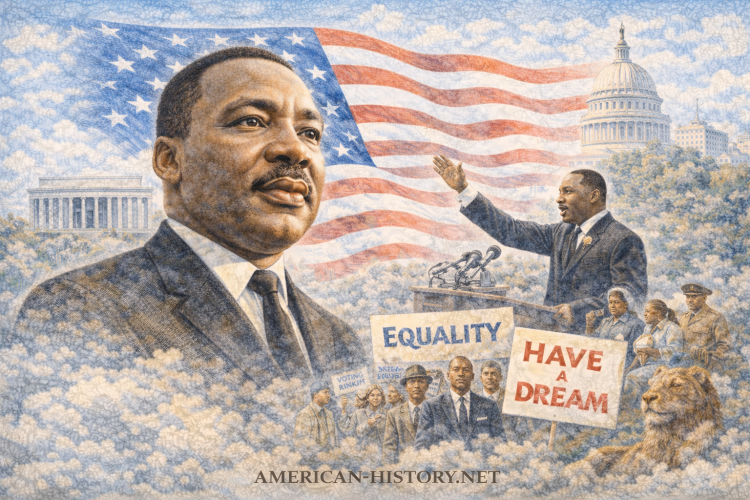
Martin Luther King Jr. was a leading figure in the American Civil Rights Movement during the 1950s and 1960s. He advocated nonviolent resistance to racial segregation and discrimination and played a central role in major civil rights campaigns. King was awarded the Nobel Peace Prize in 1964 and was assassinated in 1968.
Muhammad Ali
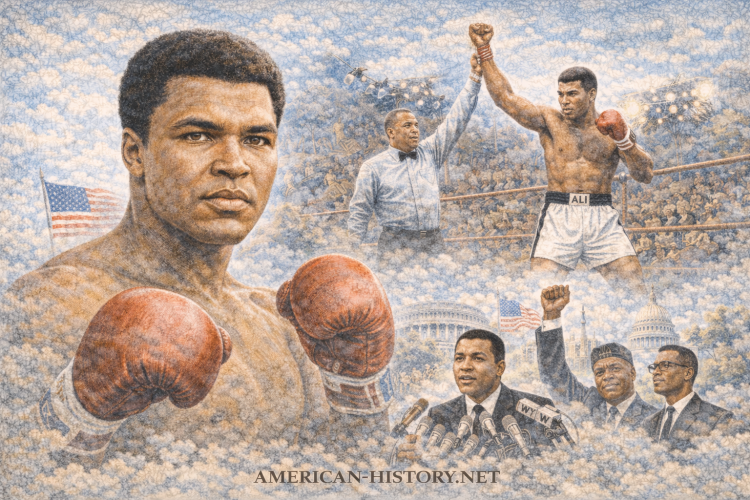
Muhammad Ali was a professional boxer who became one of the most prominent athletes of the 20th century. Beyond his achievements in boxing, Ali was known for his public stance on civil rights and opposition to the Vietnam War. His career and activism made him a significant cultural figure in American history.
Dale Carnegie
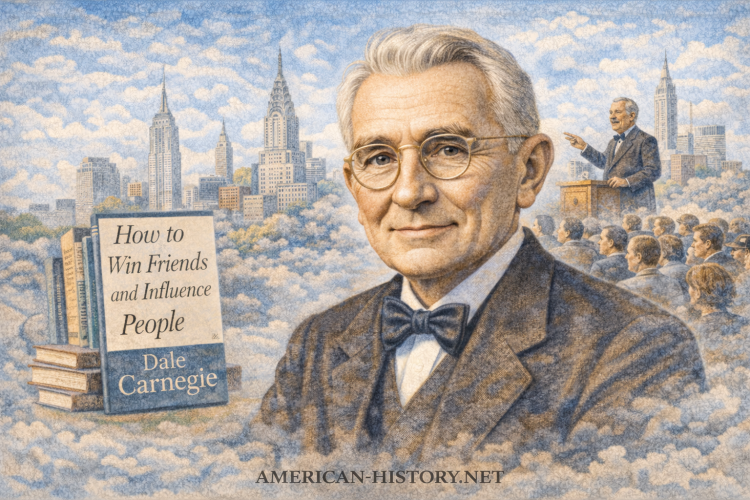
Dale Carnegie was an American writer and lecturer known for his work on self-improvement and communication. His book How to Win Friends and Influence People became one of the most widely read self-help books of the 20th century. Carnegie’s ideas influenced business training, public speaking, and personal development.
Walt Disney
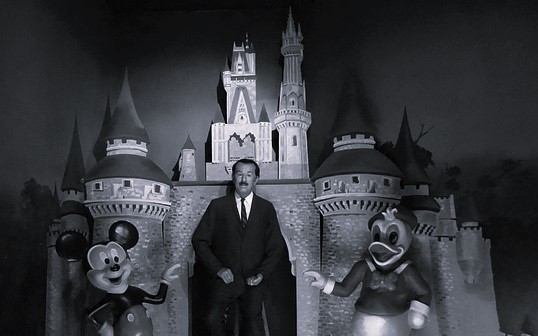
Walt Disney was an American film producer and entrepreneur who helped shape the animation industry. He played a major role in developing animated filmmaking techniques and creating widely recognized characters and films. Disney also founded Disneyland, contributing to the growth of themed entertainment and media branding in the United States.
Henry Ford
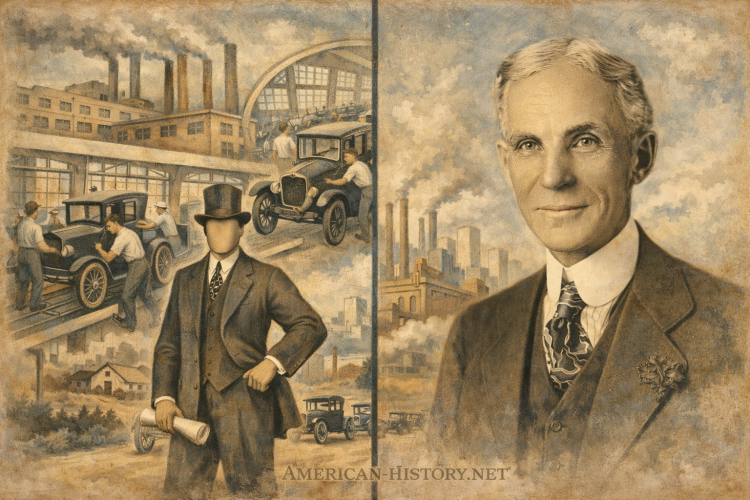
Henry Ford was an industrialist who founded the Ford Motor Company and helped revolutionize manufacturing. He is best known for refining assembly-line production, which made automobiles more affordable and transformed industrial labor. Ford’s methods influenced manufacturing practices across the world.
J. Edgar Hoover
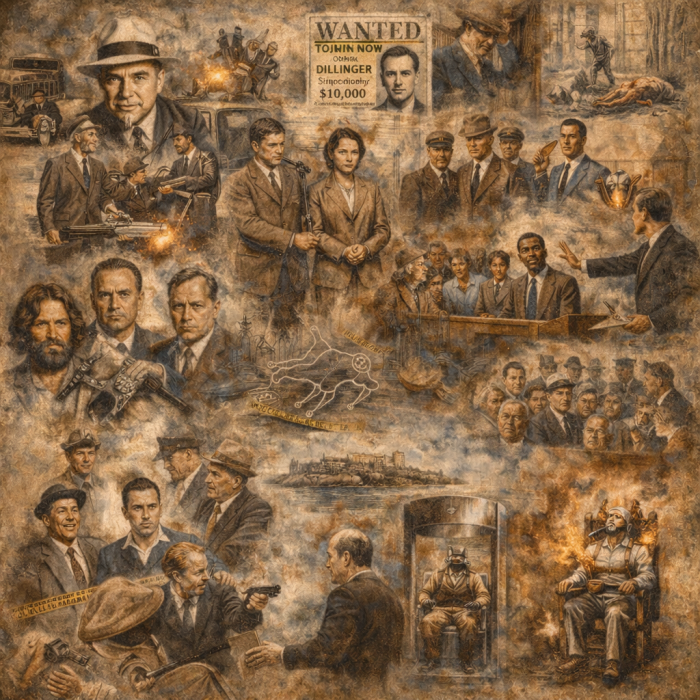
J. Edgar Hoover served as the first Director of the Federal Bureau of Investigation (FBI) and held the position for nearly five decades. He played a significant role in shaping federal law enforcement and expanding the FBI’s authority. Hoover remains a controversial figure due to allegations of political surveillance and abuse of power.
Ronald Reagan
Ronald Reagan served as the 40th President of the United States during the final decade of the Cold War. His presidency focused on economic reform, military expansion, and a strong stance against the Soviet Union. Reagan also played a role in diplomatic efforts that contributed to the easing of Cold War tensions in the late 1980s.