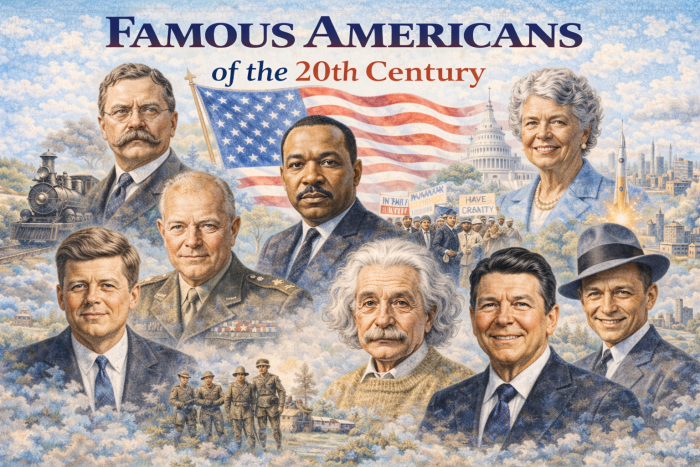
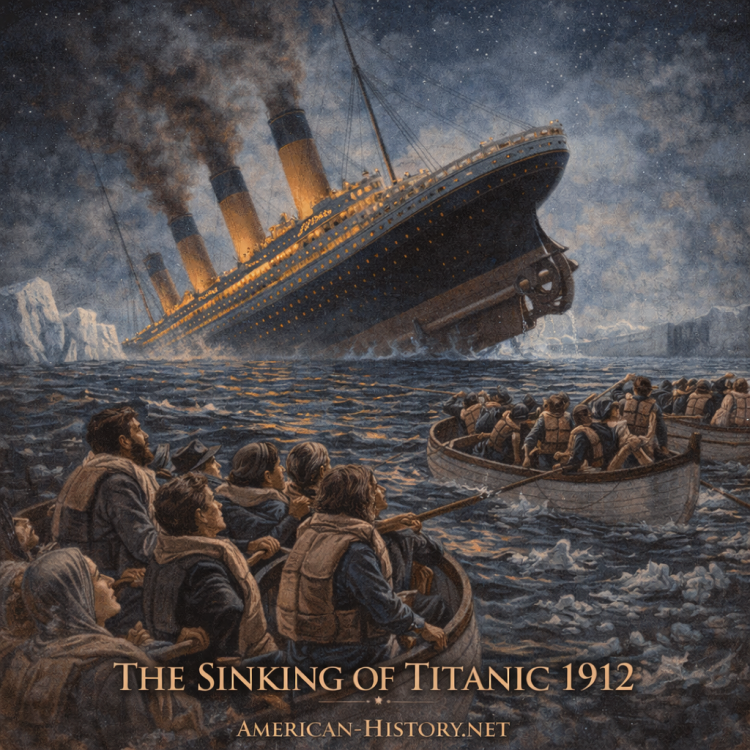



The 20th century was a period of profound transformation in the United States. Industrial growth, global conflict, economic upheaval, and social reform reshaped American society and permanently altered the nation’s role in the world.
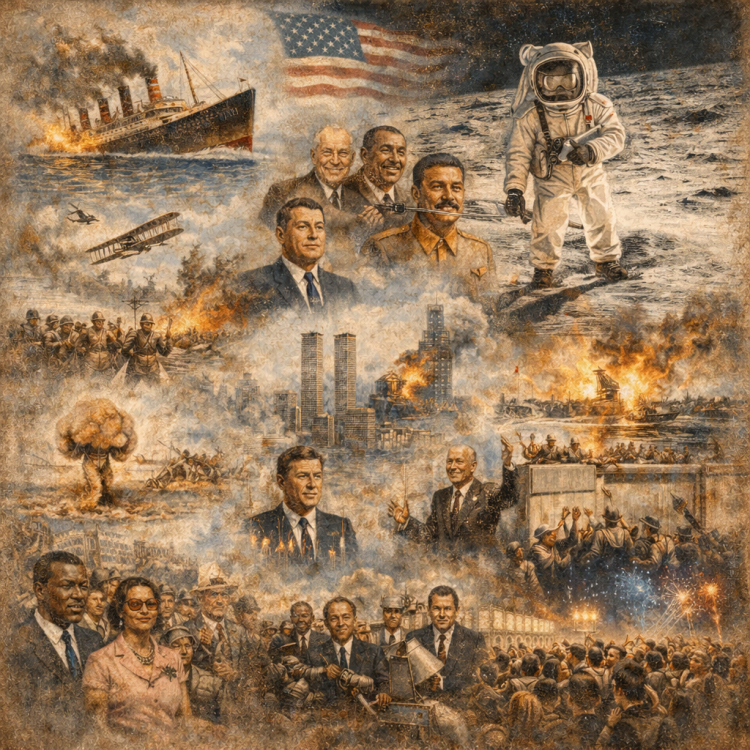
This page serves as a chronological orientation guide. It does not provide detailed coverage of each topic but highlights key turning points and directs readers to in-depth articles.
Early 20th-Century Transformations (1900–1916)
At the start of the century, the United States experienced rapid industrial expansion, urban growth, and technological innovation. New inventions and infrastructure reshaped daily life and laid the groundwork for America’s emergence as a modern industrial power.
Technological breakthroughs, including early aviation, symbolized the pace of change and the country’s growing emphasis on innovation and engineering.
World War I and Its Aftermath (1914–1921)
When World War I erupted in Europe in 1914, the United States initially remained neutral. In 1917, the nation entered the conflict, marking its first major military intervention overseas.
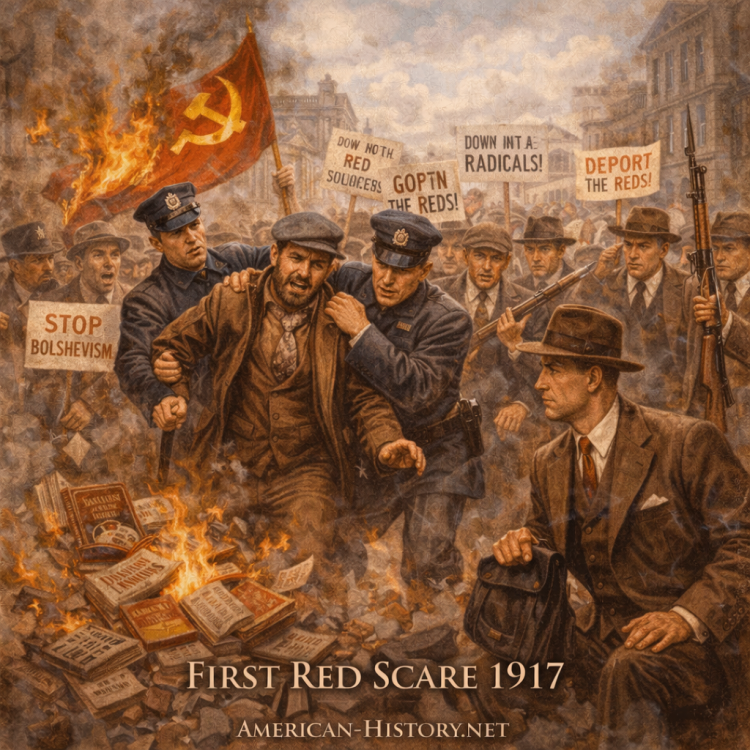
The war accelerated changes in American industry, government authority, and international engagement. Its aftermath also contributed to domestic political tension, labor unrest, and widespread fear of radical ideologies.
See also: 20th-Century American Wars, The First Red Scare
Progressive Era Reforms and Constitutional Change
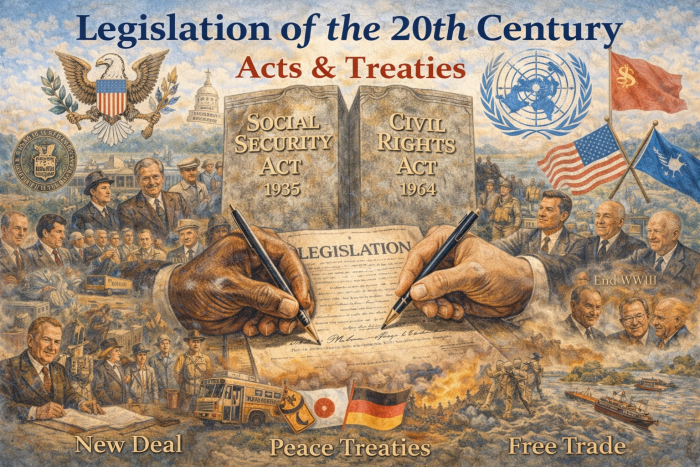
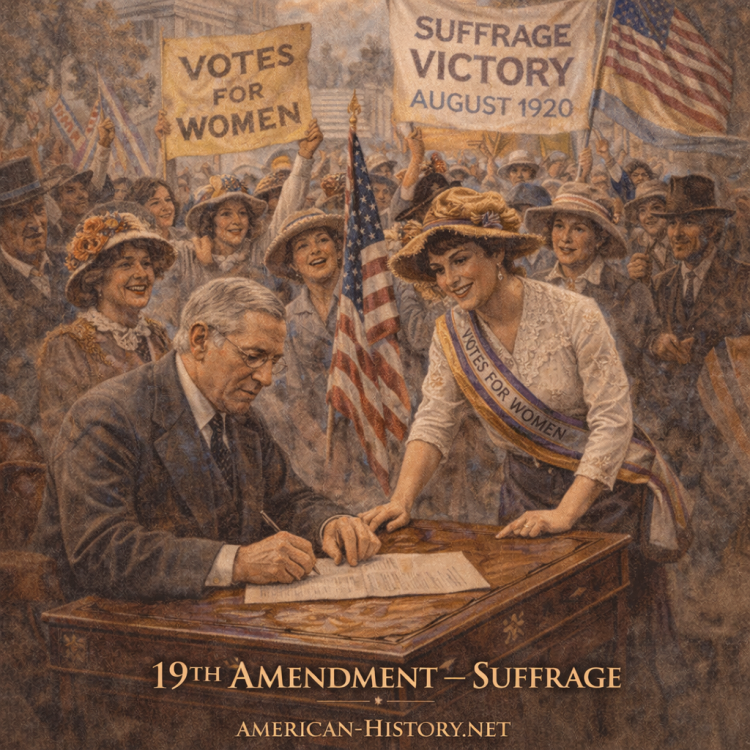
The early 20th century was defined by reform movements aimed at addressing the social and economic consequences of industrialization. These efforts led to major changes in labor policy, government regulation, and constitutional law.
Key reforms expanded democratic participation, redefined the role of the federal government, and reshaped American political life.
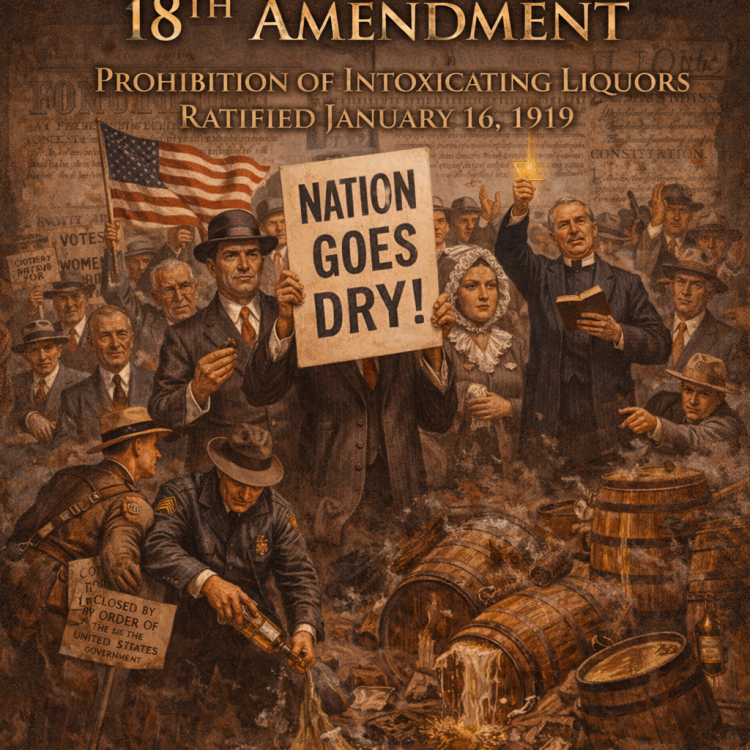
See also: 18th Amendment, 19th Amendment, Labor Conflicts in Early 20th-Century America
The Roaring Twenties and Prohibition
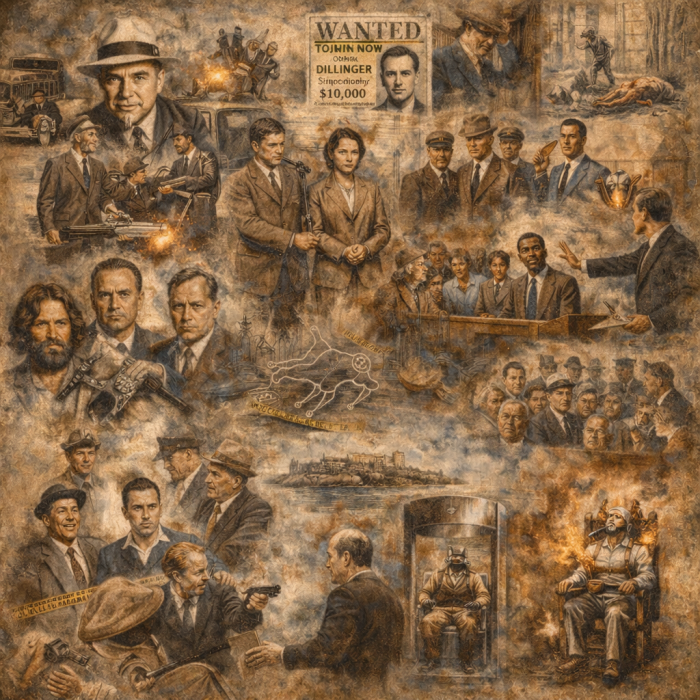
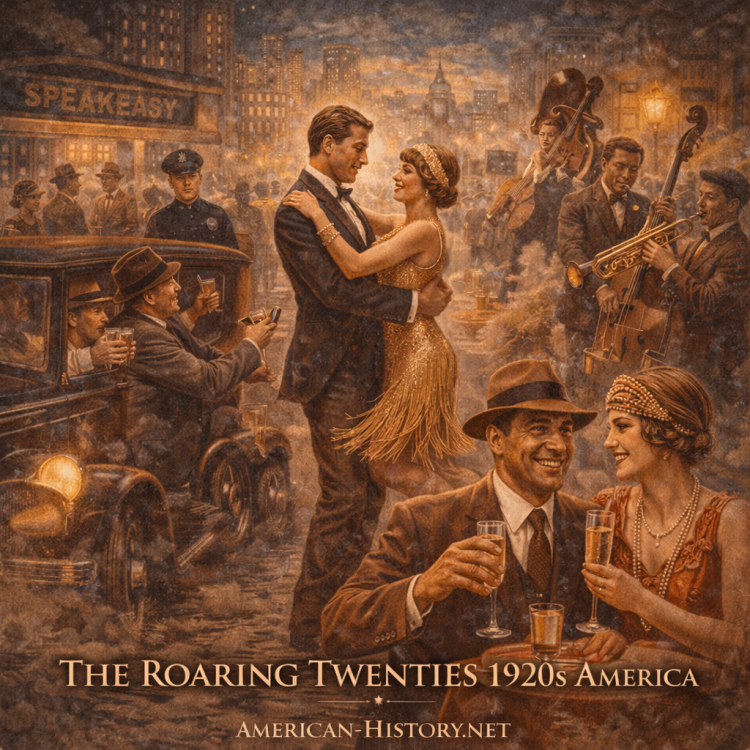
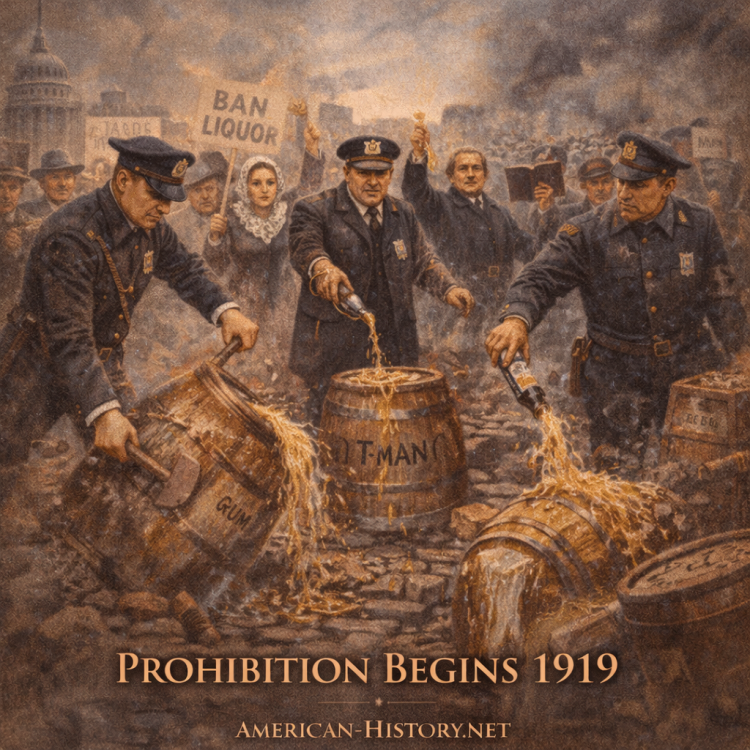
The 1920s brought economic growth, cultural change, and social tension. Urbanization, mass media, and consumer culture transformed American life, while Prohibition reshaped law enforcement and organized crime.
Although often remembered as a decade of prosperity, the period also exposed deep economic and social divides.
See also: The Roaring Twenties, Prohibition in the United States
The Great Depression (1929–1939)
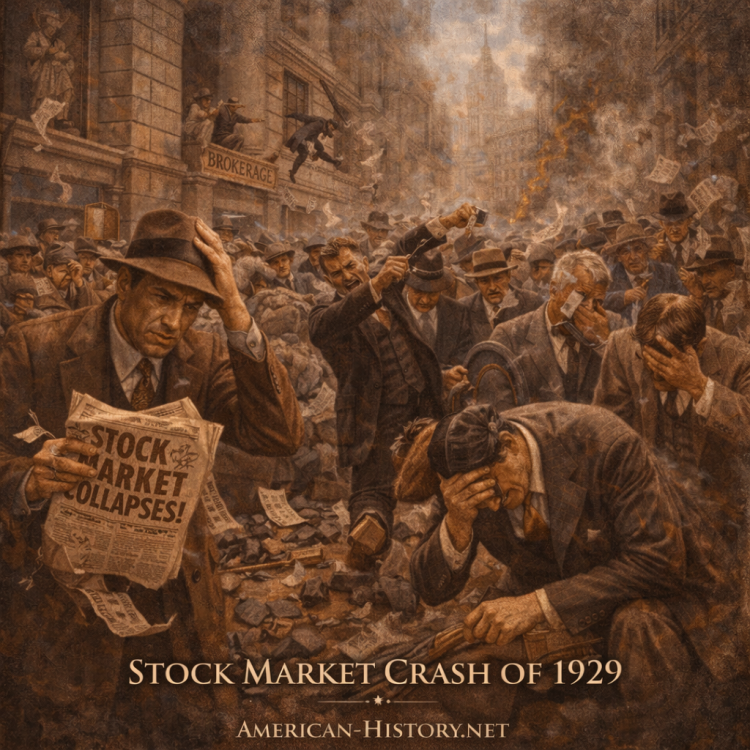
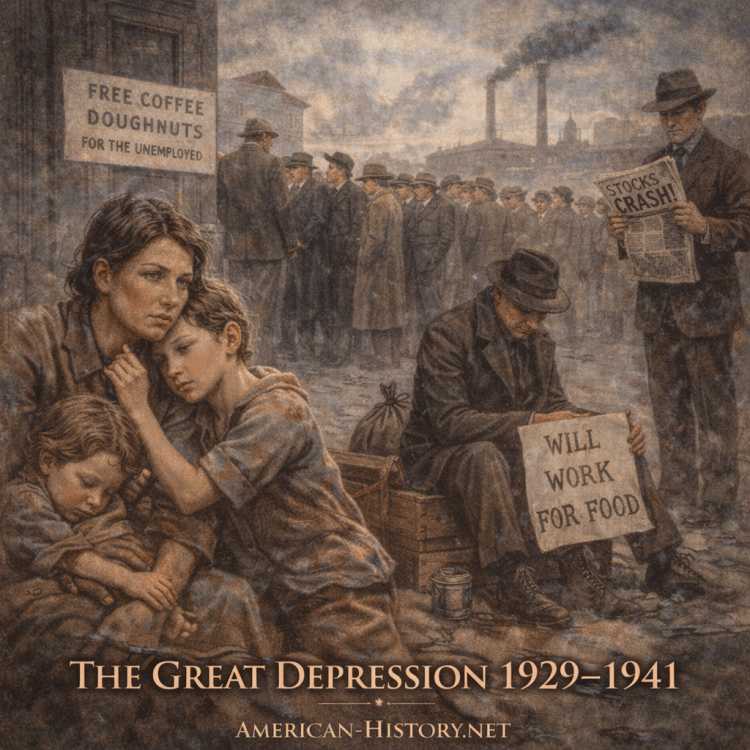
The Stock Market Crash of 1929 triggered the most severe economic crisis in American history. Widespread unemployment, bank failures, and industrial collapse defined the decade that followed.
The federal government expanded its role through relief programs and economic reforms, fundamentally altering the relationship between citizens and the state.
See also: The Great Depression, Stock Market Crash of 1929
World War II and America’s Rise as a Superpower (1939–1945)
World War II marked a decisive turning point for the United States. After entering the war in 1941, the nation mobilized its industrial and military resources on an unprecedented scale.
Victory in 1945 left the United States as one of the world’s dominant global powers, with lasting influence over international politics, economics, and security.
See also: The United States in World War II, Attack on Pearl Harbor
Cold War America and Global Conflict (1947–1991)
Following World War II, the United States entered a prolonged period of geopolitical rivalry with the Soviet Union known as the Cold War. This era was defined by ideological conflict, nuclear competition, and indirect military engagements.
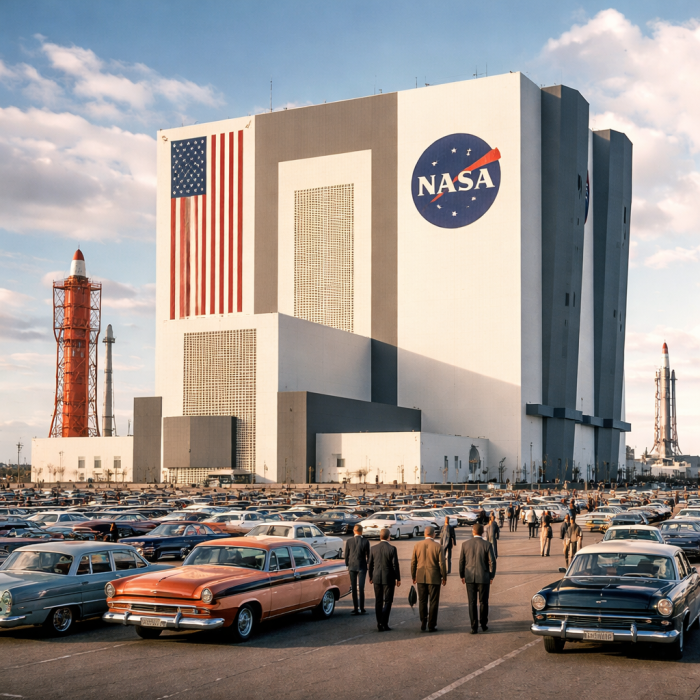
Technological competition, including the Space Race, became a central feature of U.S. foreign policy and national identity.
See also: The Cold War, Korean War, Vietnam War, Formation of NASA
Political and Social Change in the Late 20th Century
The latter half of the century saw significant political and cultural shifts. Civil rights activism, political reform, and social movements challenged established institutions and transformed American society.
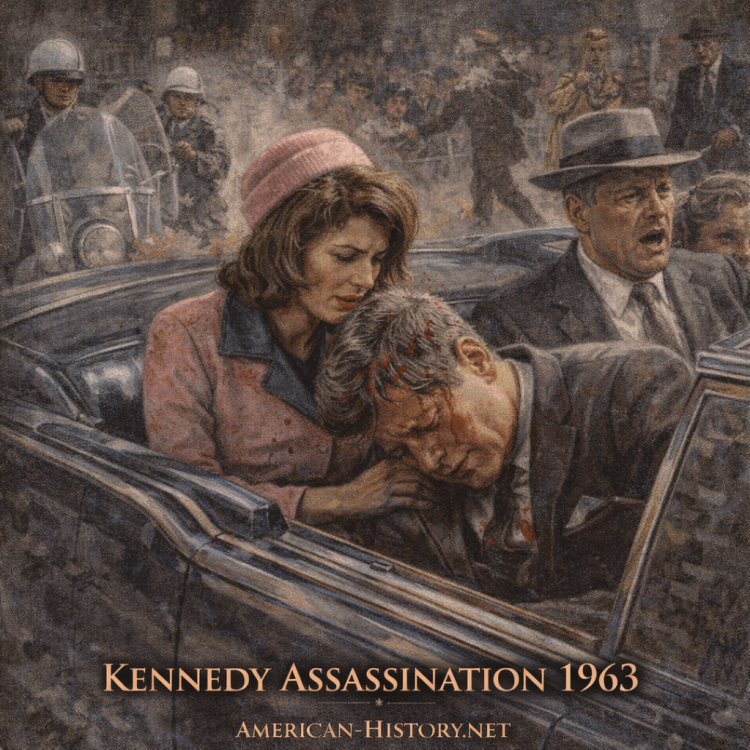
Events such as the assassination of President John F. Kennedy symbolized the uncertainty and tension of the era.
See also: Civil Rights Movement, Assassination of John F. Kennedy