The Reconstruction Era was a critical period in American history that followed the end of the American Civil War in 1865. The Southern states had been defeated, their economies shattered, and much of their infrastructure destroyed. Farms, railroads, cities, and governments across the South lay in ruins.
To address these conditions, the federal government launched a program to rebuild the South, restore it to the Union, and redefine the legal status of millions of formerly enslaved people. This period, known as Reconstruction, lasted from 1865 to 1877.
During Reconstruction, much of the South was placed under federal military occupation, and Congress passed sweeping new laws aimed at reshaping Southern society and protecting newly freed African Americans.
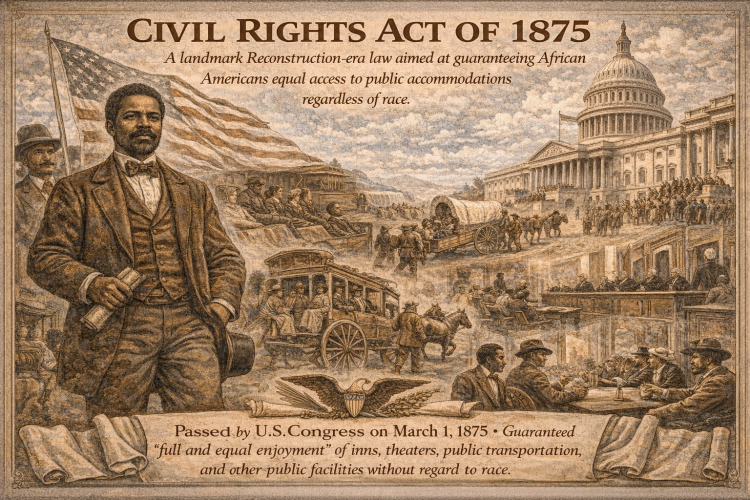
Note: This Reconstruction Era hub is being expanded. Currently available: Civil Rights Act of 1875 . Additional Reconstruction-era laws, policies, and events will be added over time.
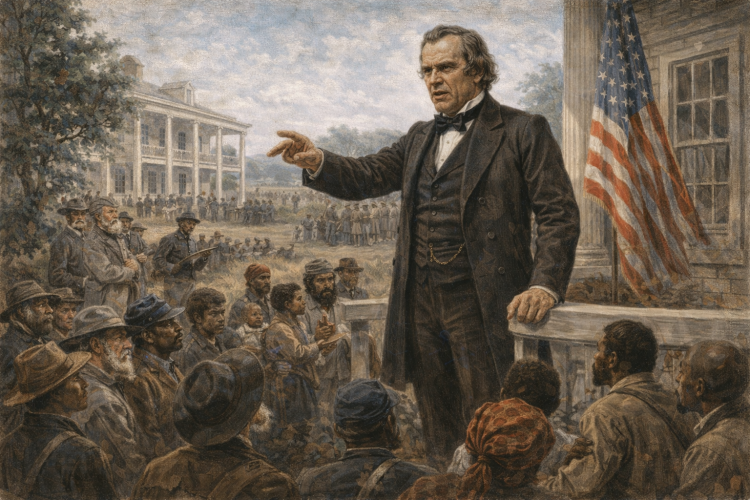
Abraham Lincoln and Reconstruction
President Abraham Lincoln believed that the nation could only heal if the South was reintegrated under lenient terms. His approach emphasized reconciliation rather than punishment.
Lincoln offered pardons to former Confederates who swore an oath of loyalty to the Union and did not imprison most Southern soldiers after their surrender. He also supported the idea that Southern states could rejoin the Union once they accepted the abolition of slavery.
However, before Lincoln could fully implement his Reconstruction plans, he was assassinated in April 1865 by a Confederate sympathizer. His death left Reconstruction policy unresolved and opened the door to political conflict over the future of the South.
Reconstruction Under Andrew Johnson
Following the assassination of Abraham Lincoln in 1865, Andrew Johnson assumed the presidency and directed the early phase of Reconstruction. His approach focused on quickly restoring the former Confederate states to the Union.
Tennessee was the first Southern state to rejoin in 1866, setting a precedent for others to follow in the years that followed.
Key Outcomes of Johnson’s Reconstruction
- Former Confederate states gradually rejoined the Union
- Federal support helped rebuild roads, farms, and cities
- Southern economies began recovering from wartime destruction
- By 1870, all Southern states were formally readmitted
- Federal troops withdrew in 1877, ending Reconstruction
Slavery, Freedom, and Civil Rights
The central issue of Reconstruction was the status of formerly enslaved African Americans. In response, Congress passed several constitutional amendments and laws to secure civil rights:
- The 13th Amendment abolished slavery
- The 14th Amendment granted citizenship and equal protection under the law
- The 15th Amendment protected voting rights regardless of race
During this period, African Americans voted, held public office, and participated in Southern governments for the first time in U.S. history.
However, when federal troops were withdrawn from the South in 1877, many Southern states reversed these gains. Through Jim Crow laws, voter suppression, and segregation, African Americans were systematically stripped of many of the rights gained during Reconstruction.
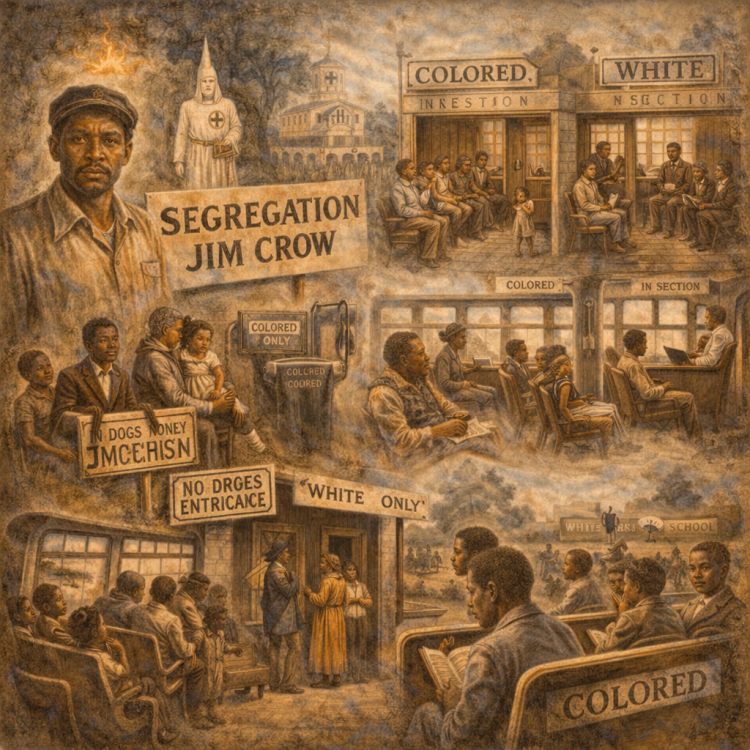
The End of Reconstruction
The Reconstruction Era officially ended in 1877, when federal troops were removed from Southern states as part of a political compromise. Control of state governments returned fully to Southern leaders.
Although Reconstruction succeeded in preserving the Union and ending slavery, it failed to secure long-term equality for African Americans. Its unresolved conflicts would shape American politics, race relations, and civil rights struggles for generations.
Articles Under Construction
This Reconstruction Era hub will continue to expand with in-depth articles covering the laws, policies, and events that reshaped the United States after the Civil War. The following topics are planned additions:
- Reconstruction Acts of 1867
- Freedmen’s Bureau and Its Role
- 13th, 14th, and 15th Amendments Explained
- Black Codes and Southern Resistance
- Impeachment of Andrew Johnson
- Compromise of 1877 and the End of Reconstruction
- Rise of Jim Crow Laws
- Reconstruction Governments in the South