
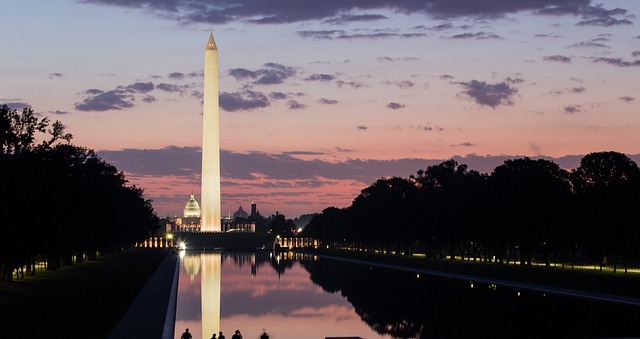

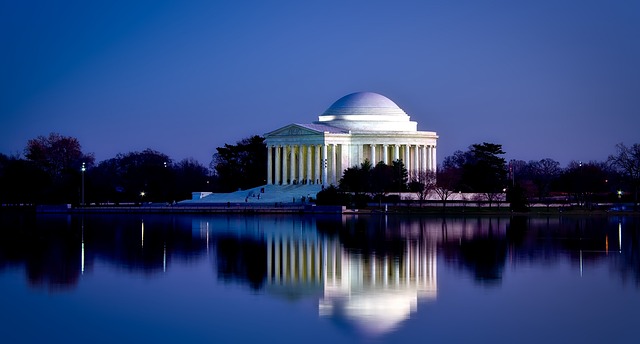
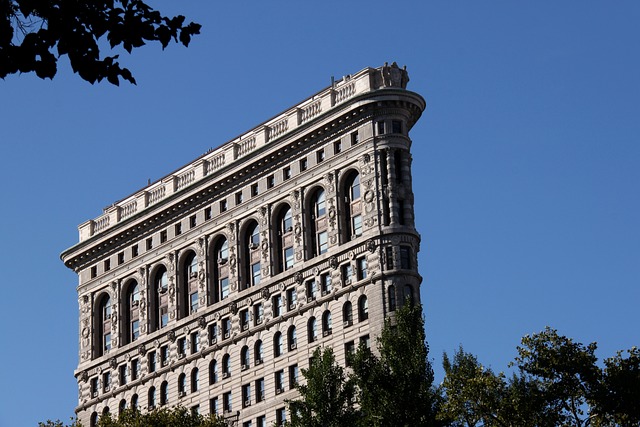
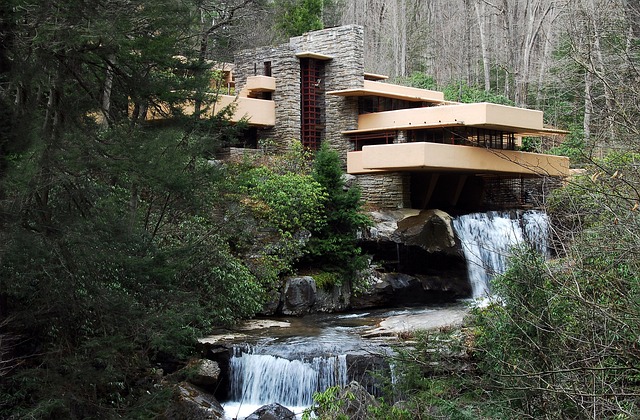


The United States is home to some of the world’s most iconic buildings, landmarks, and architectural achievements, each representing a defining moment in the nation’s history. From record-breaking skyscrapers that symbolize economic ambition to government buildings that embody democracy, and from powerful memorials and statues to historic religious landmarks, American architecture tells the story of a nation shaped by innovation, conflict, and ideals. This hub page serves as a comprehensive guide to the most famous American buildings, grouping them by type and significance, with historical context, architectural insight, and links to deeper explorations of each landmark.
Explore This Page
Discover America’s most iconic buildings, landmarks, memorials, and architectural achievements. Use the sections below to jump directly to the topics that interest you.
🏙️ Famous Skyscrapers
🗽 Statues & Memorials
🏛️ Government Buildings
⛪ Religious Architecture
Famous American Buildings and Iconic American Architecture List
Empire State Building
The Most Famous Skyscraper in the World?
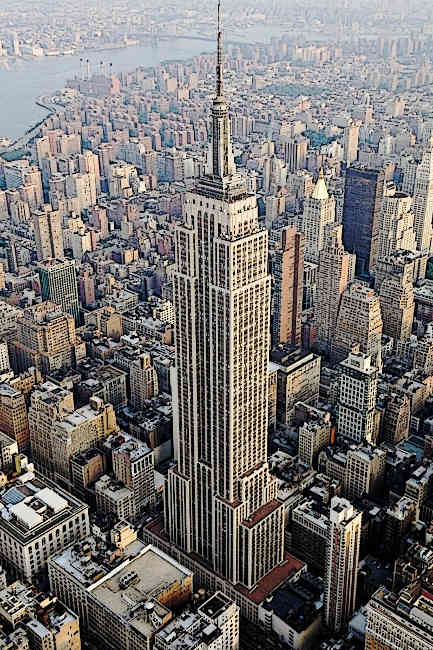
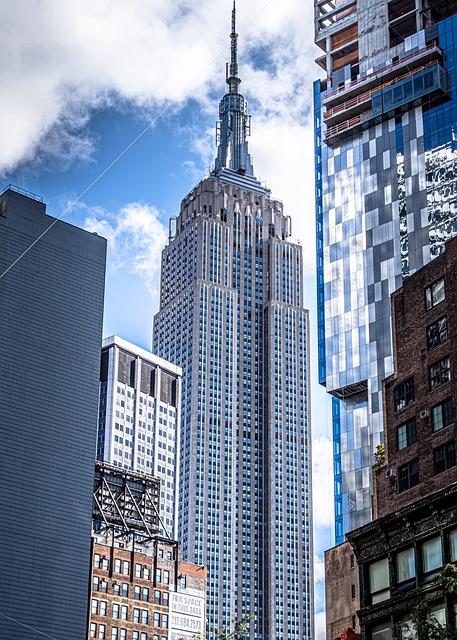
The Empire State Building is a famous American Skyscraper that is so well-known that it is almost synonymous with United States itself. This Iconic American building is also an embodiment of the capitalist spirit of the country.

This famous American building stands 102 stories tall with a spire at the top. The height of the building’s architecture is 381 meters. Together with the spire, it stands 443 meters tall.
The Empire State Building was the tallest building in the world when it was completed.
It kept this distinction for 40 years until the 1970s. It currently remains the 5th tallest building in the United States and the 28th tallest in the world and is a Famous American Landmark known throughout the world.
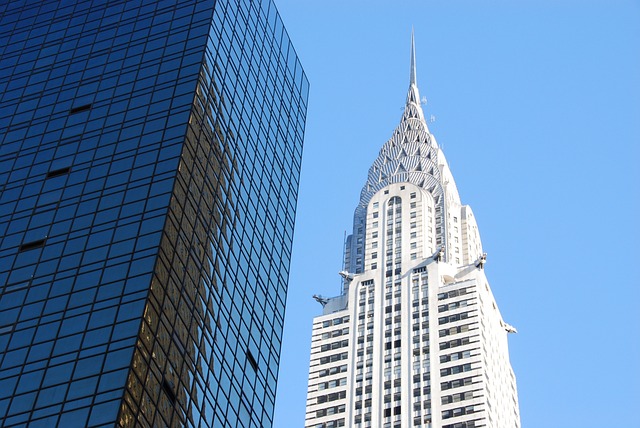
Chrysler Building – Iconic Art Deco Skyscraper
The Chrysler Building is located not far from the Empire State Building and belongs to the same period. It was completed in 1931 and constructed at a time when there was widespread economic optimism in the country.
The building features a stunning art-deco exterior with an iconic brick finish.
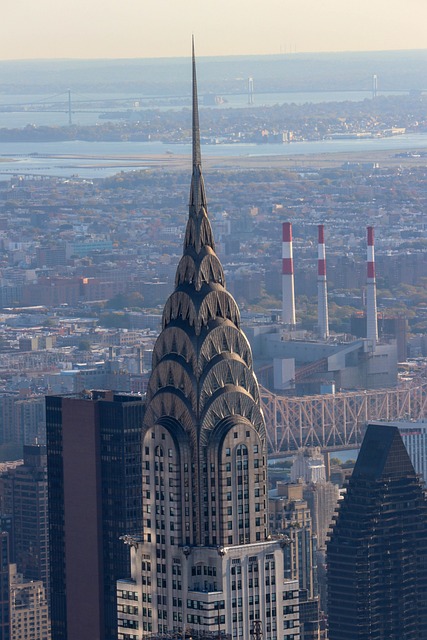
It was the tallest building in the world at the time of completion but was soon superseded by the Empire State Building. It still remains the tallest brick building in the world. The building stands 77 stories tall and has a height of 319 meters including its antenna.
It is included in the U.S. National Register of Historical Places.
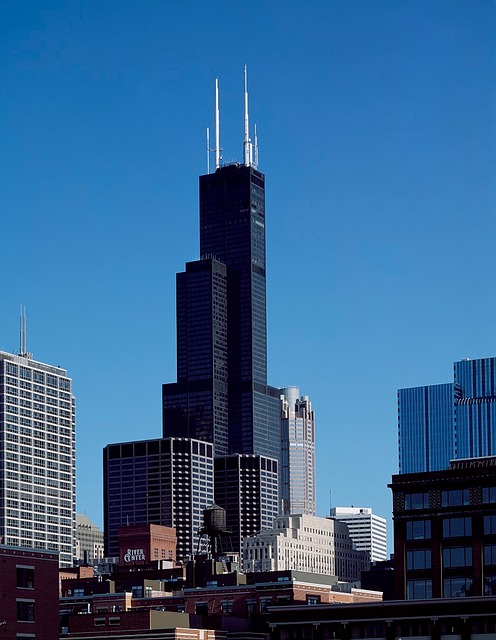
Willis Tower – Tallest American Skyscraper?
Willis Tower is another Famous American Skyscraper among the tallest skyscrapers in the United States.
It is located in Chicago and was completed in 1973. The building stands 110 floors tall and has an architectural height of 442 meters. Together with the spires at the top, the building has a height of 442 meters.
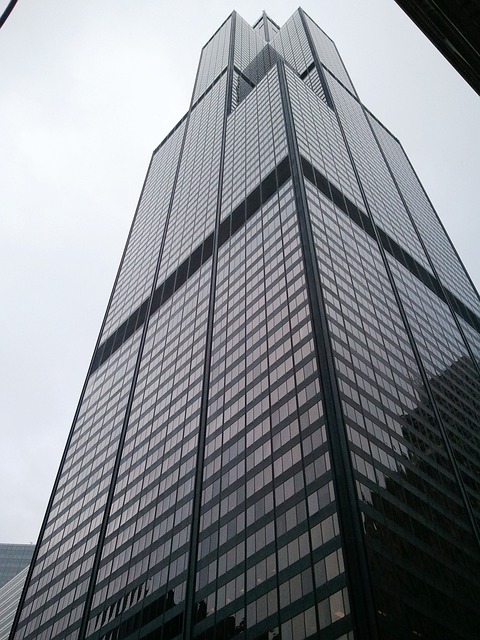
Willis Tower became the tallest building in the world when it was completed in 1973. It held this title for the next 25 years. Today, it is the second-tallest building in United States and the 16th tallest in the world.
Another name for the building is the Sears Tower.
One World Trade Center

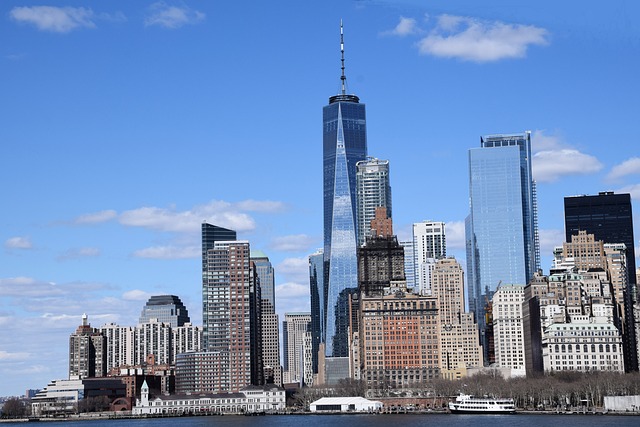
The One World Trade Center is the tallest building in the United States and the sixth-tallest in the world.
This famous American building was completed in 2014 and stands on the site of the original One WTC building, which was destroyed in the 2001 terrorist attacks.
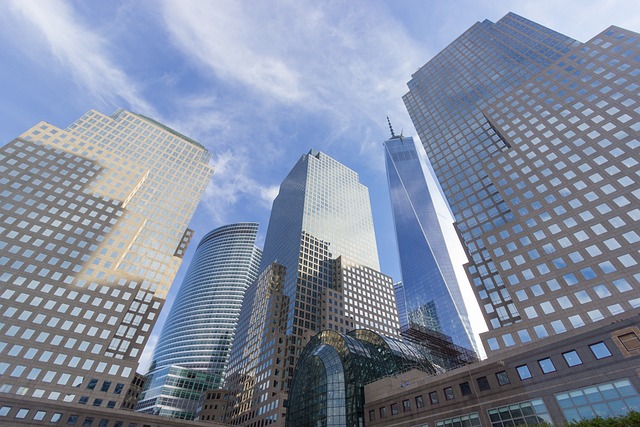
The new One WTC stands 94 floors tall. It has an architectural height of 541 meters. Together with its tip, the building stands 546 meters tall.
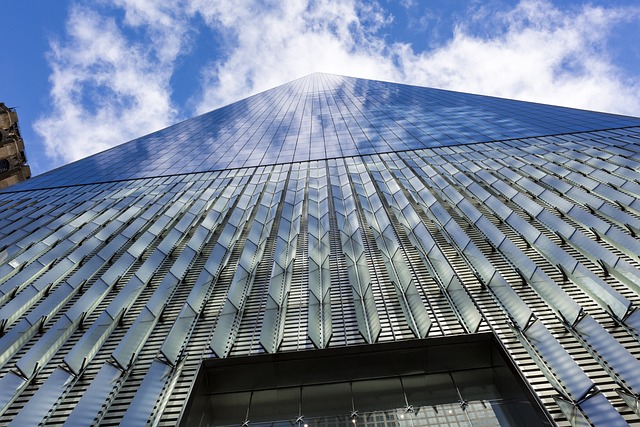
One WTC features modern architectural styles with six sloping triangles in contrasting positions. It has also been called the ‘Freedom Tower’.
Famous American Statues and Memorials
Statue of Liberty – Most Famous Statue in the World?
The Statue of Liberty has remained an enduring icon of American principles of liberty, even since it was erected in the 19th century.
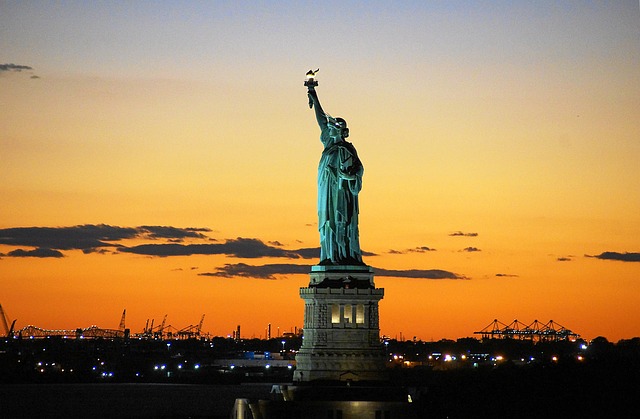
The iconic structure stands tall on the Liberty Island in the Manhattan region of New York City.
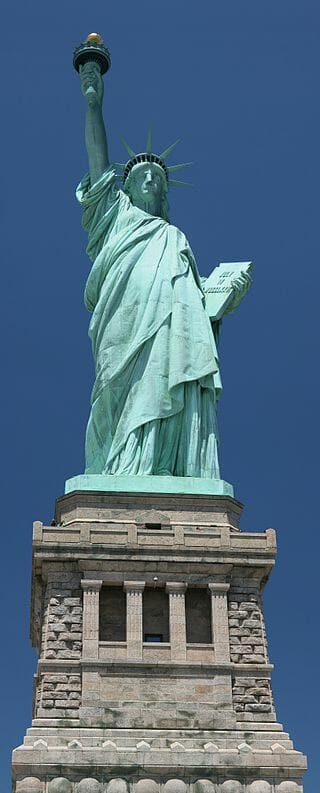
It features the Roman liberty goddess, robed and holding a torch signifying freedom. The statue was a gift from France to the United States. It was sculpted by Frederic Auguste Bartholdi.
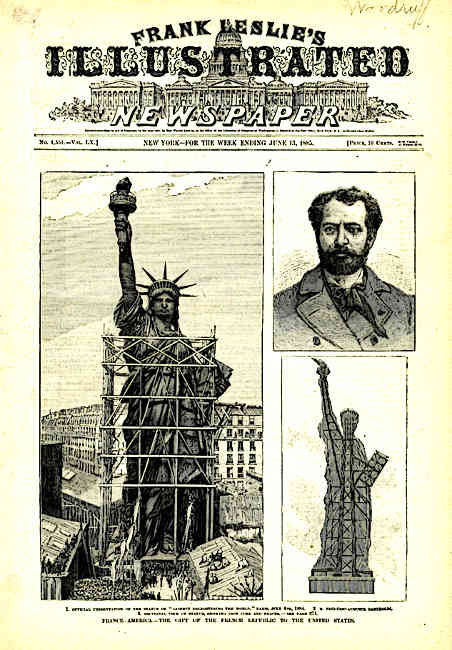
Constructed mostly from copper, the statue today features a well-recognized green patina. It stands 46 meters tall – together with the pedestal its topmost end is 93 meters above ground level.
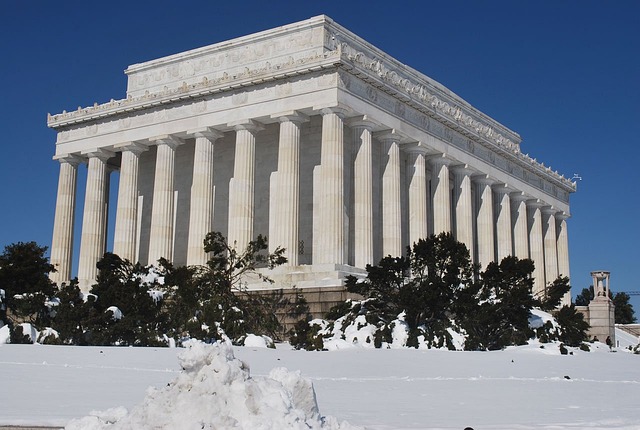
Lincoln Memorial
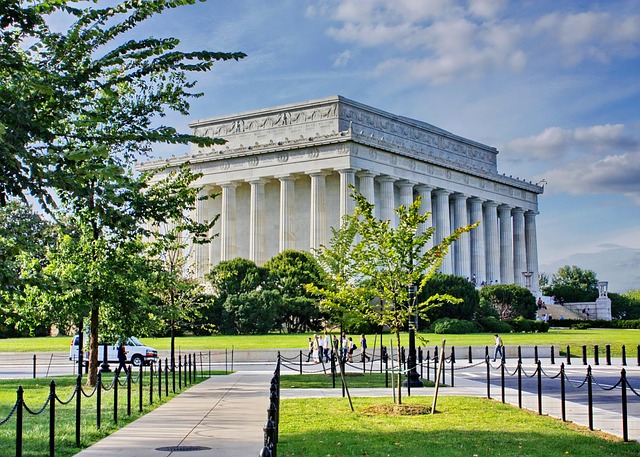
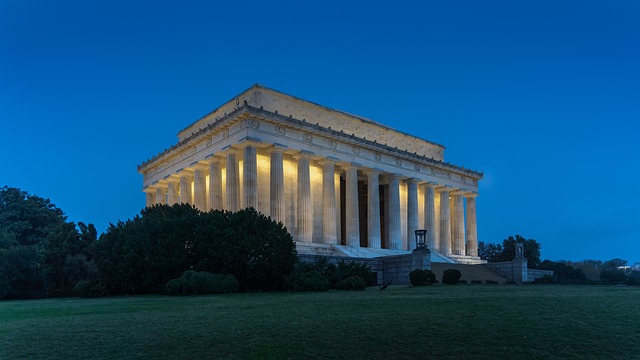
The Lincoln Memorial, as the name suggests, is a memorial dedicated to one of the most defining presidents and personalities in American history – Abraham Lincoln.
The memorial has stunning architecture, with 36 Greek-style Doric columns – each column denotes a Union state that Lincoln led during the American Civil War.
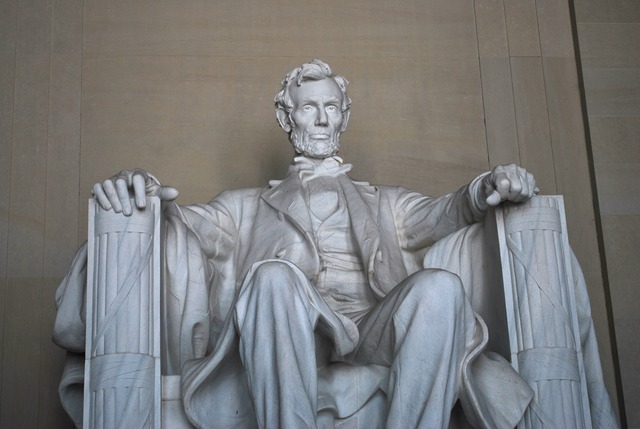
The main attraction of this famous American Memorial is the huge statue of Lincoln, sitting with a very calm repose.
The building and the statue are a throwback to the ancient Greek temples which housed huge statues of Greek gods and goddesses.
Famous American Government Buildings
United States Capitol
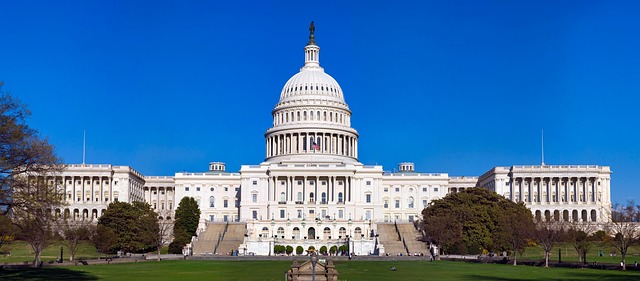
The United States Capitol is one of the most Iconic Buildings and one of the most recognizable structures in America. Located in the capital city of Washington D.C., the Capitol is the seat of the U.S. Congress.
Construction of the original Capitol Building began as early as the late 18th century and the initial structure was complete by 1800.
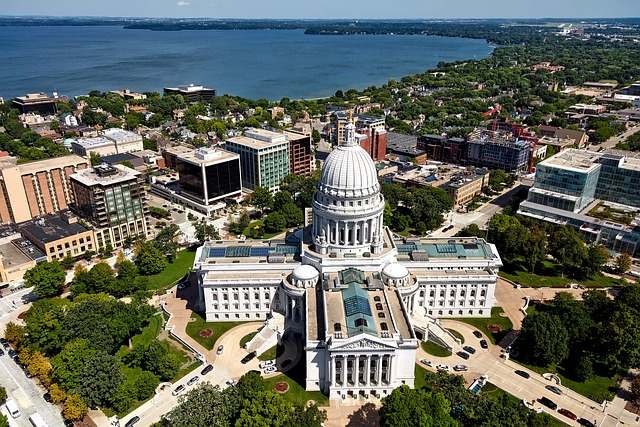
It underwent significant changes later to become the white-domed icon that it is today. The building has magnificent neoclassical architecture with two distinct faces and expansive wings on each side. The interior of the building features stunning pieces of art signifying American history and culture.
The White House
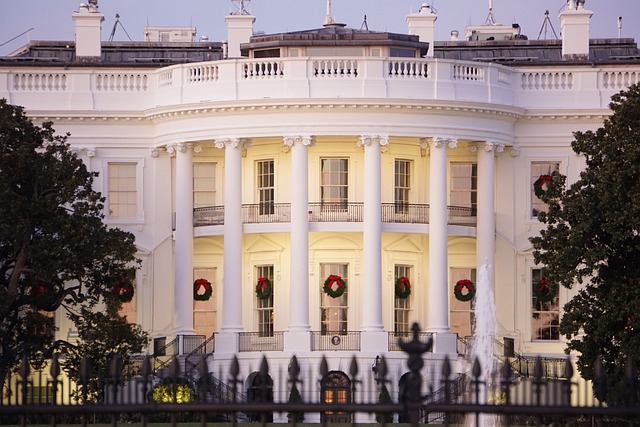
The seat of the American President, the White House is almost synonymous with the American government itself. Plans for a presidential palace began soon after American independence and by 1800, the original White House building was almost complete.
John Adams was the first American president to take up residence in the building.
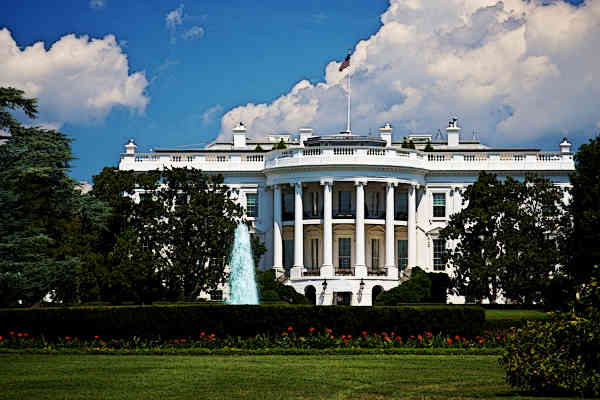
The famous American building has neoclassical architecture with northern and southern facades. The northern façade has a columned portico while the southern façade has a semi-circular portico.
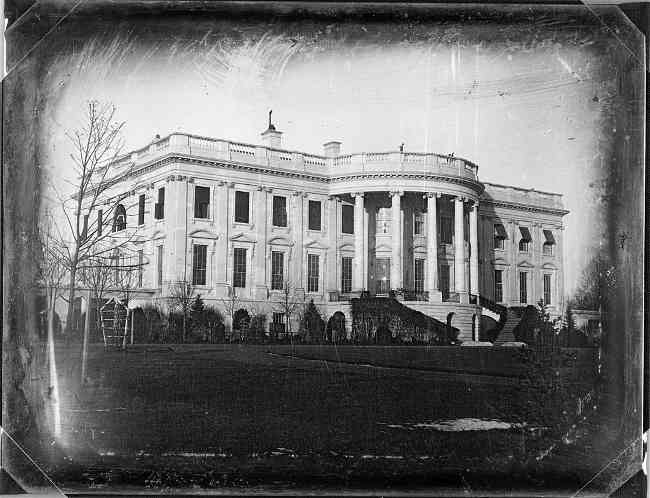
The White House has undergone numerous renovations and expansions over the course of its history. Most notable among these was the restoration work done by Jacqueline Kennedy, the wife of President of John F. Kennedy.
Famous Cathedrals and Churches
Washington National Cathedral
The Washington National Cathedral is the second-largest cathedral in the United States. It is built in a Neo-Gothic style inspired by the medieval European churches of the 14th century.
Construction on the iconic cathedral building began as early as 1907 and continued in some form for nearly 90 years.
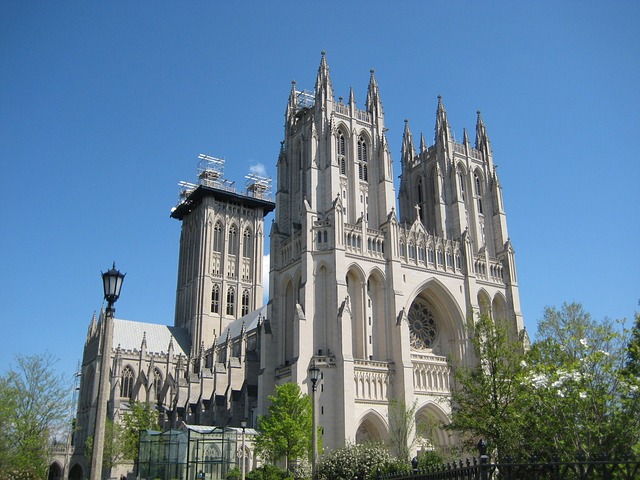
The church has come to be identified with the American nation and is frequently the site of important state funerals.
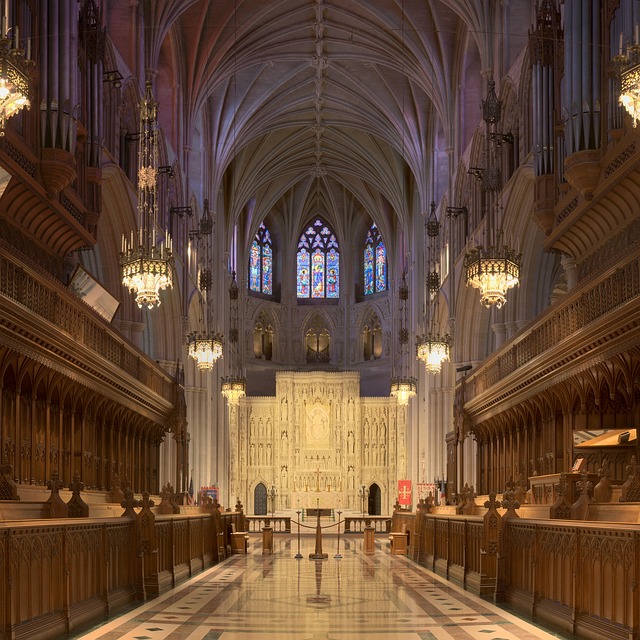
The architecture of the cathedral itself has numerous classic features like flying buttresses, arched vaults, stained-glass windows, towers, pointed arches and stone carvings.
❓ Iconic American Buildings — Frequently Asked Questions
What makes a building “iconic” in the United States?
A building becomes iconic when it is widely recognized and represents more than architecture alone. Iconic buildings often reflect national identity, engineering breakthroughs, or major historical moments—like the U.S. Capitol symbolizing democracy or One World Trade Center symbolizing renewal.
Why are skyscrapers so important to American architecture?
Skyscrapers grew out of American urban expansion and new technologies like steel-frame construction and elevators. Buildings such as the Empire State Building and Willis Tower became symbols of economic ambition and modern engineering.
What’s the difference between a landmark and a historic place?
A landmark is a place widely recognized for its importance or visibility—often a cultural symbol. A historic place is typically recognized for its documented significance and may be listed on official registers. Many sites are both, like the Chrysler Building and the White House.
Why do memorials matter in American architecture?
Memorials are designed to communicate public memory through space, symbolism, and scale. The Lincoln Memorial, for example, blends classical design with national ideals like unity and liberty. These spaces are built for reflection and civic meaning, not only aesthetics.
Can people visit these iconic buildings?
Many iconic buildings are open to visitors via guided tours, museums, or observation decks. Some government buildings have limited access for security reasons, but most can be experienced at least from the exterior—often with interpretive signage or nearby exhibits.
Which architectural styles appear most often on this page?
You’ll see several major styles: Art Deco (Chrysler Building), Neoclassical (U.S. Capitol, White House), Neo-Gothic (Washington National Cathedral), and modern high-rise design (One World Trade Center). Together they show how U.S. architecture changes across centuries.
🧠 Iconic American Buildings — Knowledge Quiz
Answer the questions, then click Submit. The correct answer turns green. If you choose the wrong option, your selection turns red.
📚 Glossary: Iconic Buildings & American Architecture
Key terms to understand American landmarks, architectural styles, and how buildings become part of the nation’s shared story.
Iconic Landmark
A place widely recognized as a symbol of a city or nation—important for its visibility, meaning, or cultural impact.
Skyscraper
A very tall multi-story building made possible by steel frames and elevators, closely linked to American urban growth.
Art Deco
A style known for bold geometry and decorative detail, popular in the 1920s–30s (example: Chrysler Building).
Neoclassical
Architecture inspired by ancient Greece and Rome—columns, symmetry, and civic grandeur (example: U.S. Capitol).
Neo-Gothic
A revival style featuring pointed arches and stained glass, echoing medieval cathedrals (example: Washington National Cathedral).
Memorial
A structure created to honor people or events and support public remembrance (example: Lincoln Memorial).
Observation Deck
A public viewing level on a tall building designed for visitors to see the skyline and city plan from above.
Historic Register
An official listing recognizing a property’s historical significance—often tied to preservation and protected status.