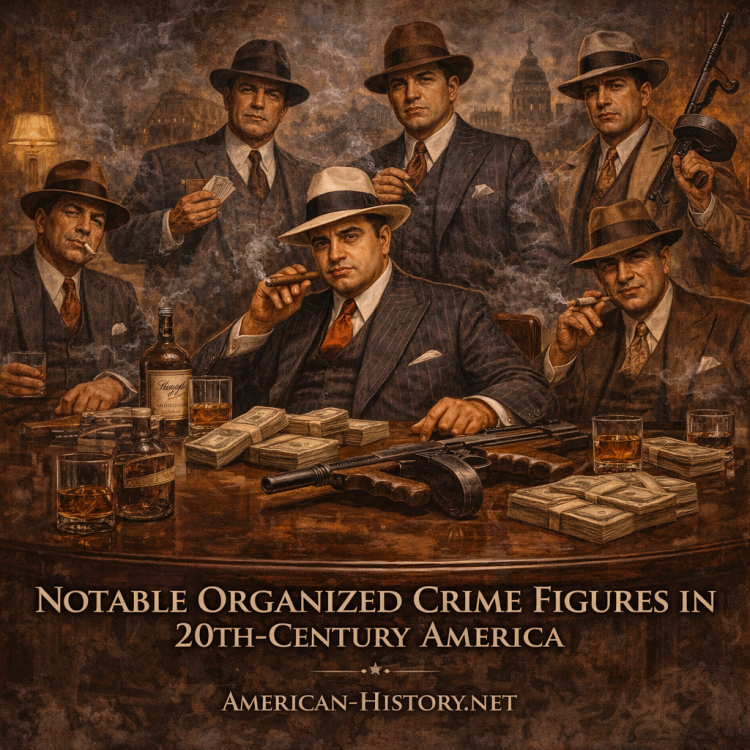
The 20th century brought profound changes to crime, law enforcement, and punishment in the United States. Rapid urbanization, economic upheaval, global conflict, and social transformation reshaped both criminal activity and the institutions created to control it.
Across the century, debates over law and order, racial justice, state power, and punishment revealed deep tensions within American society. By the year 2000, the United States had developed one of the largest prison populations in the world, reflecting decades of shifting policies and priorities.
Early 20th-Century Crime and Policing
At the start of the century, crime control was largely local and fragmented. Police departments varied widely in professionalism, training, and resources, while federal involvement in crime was minimal.
Law enforcement during this period was often shaped by:
- Limited investigative tools and forensic methods
- Widespread corruption in some urban police forces
- Harsh punishments and uneven legal standards
- Racially unequal enforcement of laws
Reform movements during the Progressive Era sought to professionalize policing and introduce modern criminology, laying the foundations of contemporary law enforcement.
Prohibition and Organized Crime (1920–1933)
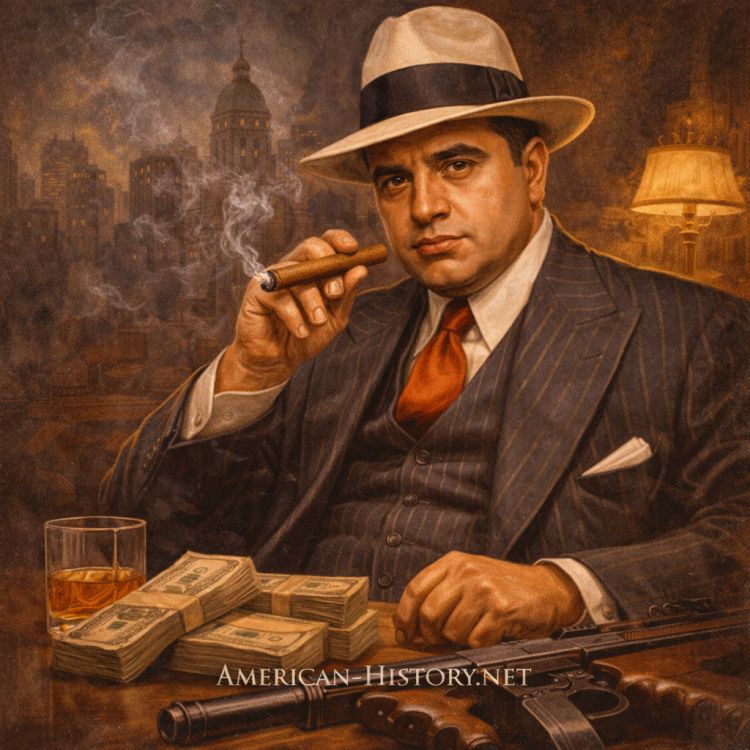
The enactment of the 18th Amendment and the Volstead Act outlawed alcohol nationwide, unintentionally transforming American crime. Rather than eliminating illegal behavior, Prohibition created vast black markets and strengthened organized criminal networks.
This period saw:
- The expansion of bootlegging and speakeasies
- The rise of national criminal syndicates
- Widespread corruption among police and politicians
- Increased public awareness of organized crime
Prohibition demonstrated how federal policy could reshape criminal behavior on a national scale, and its repeal in 1933 marked a major turning point in American law enforcement.
Crime During the Great Depression
The economic collapse of the 1930s intensified both economic desperation and public fascination with crime. Bank robberies and high-profile outlaws captured national attention, while crime increasingly crossed state boundaries.
Key developments included:
- Growth of interstate criminal activity
- Expansion of the Federal Bureau of Investigation
- New federal laws targeting kidnapping, bank robbery, and organized crime
During this era, crime became a national issue, prompting a stronger federal role in policing and criminal justice.
Race, Justice, and Inequality
Throughout the 20th century, crime and punishment were deeply shaped by race and inequality. African Americans and other minority groups frequently faced unequal policing, harsher sentencing, and exclusion from legal protections.
This legacy included:
- Lynching and extrajudicial violence in the early decades
- Jim Crow laws that criminalized everyday behavior
- Systemic racial bias in arrests, trials, and punishment
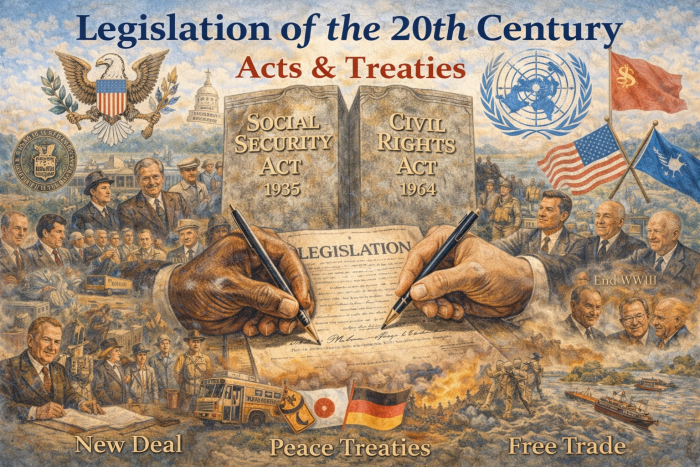
The Civil Rights Movement exposed these injustices and led to important legal reforms, though disparities within the justice system persisted.
Crime, Fear, and the Postwar Era
After World War II, rising urban crime rates and changing social conditions fueled public concern about safety and order. Media coverage increasingly portrayed crime as a national crisis, shaping public perception and political debate.
This period saw:
- Expansion of police forces and surveillance
- Harsher sentencing policies
- Development of juvenile justice systems
- Growing federal involvement in crime control
By the 1960s and 1970s, crime had become a central issue in American politics.
The War on Crime and the War on Drugs
Beginning in the mid-20th century, U.S. policy shifted toward more punitive approaches to crime. Federal initiatives emphasized deterrence, enforcement, and long prison sentences.
Major policy changes included:
- Mandatory minimum sentencing
- “Three strikes” laws
- Aggressive drug enforcement strategies
- Militarization of policing
The War on Drugs dramatically increased incarceration rates and disproportionately affected minority communities, reshaping the criminal justice system for decades.
Capital Punishment and the Death Penalty
Debates over capital punishment intensified during the 20th century. Public executions ended, and the death penalty was briefly halted nationwide in the 1970s before resuming under revised legal standards.
Throughout the century, the death penalty remained controversial due to:
- Racial disparities in sentencing
- Legal and constitutional challenges
- Ethical opposition to state executions
By century’s end, capital punishment continued to divide public opinion.
Mass Incarceration and Its Consequences
By 2000, the United States incarcerated more people than any other nation. This expansion resulted from decades of policy decisions emphasizing punishment over rehabilitation.
Contributing factors included:
- Tough-on-crime legislation
- Drug sentencing laws
- Reduced parole opportunities
- Growth of private prisons
Mass incarceration reshaped communities, families, and economic systems, prompting renewed calls for reform.
Legacy of Crime and Punishment in the 20th Century
The history of crime and punishment in 20th-century America reflects broader struggles over power, justice, race, and fear. Many laws and institutions created during this period continue to influence policing, incarceration, and public debate today.
Understanding this history is essential to understanding the modern American criminal justice system.
- Al Capone (rewrite in progress)
- Organized crime figures
- Prohibition-era crime
- FBI expansion
- Capital punishment and the death penalty
- War on Drugs
- Lynching and racial justice (where relevant)