
African American history is central to the story of the United States. From the arrival of enslaved Africans in the early colonial period, through slavery, emancipation, Reconstruction, and the long struggle against segregation and racial discrimination, African Americans have shaped the nation’s economy, culture, politics, and moral conscience. Their history is defined not only by oppression, but by resilience, community, faith, and sustained efforts to secure freedom, citizenship, and civil rights in the face of systemic injustice.
🔍 Explore Key Themes — African American History
Click each topic to reveal how major forces shaped African American life, identity, and resistance across U.S. history.
Enslavement and Forced Labor
Millions of Africans were forcibly transported to the Americas and enslaved. Their labor powered colonial economies and built enormous wealth while denying basic human rights.
African American Culture and Religion
Enslaved and free Black communities preserved African traditions through music, storytelling, and the Black church, which became a center for faith, education, and resistance.
Resistance and Abolition
African Americans resisted slavery through everyday defiance, escape, organized rebellion, and leadership within the Abolitionist Movement and the Underground Railroad.
Emancipation and Reconstruction
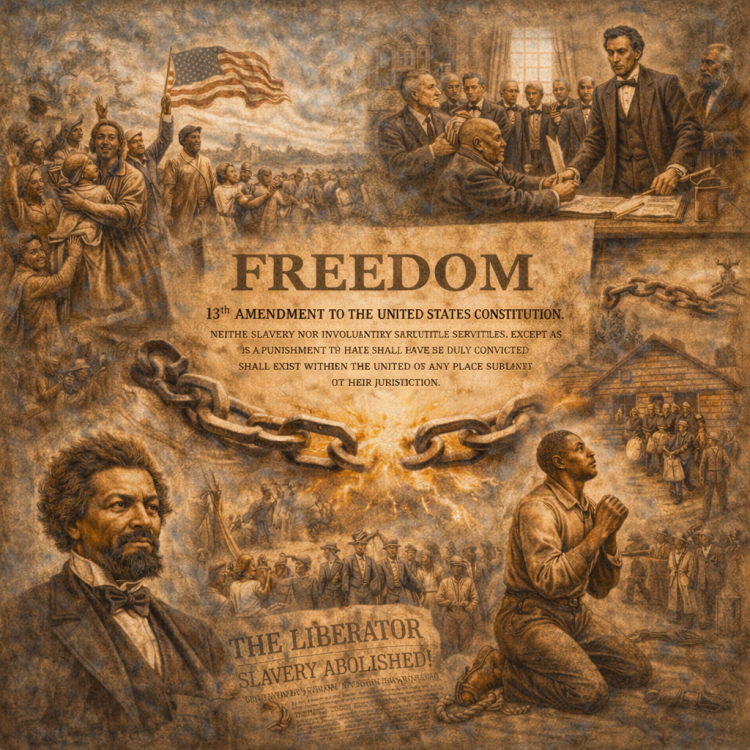
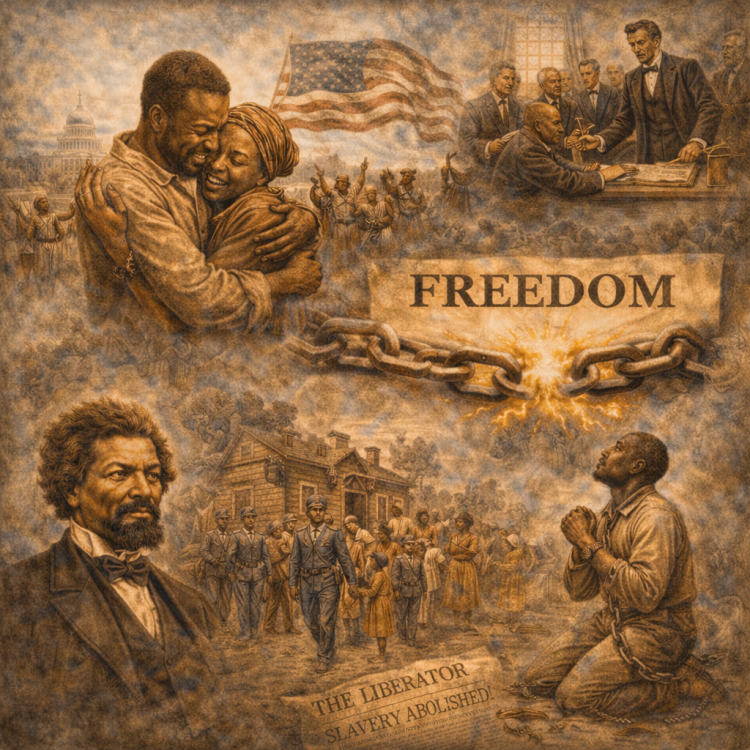
The Civil War ended slavery, but Reconstruction brought both opportunity and backlash. African Americans gained citizenship and voting rights, only to face violent resistance and political rollback.
Segregation and Jim Crow
Jim Crow laws enforced racial segregation and inequality for decades, restricting education, employment, housing, and political participation.
Civil Rights and Continuing Struggles
The Civil Rights Movement challenged segregation and discrimination through protest, legal action, and leadership—laying foundations for ongoing struggles over equality and justice.
Slavery in the American Colonies
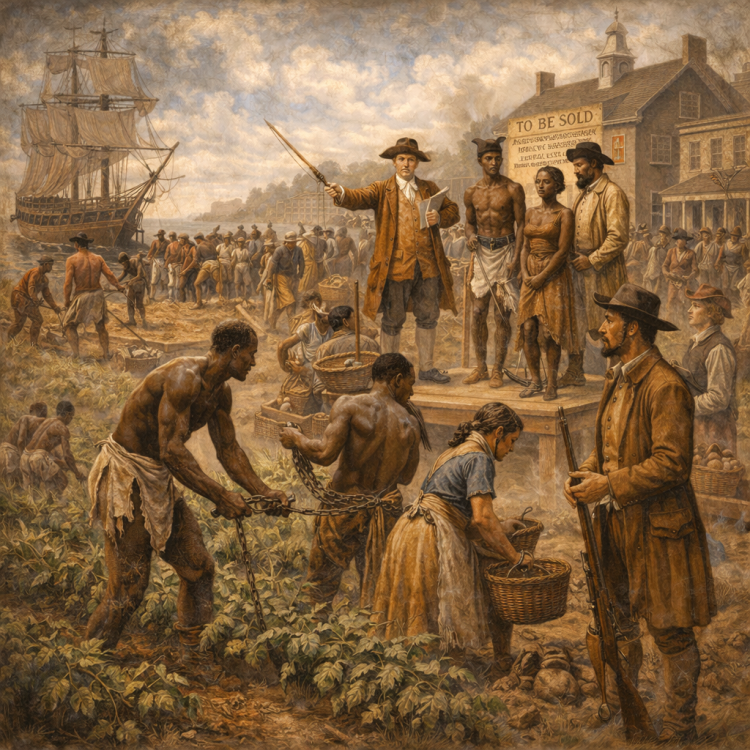
In 1619, a Dutch ship brought the first recorded Africans to English North America near Jamestown, Virginia. Initially, some Africans were treated as indentured servants, but this system gradually evolved into hereditary, race-based slavery.
By the mid-17th century, colonial laws—such as Massachusetts’ legalization of slavery in 1641—codified lifelong enslavement for people of African descent. Slavery became a permanent institution, passed down through generations and deeply embedded in colonial society.
Despite brutal conditions, enslaved people formed families, maintained cultural traditions, and resisted oppression in both subtle and overt ways.
African Americans and Religion
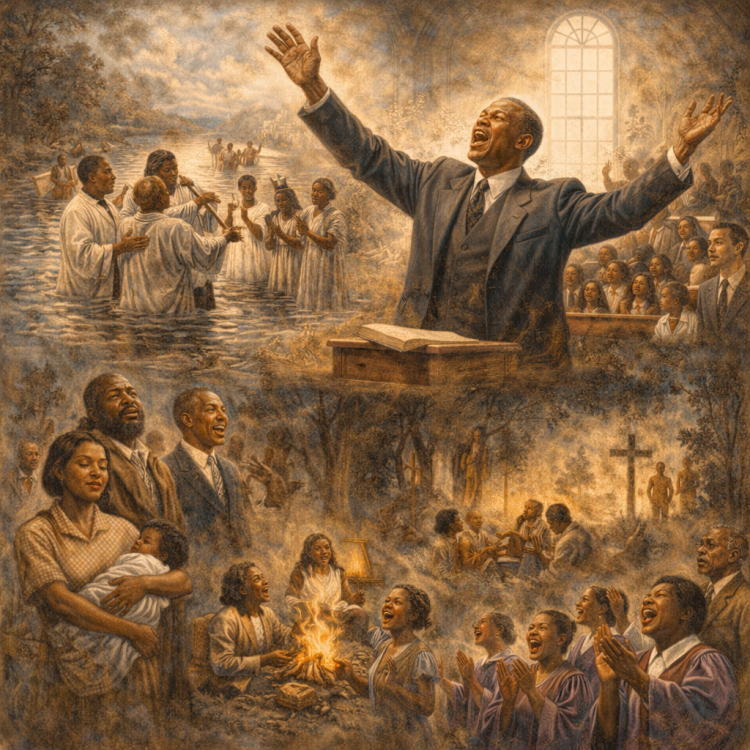
Religion played a central role in African American life. By the early 19th century, many enslaved and free Black Americans had embraced Christianity, often blending it with African spiritual traditions.
Black churches became more than places of worship:
- Centers of education
- Spaces for community organization
- Safe havens from white control
These churches later became critical foundations for resistance, abolitionism, and civil rights activism.
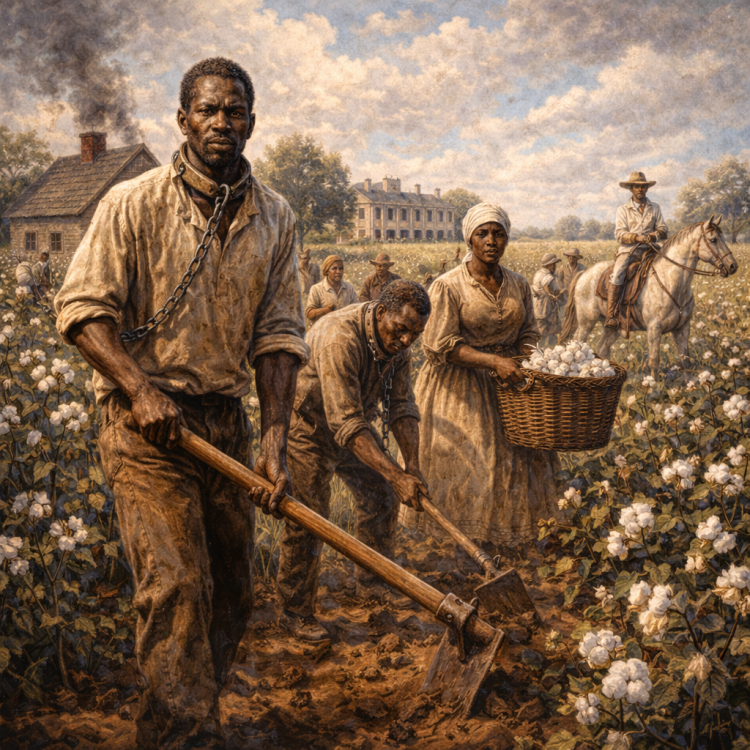
Cotton, the Southern Economy, and Slavery
After the American Revolution, Southern agriculture shifted dramatically. The invention of Eli Whitney’s cotton gin in 1793 transformed cotton into a highly profitable crop.
This technological change expanded slavery rather than reducing it. Demand for enslaved labor surged as cotton plantations spread across the Deep South, tying slavery directly to American industrial growth and global trade.
The Abolitionist Movement
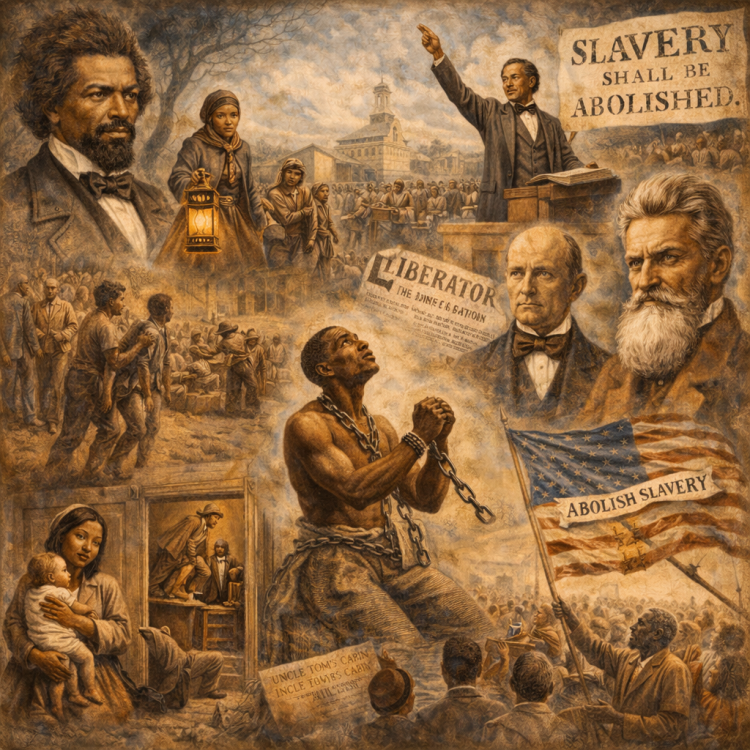
Opposition to slavery grew steadily in the late 18th and early 19th centuries. Enslaved and free African Americans led the charge, supported by religious groups such as the Quakers and later white abolitionists.
Key developments included:
- The Underground Railroad, helping enslaved people escape to freedom
- Abolitionist publications like William Lloyd Garrison’s The Liberator
- Increasing political tension over slavery’s expansion
By the 1830s, abolition had become a powerful — and controversial — national movement.
The Dred Scott Decision
In 1857, the Supreme Court ruled in Dred Scott v. Sandford that African Americans were not citizens and had no legal rights under the Constitution.
The decision declared enslaved people to be property and struck down limits on slavery’s expansion. It intensified sectional conflict and helped push the nation toward civil war.
African Americans and the Civil War
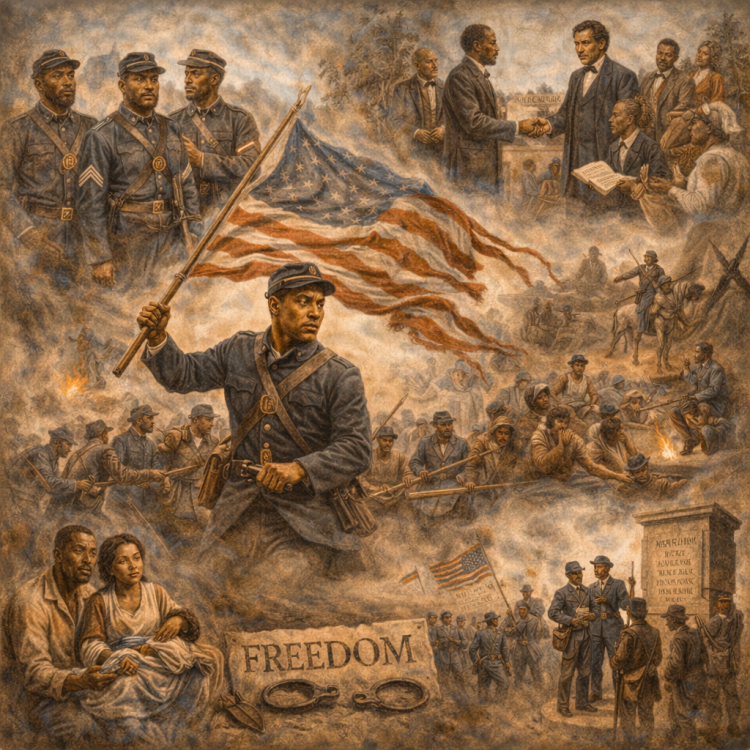
The American Civil War (1861–1865) became a turning point in African American history. Following the Union victory at Antietam, President Abraham Lincoln issued the Emancipation Proclamation, freeing enslaved people in Confederate territory.
More than 200,000 African American men served in the Union Army and Navy, fighting not only for the nation but for their own freedom and citizenship.
Reconstruction and Its Promise
After the war, the Reconstruction Era brought unprecedented opportunities. African Americans:
- Voted in large numbers
- Held public office
- Built schools, churches, and businesses
Figures such as Hiram Revels, the first Black U.S. Senator, symbolized this progress. However, these gains faced fierce resistance.
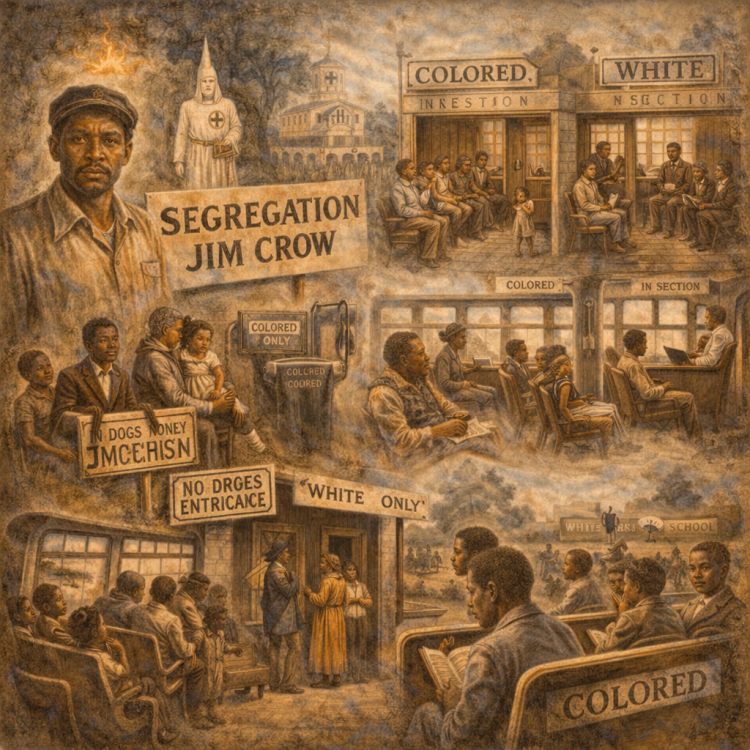
Jim Crow Laws and Segregation
From the late 19th century through the mid-20th century, Jim Crow laws enforced racial segregation across the South. The Supreme Court’s decision in Plessy v. Ferguson (1896) upheld “separate but equal,” legitimizing discrimination.
Violence, voter suppression, and economic inequality defined this era.
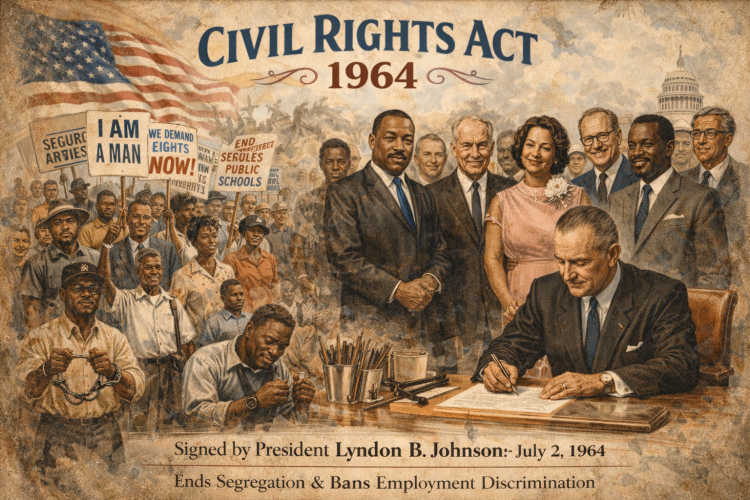
The Civil Rights Movement
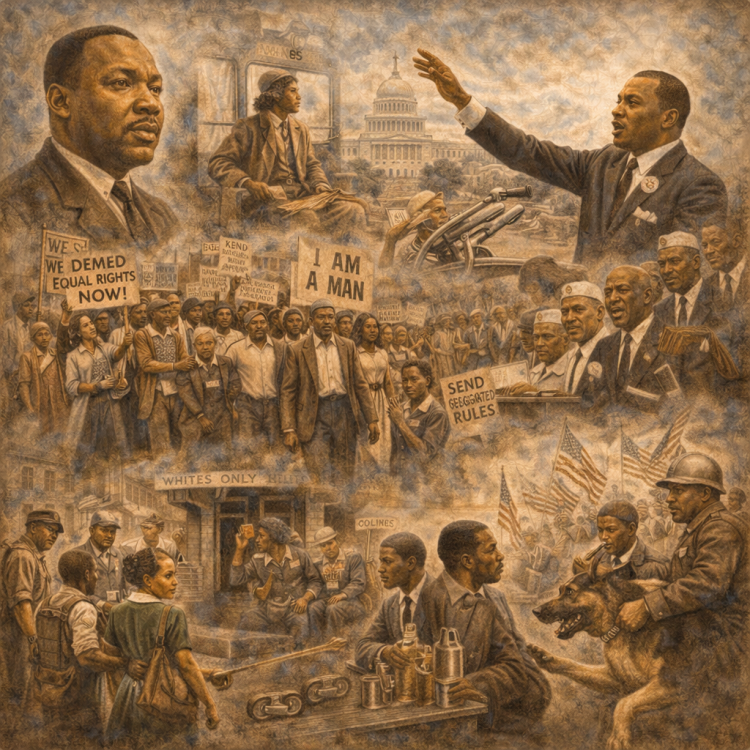
By the mid-20th century, African Americans and their allies launched a mass movement to dismantle segregation and secure equal rights.
Through protests, legal challenges, and civil disobedience, leaders such as Martin Luther King Jr. helped achieve landmark victories, including:
- The Civil Rights Act of 1964
- The Voting Rights Act of 1965
These reforms reshaped American democracy.
Legacy and Continuing Impact
The history of slavery and African American resistance is inseparable from the history of the United States itself. Understanding this past is essential to understanding modern debates over race, justice, and equality.
This hub page connects readers to detailed articles exploring African American life, culture, struggle, and achievement across American history.
❓ African American History — Frequently Asked Questions
When did African American history in the colonies begin?
African American history in the English colonies began in 1619, when enslaved Africans were brought to Virginia.
How did slavery become race-based?
Early systems of indentured servitude evolved into permanent, hereditary slavery defined by race through colonial laws and court rulings.
Did enslaved people resist slavery?
Yes. Resistance included escape, rebellion, work slowdowns, preservation of culture, and participation in abolitionist networks.
What changed after the Civil War?
Slavery was abolished, citizenship was granted, and voting rights expanded— though many gains were later undermined by segregation and violence.
What were Jim Crow laws?
Jim Crow laws enforced racial segregation in schools, housing, transportation, and public life from the late 19th to mid-20th century.
Why is African American history central to U.S. history?
African American labor, culture, activism, and leadership shaped American democracy, economy, music, religion, and civil rights.
🧠 African American History — Knowledge Quiz
Test your understanding of key events, systems, and movements. Green = correct, Red = incorrect.
📚 Glossary — African American History
Chattel Slavery
A system where enslaved people were treated as property for life.
Middle Passage
The brutal transatlantic voyage transporting enslaved Africans.
Abolitionism
A movement dedicated to ending slavery.
Reconstruction
The post-Civil War period of rebuilding and expanding rights.
Jim Crow Laws
State laws enforcing racial segregation.
Civil Rights Movement
A struggle to secure equal rights under the law.