
American celebrations and holidays reflect the nation’s history, values, cultures, and traditions.
From deeply rooted religious observances and uniquely American civic holidays to widely celebrated cultural traditions, these occasions mark important moments in the American calendar and bring communities together across the country.
This hub explores the major holidays and celebrations observed in the United States, including their origins, historical significance, and how they are celebrated today. You’ll find national holidays, religious observances, cultural traditions, and heritage celebrations—each playing a role in shaping American identity.
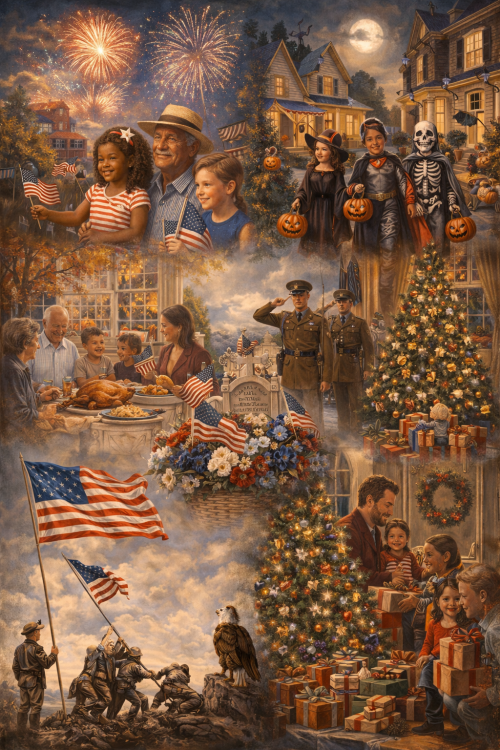
This hub explores some of the most important American celebrations, examining their historical origins, cultural significance, and how they came to be observed across the United States.
🇺🇸 Click to Reveal: American Celebrations & Holidays
What makes a holiday “American”?
An American holiday reflects the nation’s history, values, or cultural identity. These celebrations may be religious, civic, or cultural, but they gain national meaning through shared observance and historical significance.
Why do religious holidays matter in U.S. history?
Religious holidays such as Christmas and Good Friday reflect the Christian traditions that influenced early American society and immigration patterns, even as the nation developed religious freedom.
What is the purpose of civic holidays?
Civic holidays such as Independence Day, Memorial Day, and Veterans Day commemorate national events, honor sacrifice, and reinforce shared democratic ideals.
How did immigration shape American celebrations?
Immigrant communities introduced traditions such as St. Patrick’s Day, which evolved in the U.S. into broader cultural celebrations reflecting ethnic pride and identity.
Why are some holidays controversial?
Holidays like Columbus Day are debated due to their association with colonization and Indigenous suffering, leading some communities to observe Indigenous Peoples’ Day instead.
What role do Native American pow-wows play?
Pow-wows preserve Indigenous culture and identity through dance, music, and ceremony, representing resilience despite historical efforts to suppress Native traditions.
How do holidays change over time?
American celebrations evolve as social values change. For example, holidays may shift in meaning, gain new traditions, or be reinterpreted by later generations.
Why are American holidays still important today?
Holidays provide moments for reflection, unity, and education, helping Americans connect past events with present-day values and national identity.
Religious & Cultural Celebrations
Christmas Day (December 25)
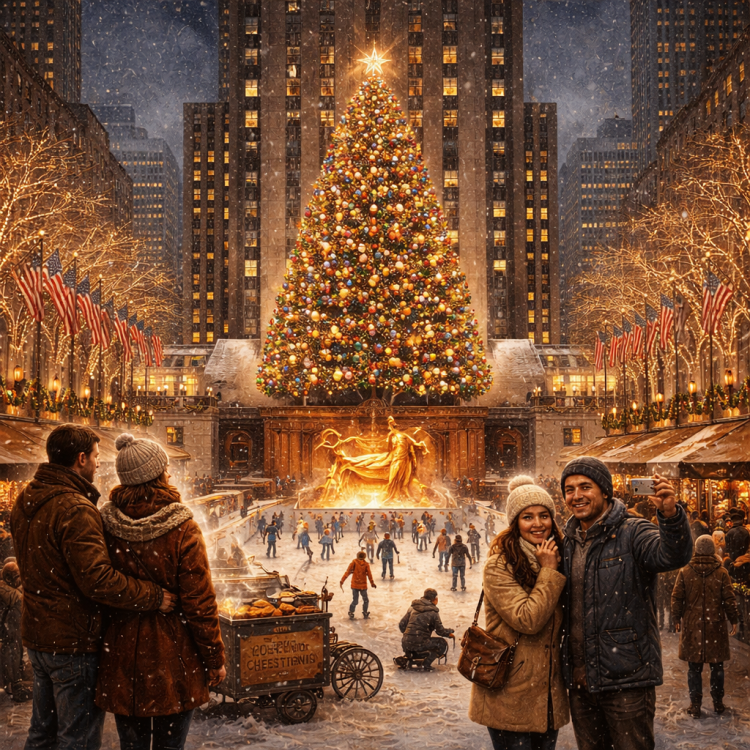
Christmas Day is one of the most widely observed holidays in the United States. Celebrated on December 25, it commemorates the birth of Jesus Christ and holds deep religious significance for Christians.
In American culture, Christmas has also become a major cultural celebration, marked by gift-giving, decorated trees, family gatherings, and seasonal traditions. While its religious meaning remains central for many, the holiday is observed by people of diverse backgrounds across the country.
Thanksgiving Day
Good Friday
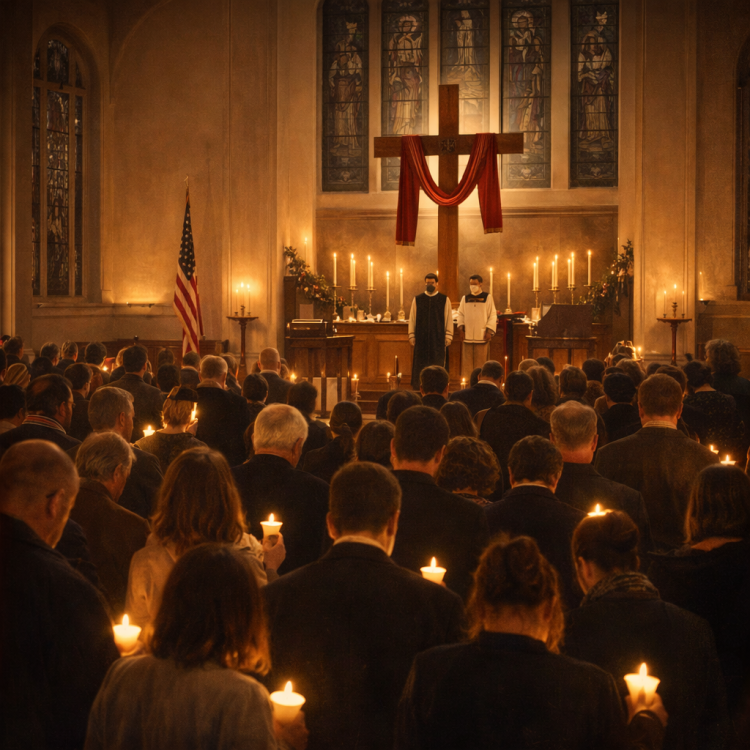
Good Friday commemorates the crucifixion of Jesus Christ, believed to have occurred between AD 30 and AD 33. It is observed during Holy Week, leading up to Easter Sunday.
In Christian tradition, Good Friday is marked by solemn services, fasting, and reflection. Although not a federal holiday in the United States, it remains an important religious observance for many Christian communities.
Halloween
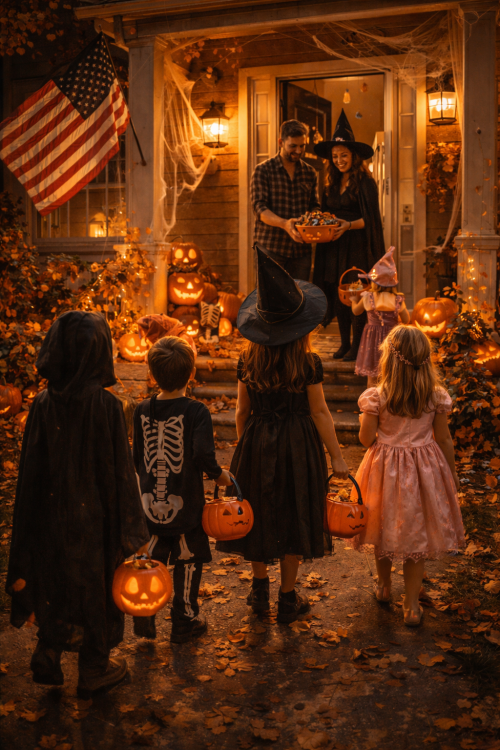
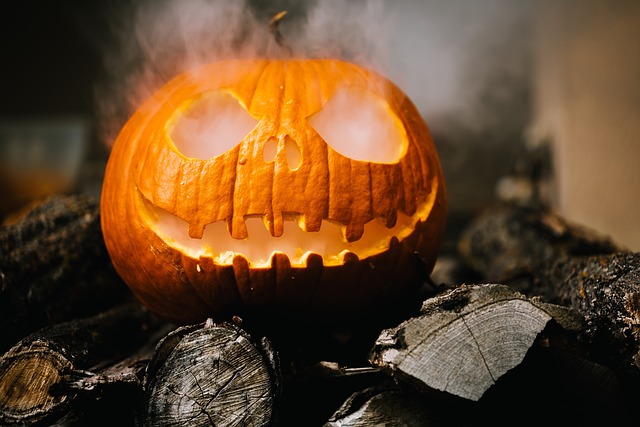
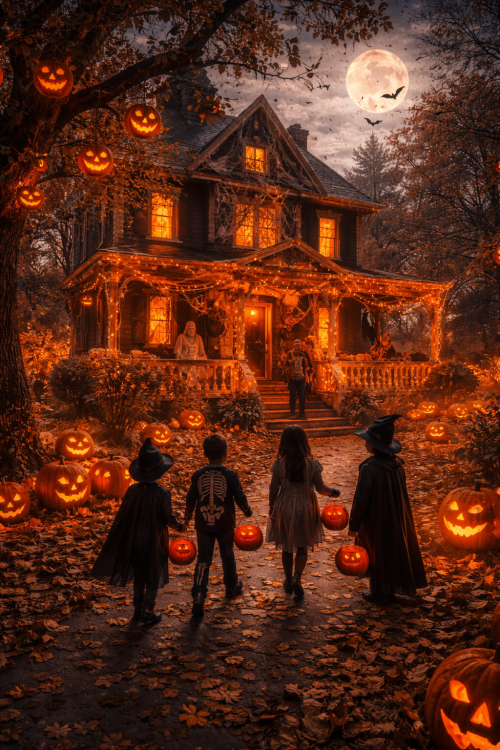
Halloween, celebrated on October 31, is a popular cultural tradition in the United States with roots in ancient Celtic festivals such as Samhain.
Modern American Halloween traditions include costume-wearing, trick-or-treating, haunted attractions, and carved jack-o’-lanterns. While not a federal holiday, Halloween is one of the most widely celebrated cultural events in the country, especially among children and families.
St. Patrick’s Day
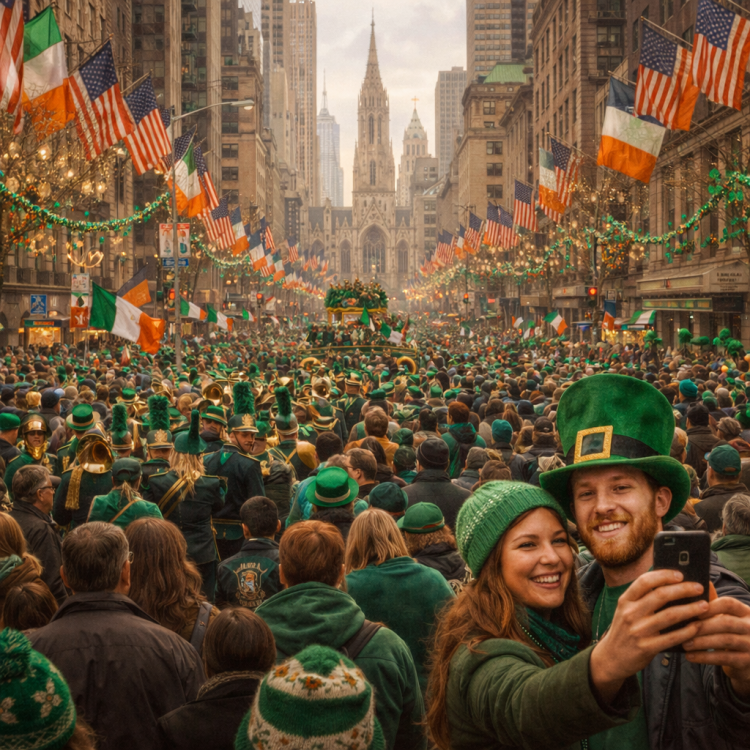
St. Patrick’s Day began as a Christian feast day honoring Saint Patrick, credited with bringing Christianity to Ireland. Observed on March 17, the day commemorates the anniversary of his death in AD 461.
Irish immigrants brought the celebration to America in the 18th century, where it evolved into a widespread cultural celebration of Irish heritage, marked by parades, music, and public festivities.
Civic & National Holidays
New Year’s Day
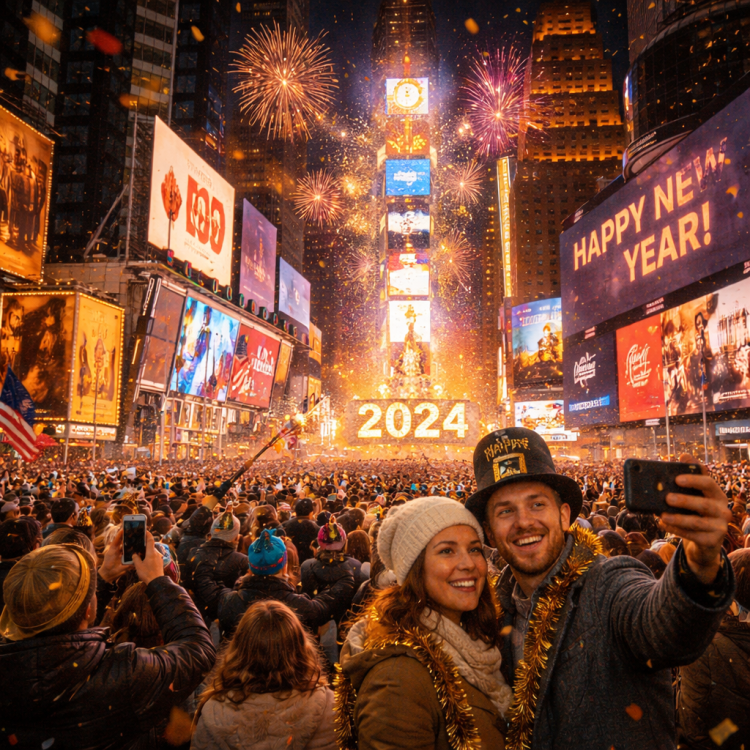
New Year’s Day marks the beginning of the calendar year on January 1st. While ancient civilizations celebrated the new year at different times, January 1 became standard following Roman reforms and later adoption of the Gregorian calendar.
In the United States, New Year’s Day is associated with reflection, renewal, and public celebrations, most famously the Times Square Ball Drop in New York City.
Martin Luther King Jr. Day
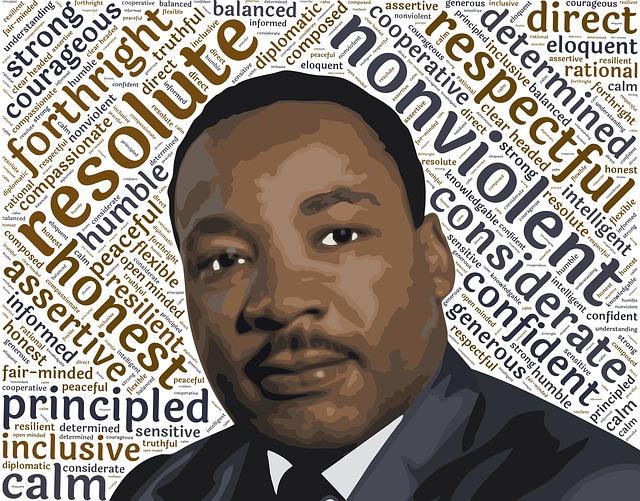
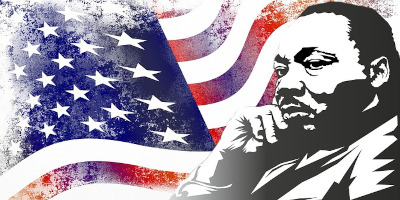
Martin Luther King Jr. Day honors the life and legacy of Dr. Martin Luther King Jr., a leader of the Civil Rights Movement. Observed on the third Monday of January, the holiday recognizes his efforts to combat racial segregation and promote equality through nonviolent protest.
The holiday became a federal observance in 1983 following years of public advocacy and debate.
Independence Day (Fourth of July)
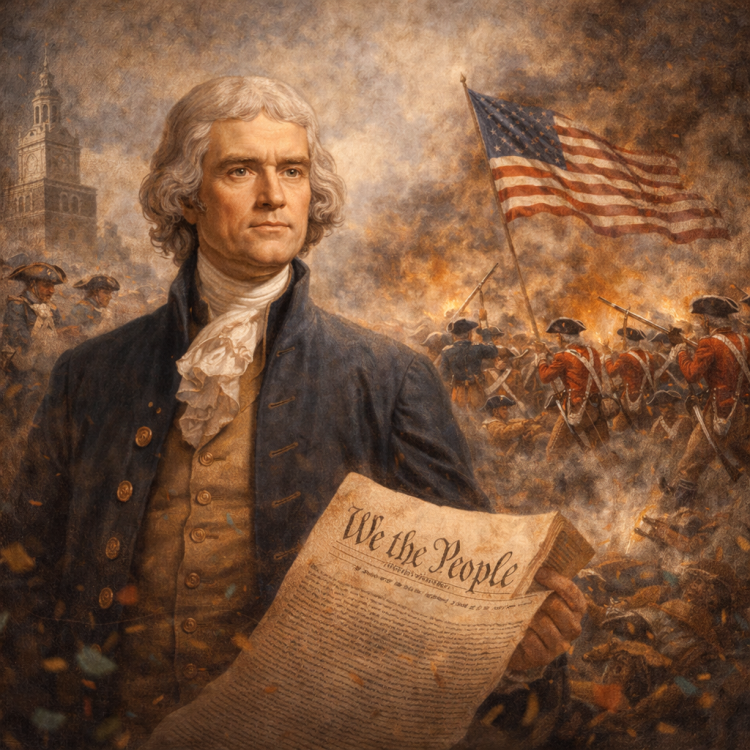
Independence Day commemorates the adoption of the Declaration of Independence on July 4, 1776. Drafted primarily by Thomas Jefferson, the document declared the American colonies independent from British rule.
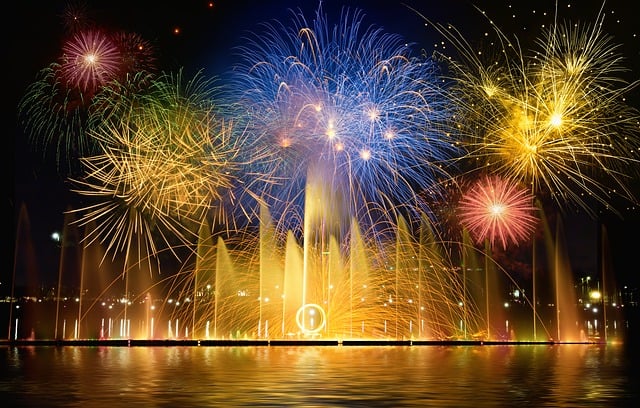
The Fourth of July is widely celebrated with fireworks, parades, and public gatherings, symbolizing the birth of the United States and its foundational ideals of liberty and self-government.
Thanksgiving Day
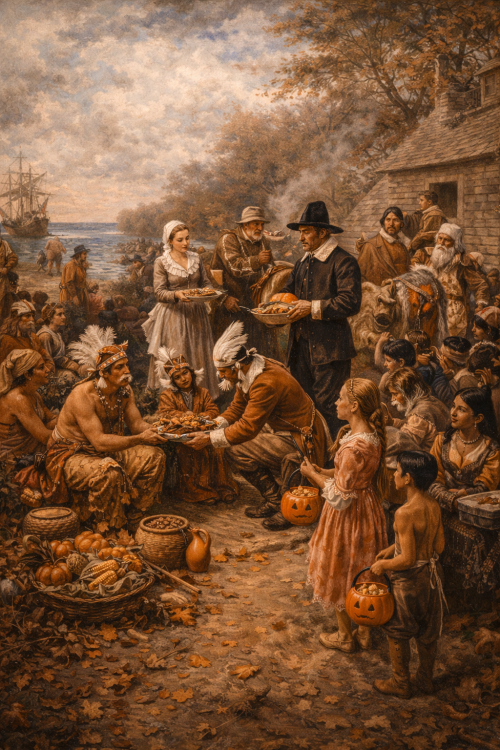
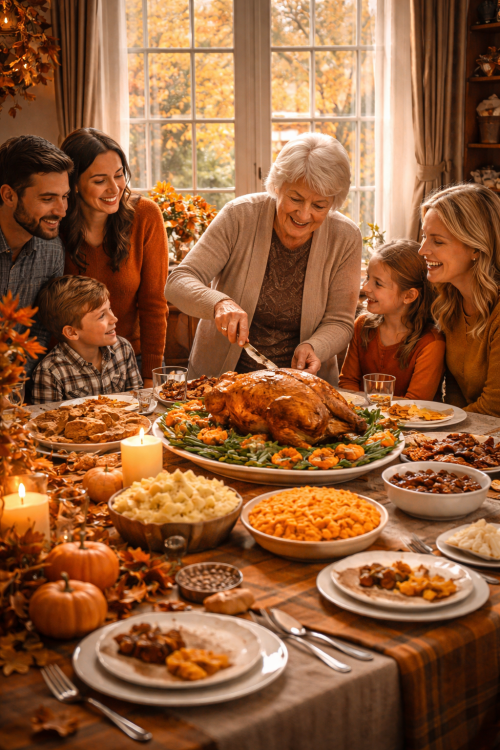
Thanksgiving Day is a uniquely American holiday celebrated on the fourth Thursday of November. It traces its origins to early colonial harvest celebrations and later became a national holiday during the Civil War.
Today, Thanksgiving is centered on gratitude, family gatherings, and shared meals, with traditional foods such as turkey and pumpkin pie. It remains one of the most widely observed civic holidays in the United States.
Labor Day
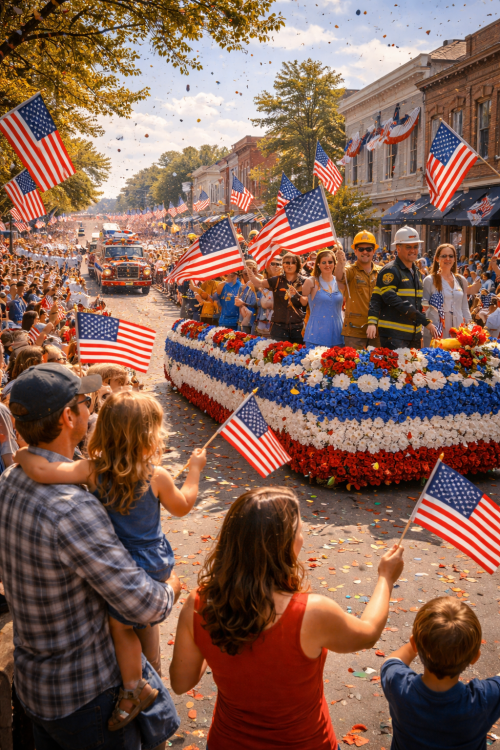
Labor Day, observed on the first Monday of September, honors the contributions of American workers and the labor movement.
Established as a federal holiday in 1894, Labor Day recognizes the role of organized labor in improving working conditions, wages, and rights. It is also commonly seen as the symbolic end of summer in the United States.
Veterans Day
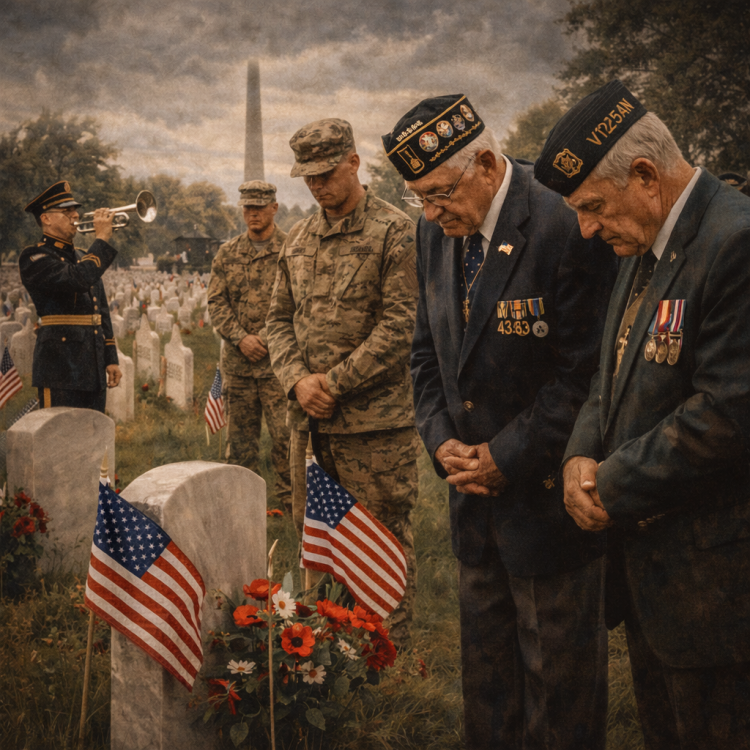
Observed annually on November 11, Veterans Day honors all Americans who have served in the U.S. Armed Forces. The date originated as Armistice Day following the end of World War I in 1918.
In 1938, it became a federal holiday dedicated to recognizing military service and sacrifice.
Memorial Day
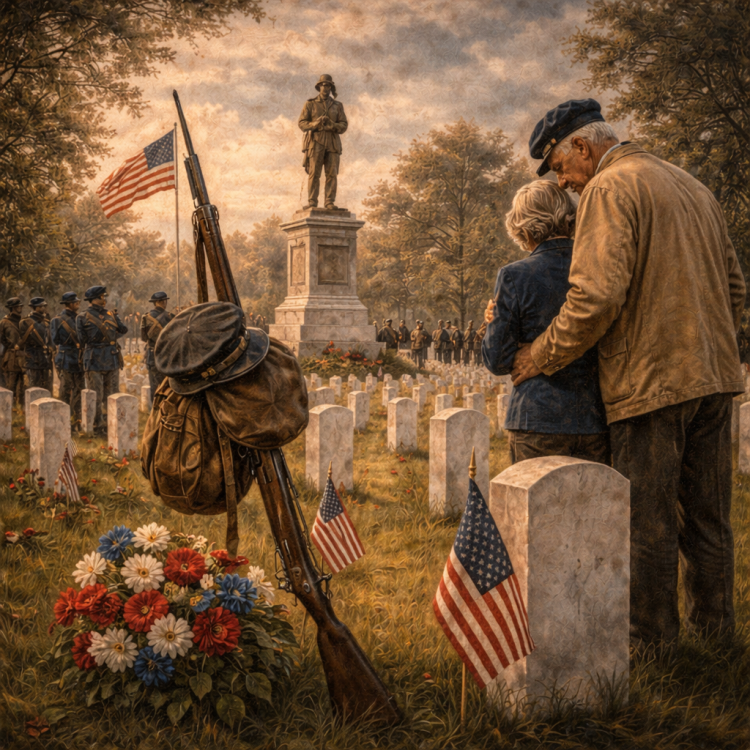
Memorial Day honors the men and women who died while serving in the U.S. military. Originating after the Civil War, the holiday was initially known as Decoration Day, when graves of fallen soldiers were decorated with flowers.
Today, Memorial Day is observed on the last Monday of May and serves as both a day of remembrance and the unofficial start of summer in the United States.
Indigenous & Cultural Traditions
Native American Pow-Wows
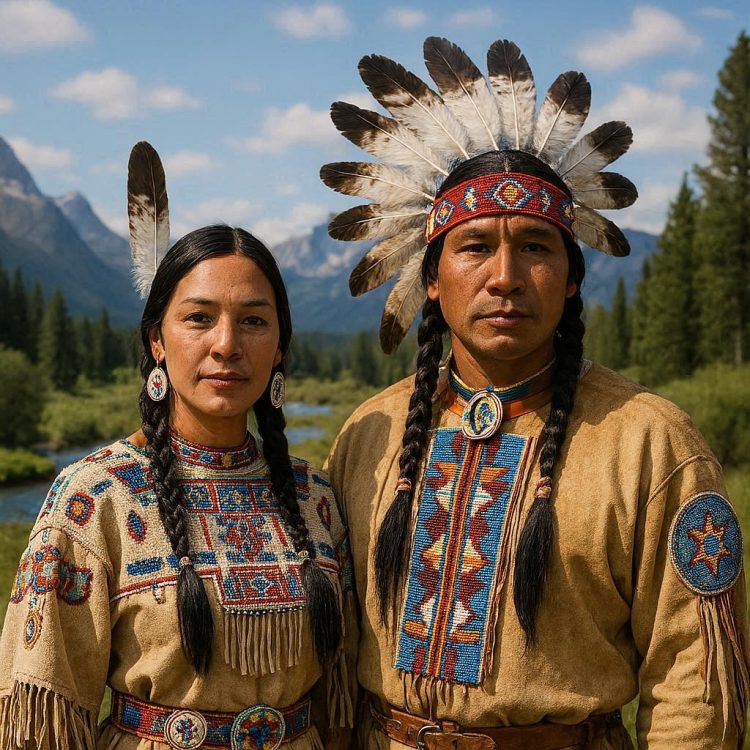
Pow-wows are social and cultural gatherings that bring together Native American communities to celebrate heritage through music, dance, and ceremony. The term derives from the Narragansett word powwaw, meaning spiritual leader.
Despite historical efforts to suppress Indigenous cultural practices, pow-wows endured and remain vital expressions of Native American identity and tradition today.
Columbus Day
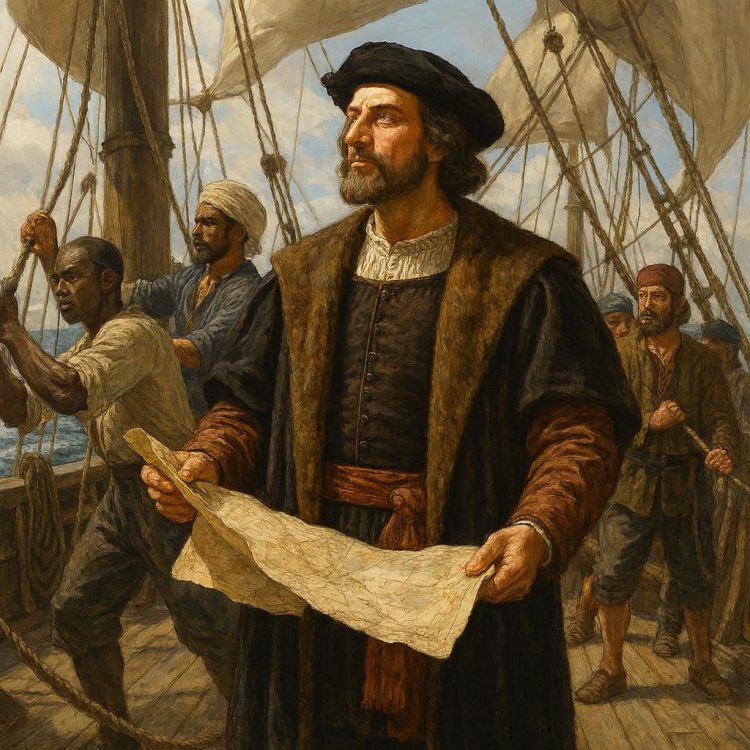
Columbus Day commemorates Christopher Columbus’s 1492 voyage to the Americas. It became a federal holiday in 1937, but its legacy is controversial due to the impact of European colonization on Indigenous populations.
Many communities now observe Indigenous Peoples’ Day as an alternative, reflecting ongoing reassessment of historical narratives.
Together, these celebrations highlight the religious roots, civic ideals, cultural diversity, and historical complexity of the United States. American holidays are not only days of observance but also windows into the nation’s evolving identity and values.
For further reading, explore additional articles on American history, culture, and traditions linked throughout this site.
❓ American Celebrations & Holidays — FAQ
What’s the difference between a federal holiday and a widely celebrated tradition?
A federal holiday is officially recognized by the U.S. government, meaning federal offices close and many workplaces follow. A widely celebrated tradition (like some religious or cultural observances) may be important nationally or regionally, but it isn’t necessarily a federal day off.
Why do some U.S. holidays “move” each year?
Some holidays follow rules like the third Monday of a month (for predictable long weekends), while others are tied to religious calendars (for example, Easter-based dates). That’s why holidays like MLK Day and Thanksgiving shift from year to year.
Why are Independence Day and the Declaration of Independence so central?
Independence Day (July 4) commemorates the adoption of the Declaration of Independence in 1776, when the colonies formally asserted self-government. It became a national symbol of liberty, political independence, and the creation of a new republic.
What’s the difference between Memorial Day and Veterans Day?
Memorial Day honors U.S. service members who died while serving. It grew out of post–Civil War traditions of decorating graves. Veterans Day honors all who served in the armed forces, living or dead, and is observed on November 11 (linked to the World War I armistice).
Why is Columbus Day debated, and why do some places observe Indigenous Peoples’ Day?
Columbus Day traditionally commemorates the 1492 voyage, but it’s debated because European colonization led to Indigenous dispossession and long-term harm. Many communities observe Indigenous Peoples’ Day to recognize Indigenous history, culture, and resilience.
How did immigrant communities shape American celebrations?
Immigrants brought traditions that blended into American life. For example, St. Patrick’s Day grew into large public celebrations of Irish identity; other communities shaped local festivals, food traditions, music, and parades that became part of America’s cultural calendar.
🧠 American Holidays & Celebrations — Knowledge Quiz
Choose an answer for each question, then click Submit. Correct answers highlight green; incorrect selections highlight red.
📘 Glossary: U.S. Holidays & Celebrations
Federal Holiday
A holiday officially recognized by the U.S. government, when federal offices close and many workplaces and schools observe the day.
Civic Holiday
A celebration tied to national identity or public values, often commemorating events like independence, civil rights, or remembrance.
Armistice Day
The original name associated with November 11, marking the end of World War I fighting in 1918; later evolved into Veterans Day in the U.S.
Decoration Day
An early name for Memorial Day, rooted in post–Civil War practices of decorating graves of fallen soldiers.
Indigenous Peoples’ Day
An observance recognizing Indigenous history and culture, often held on the same day as the federal Columbus Day holiday.
Midnight Mass
A Christian service held late on Christmas Eve or at midnight, traditionally associated with celebrating the birth of Jesus Christ.
Pow-wow
A gathering of Native American communities featuring dance, music, regalia, and ceremony—often celebrating cultural continuity and community ties.
Public Observance
A tradition broadly recognized by communities (parades, ceremonies, gatherings), even when it is not a federal day off.