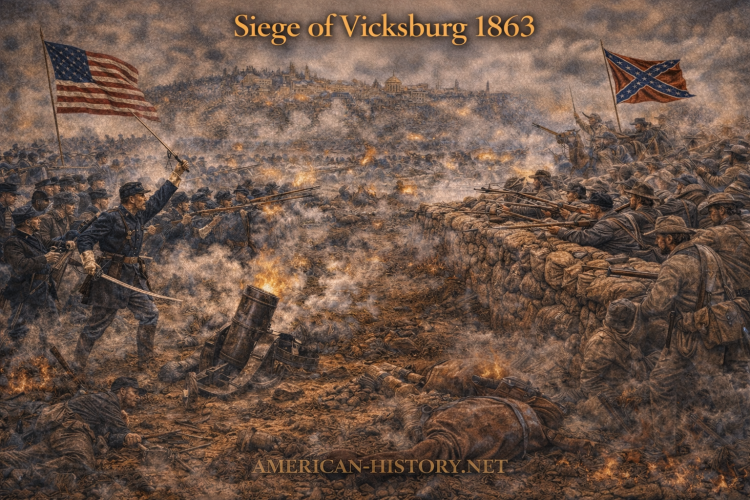
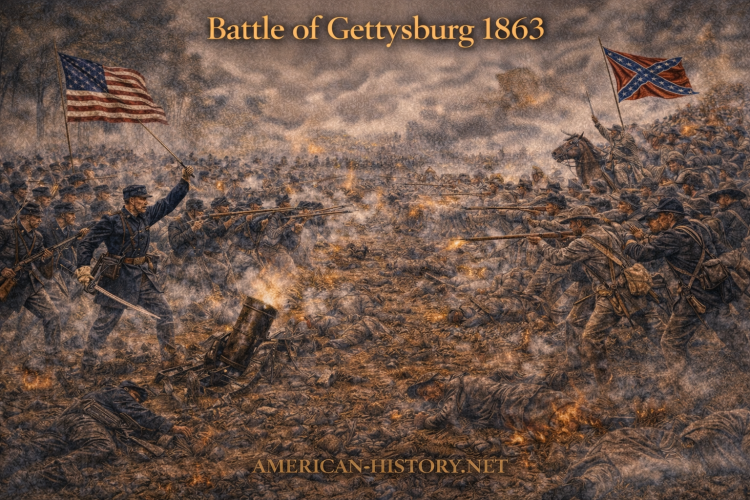
The American Civil War (1861–1865) was defined by a series of decisive and often brutal military engagements that shaped the fate of the United States. From massive battlefield clashes involving tens of thousands of soldiers to smaller but strategically critical encounters, Civil War battles determined control of territory, resources, and political momentum throughout the conflict. This page serves as a comprehensive hub exploring the most important battles of the American Civil War, explaining where they were fought, why they mattered, and how they influenced the course of the war.
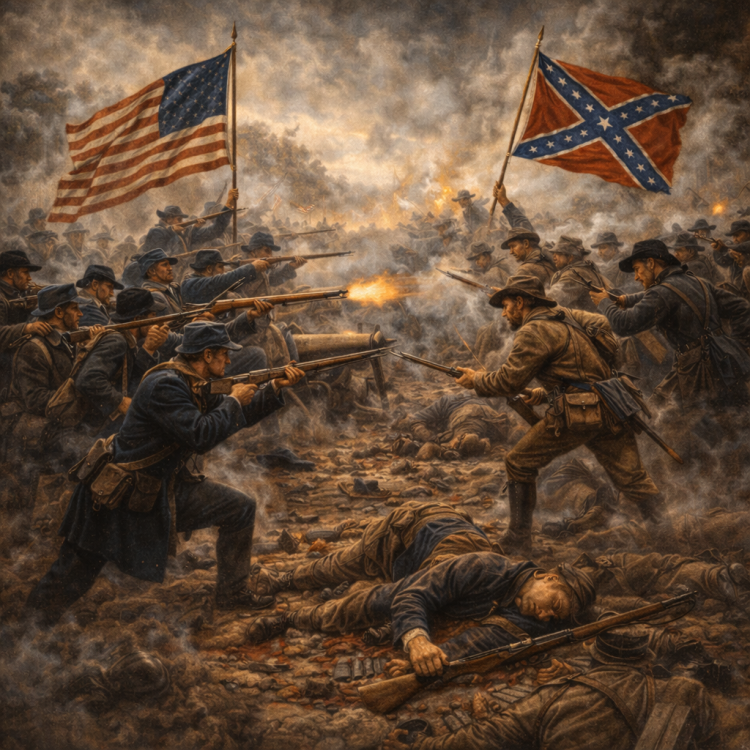
🇺🇸 Click to Reveal: Understanding Civil War Battles
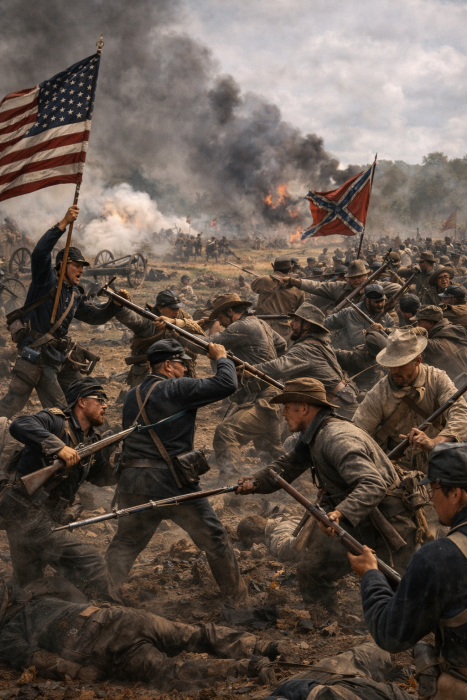
Why were Civil War battles so deadly?
Soldiers often used outdated battlefield tactics against modern weapons such as rifled muskets and artillery. This mismatch caused extremely high casualty rates, making the Civil War one of the deadliest conflicts in American history.
What made a battle strategically important?
Strategic importance often depended on location, such as control of railroads, rivers, or supply hubs. Some battles mattered less for territory and more for their psychological or political impact.
Were most battles fought in one region?
No. Civil War battles were fought across multiple theaters including the Eastern, Western, and Trans-Mississippi regions. Each theater had different terrain, objectives, and military challenges.
Did winning a battle always mean winning the war?
Not always. Some Confederate victories failed to deliver long-term advantages, while certain Union defeats still advanced broader strategic goals. The war was decided by overall attrition, resources, and sustained pressure.
How did battles affect civilians?
Many battles were fought near towns and farms, leading to property destruction, food shortages, and displacement. Civilians often treated wounded soldiers and lived under military occupation.
Why are Civil War battlefields preserved today?
Preserved battlefields serve as historical records and memorials. They help Americans understand the scale of the conflict, honor those who fought, and study how the war shaped the nation.
What can I learn from individual battle articles?
Each battle article explores causes, commanders, troop movements, outcomes, and long-term consequences, helping place the engagement within the broader story of the Civil War.
Why Civil War Battles Mattered
Unlike earlier American conflicts, the Civil War introduced industrial-scale warfare to the continent. Battles were no longer isolated skirmishes but sustained campaigns involving railroads, artillery, mass infantry formations, and evolving military tactics. Victory on the battlefield often translated directly into political pressure, shifts in public opinion, and international consequences.
Key factors that made Civil War battles so significant include:
- Control of railroads and rivers
- Destruction of enemy armies rather than territory alone
- Psychological impact on civilian populations
- Influence on foreign recognition and diplomacy
🇺🇸 Major Theaters of the American Civil War
The American Civil War was fought across vast regions of the United States. To manage military operations and strategy, historians divide the conflict into several major theaters of war, each defined by geography, objectives, and key campaigns.
Eastern Theater
The Eastern Theater centered on Virginia, Maryland, and the Confederate capital of Richmond. It witnessed some of the war’s most famous and costly battles, including Antietam, Fredericksburg, and Gettysburg. Control of this theater was crucial due to its political significance and proximity to Washington, D.C.
Western Theater
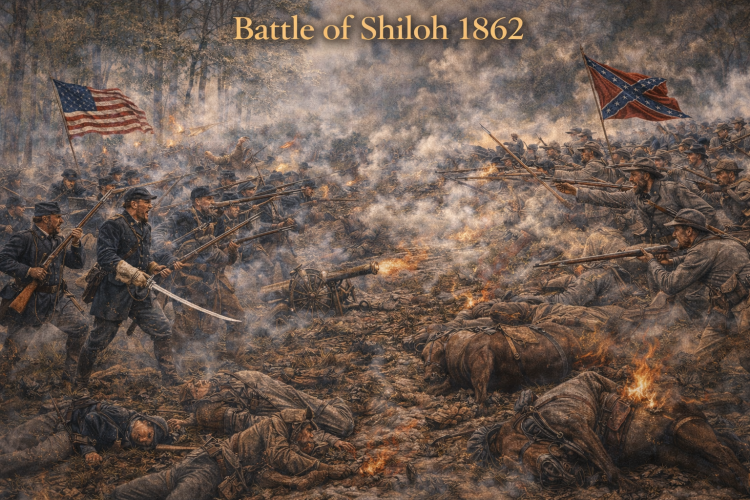
Extending from the Appalachian Mountains to the Mississippi River, the Western Theater focused on control of rivers, railroads, and supply routes. Major engagements such as Shiloh, Vicksburg, and Chattanooga allowed Union forces to split the Confederacy and gain strategic dominance.
Trans-Mississippi Theater
West of the Mississippi River, this theater included Missouri, Arkansas, Texas, and parts of the western territories. Though less decisive than other theaters, it involved significant battles, guerrilla warfare, and struggles for regional control.
Lower Seaboard and Gulf Coast Theater
This theater covered coastal operations along the Atlantic Ocean and the Gulf of Mexico. Union naval superiority enabled blockades, amphibious assaults, and the capture of key ports such as New Orleans, tightening economic pressure on the Confederacy.
Types of Civil War Battles
Not all Civil War battles were fought the same way. The conflict featured a wide range of military engagements:
- Set-piece battles involving large armies (e.g., open-field confrontations)
- Sieges designed to starve or isolate enemy strongholds
- River and naval battles along key waterways
- Cavalry raids disrupting supply lines and communications
- Defensive actions protecting cities or strategic terrain
Each type of battle required different tactics and produced different outcomes.
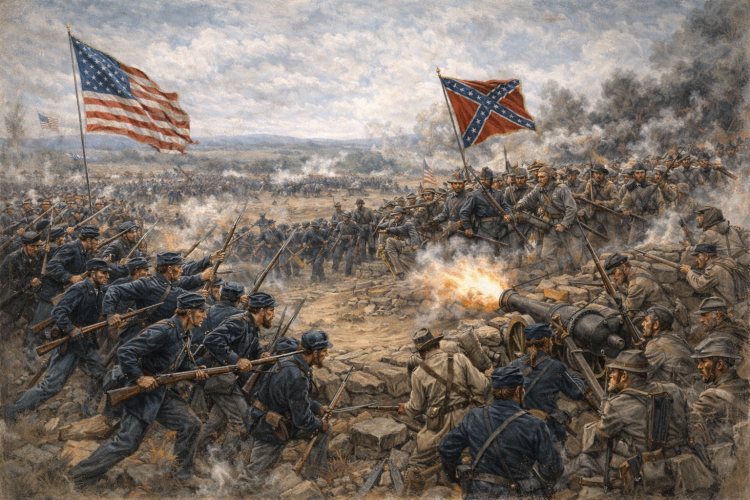
Turning Points and Decisive Engagements
Some battles had consequences far beyond the battlefield. Certain victories or defeats:
- Shifted momentum between Union and Confederate forces
- Influenced presidential elections and public support
- Encouraged or discouraged foreign intervention
- Led directly to changes in military leadership or strategy
Understanding these turning points helps explain why the Civil War unfolded the way it did, rather than simply who won individual fights.
🇺🇸 Timeline of Major Civil War Battles (1861–1865)
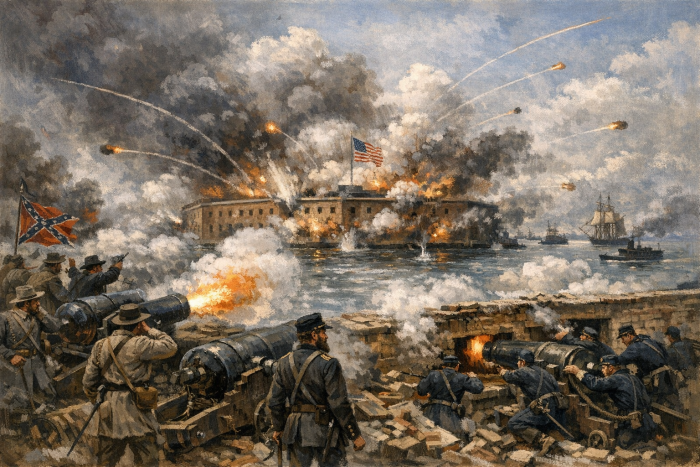
April 1861 — Battle of Fort Sumter
The first shots of the Civil War were fired when Confederate forces attacked Fort Sumter in South Carolina. The engagement marked the formal beginning of the conflict.
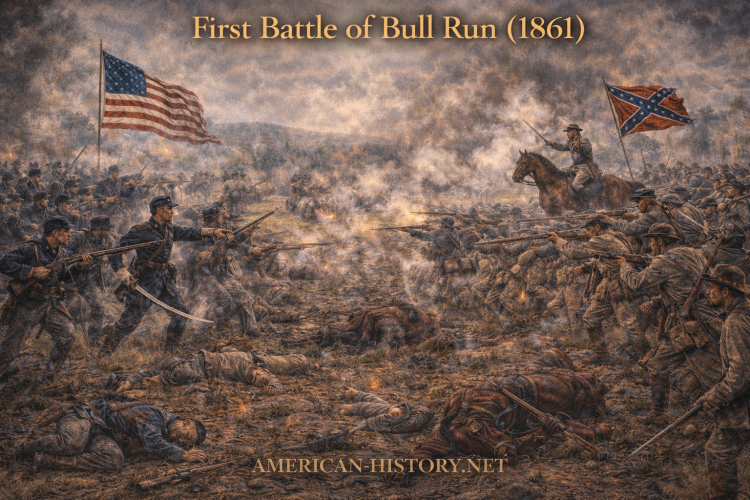
July 1861 — First Battle of Bull Run
The first major land battle shocked both sides. The Confederate victory demonstrated that the war would be longer and bloodier than initially expected.
September 1862 — Battle of Antietam
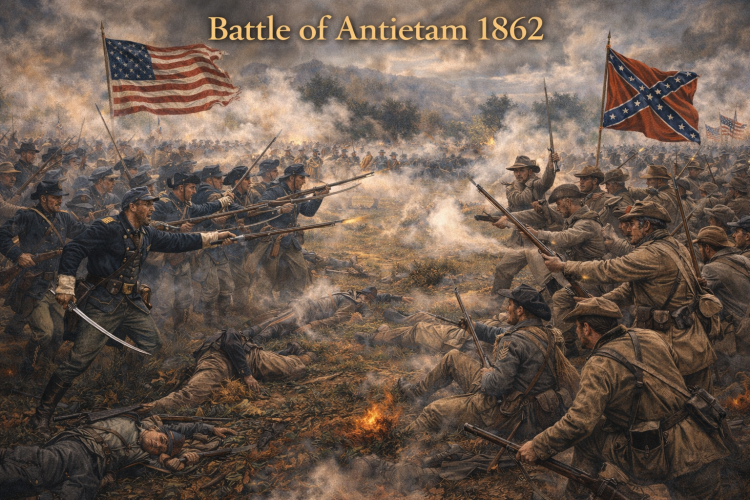
The bloodiest single day in American military history. Though tactically inconclusive, it halted Robert E. Lee’s invasion of the North and led directly to the Emancipation Proclamation.
July 1863 — Battle of Gettysburg
Often considered the turning point of the war, Gettysburg ended Lee’s second invasion of the North and inflicted devastating losses on the Confederate Army.
July 1863 — Siege of Vicksburg
The Union capture of Vicksburg gave the North control of the Mississippi River, effectively splitting the Confederacy in two.
November 1863 — Battle of Chattanooga
Union victories opened the Deep South to invasion and set the stage for General William Tecumseh Sherman’s Atlanta Campaign.
1864 — Sherman’s March to the Sea
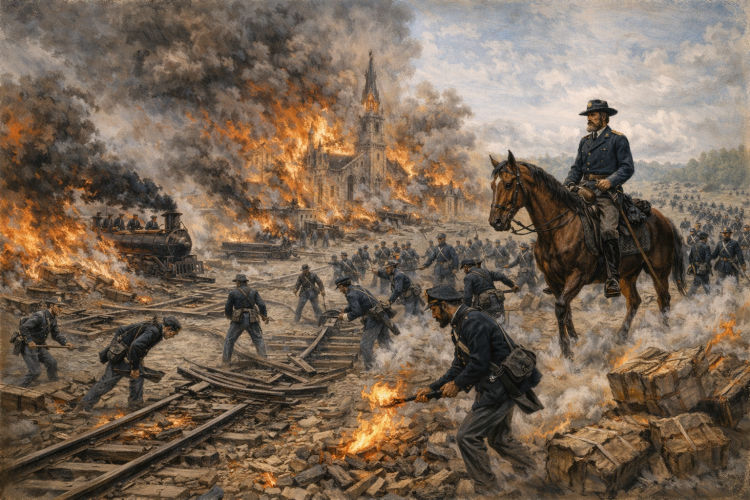
Though not a single battle, Sherman’s campaign devastated Confederate infrastructure and civilian morale, demonstrating the Union’s strategy of total war.
April 1865 — Appomattox Court House
General Robert E. Lee surrendered to Ulysses S. Grant, effectively ending major combat operations and bringing the Civil War to a close.
Human Cost of the Battles
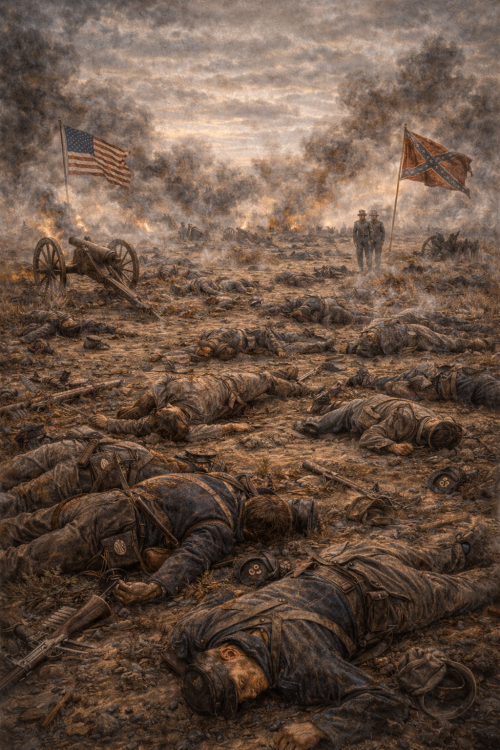
Civil War battles were extraordinarily costly. Soldiers fought with outdated tactics against increasingly lethal weapons, resulting in unprecedented casualty rates. Entire communities were affected as wounded veterans returned home—or never returned at all.
Battlefields became places of memory, mourning, and national reflection, many of which are preserved today as historic sites.
Explore Individual Civil War Battles
This hub connects to detailed articles covering:
- Major and minor battles
- Commanders and troop movements
- Maps, outcomes, and long-term consequences
- Why each battle mattered within the larger war
Use this page as a gateway to explore the key battles that shaped the American Civil War and the nation that emerged from it.
❓ American Civil War Battles — Frequently Asked Questions
Why were battles so frequent during the American Civil War?
The Civil War involved large volunteer armies, long front lines, and competing strategies for controlling territory. Railroads, rivers, and cities became strategic targets, leading to frequent clashes as both sides attempted to gain military and political advantage.
What made Civil War battles especially deadly?
Advances in rifled muskets, artillery, and ammunition increased killing power, while tactics were still based on older formations. Combined with limited medical knowledge, this led to extremely high casualty rates in battles like Antietam and Gettysburg.
Which battles were turning points in the war?
Several battles marked critical shifts, including Antietam, which enabled the Emancipation Proclamation, and Gettysburg, which ended major Confederate offensives in the North. The capture of Vicksburg also split the Confederacy in two.
How did geography influence Civil War battles?
Geography shaped strategy. Rivers like the Mississippi were vital supply routes, mountains limited troop movement, and cities served as industrial and transportation hubs. Control of terrain often determined where and how battles were fought.
Did winning battles always mean winning the war?
Not necessarily. Some victories had little long-term impact, while others reshaped public opinion or weakened morale. Strategic outcomes—such as destroying supply lines or preventing foreign recognition—were often more important than battlefield success alone.
Why are Civil War battles still studied today?
Civil War battles reveal how modern warfare began to emerge and how military decisions shaped political outcomes. They are also studied for lessons in leadership, strategy, and the human cost of national conflict.
🧠 American Civil War Battles — Knowledge Quiz
Test your understanding of key Civil War battles and strategy. Click Submit to reveal answers — green = correct, red = incorrect.
📚 Glossary: American Civil War Battles
Key terms to understand Civil War battles, military strategy, and how combat shaped the outcome of the American Civil War (1861–1865).
Theater of War
A large geographic region where military operations were conducted under a unified command, such as the Eastern or Western Theater.
Battle
A sustained military engagement involving organized armies, often named for a nearby town, river, or geographic feature (example: Gettysburg).
Campaign
A series of coordinated battles and maneuvers aimed at achieving a strategic objective over weeks or months (example: Vicksburg Campaign).
Casualties
Soldiers who were killed, wounded, captured, or missing as a result of combat.
Guerrilla Warfare
Irregular fighting tactics involving ambushes and raids, often used in border regions and occupied territories during the war.
Total War
A strategy that targets not only enemy armies but also infrastructure, supplies, and civilian resources (notably used by Sherman).
Blockade
A naval strategy employed by the Union to prevent the Confederacy from trading goods or receiving foreign military support.
Turning Point
A battle whose outcome significantly altered the course of the war (example: Gettysburg or Vicksburg).