
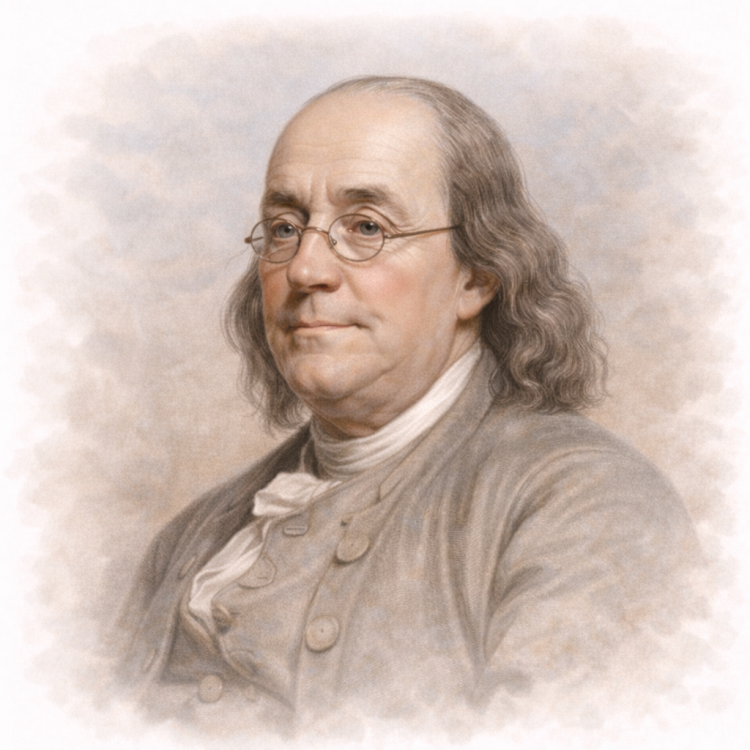
18th century America was a period of profound transformation, marked by colonial expansion, imperial conflict, and the emergence of a new political identity. Over the course of the century, the American colonies evolved from distant possessions of European empires into the foundation of the United States of America.
🧭 Explore 18th Century America
The 1700s shaped the foundations of the United States. Use this hub to explore the major themes, events, and transformations that defined American life during the 18th century.
🏘 Colonial Life & Regions
Discover how daily life differed between New England, the Middle Colonies, and the Southern Colonies, shaped by geography, religion, and economy.
⚓ Trade & the Atlantic World
Explore mercantilism, colonial trade networks, and America’s role in the transatlantic economy, including ties to Europe, Africa, and the Caribbean.
⛪ Religion & the Great Awakening
Learn how religious revival movements challenged traditional authority and helped spread ideas about individual liberty and moral equality.
⛓ Slavery & Indigenous Peoples
Examine the realities of enslaved life in colonial America and the displacement of Native American nations through warfare, treaties, and expansion.
⚔ Imperial Conflict & War
Trace the impact of wars such as the French and Indian War, which reshaped colonial loyalties and intensified tensions with Britain.
🗽 Revolution & Independence
Follow the path from protest to rebellion, including the Declaration of Independence, the Revolutionary War, and the birth of a new nation.
📜 Founding a New Government
Understand how Americans attempted to govern themselves through the Articles of Confederation, the U.S. Constitution, and the Bill of Rights.
Colonial America at the Start of the 18th Century
At the beginning of the 1700s, British North America consisted of thirteen colonies stretching along the Atlantic coast. These colonies varied widely in economy, religion, and social structure. New England focused on trade, shipbuilding, and small farms, while the Southern colonies relied heavily on plantation agriculture and enslaved labour.
Colonial society was hierarchical, shaped by land ownership, religious affiliation, and access to political power. Most colonists lived in rural communities, though port cities such as Boston, Philadelphia, and Charleston became important centres of commerce.
Economic Life and Trade
The colonial economy was closely tied to the Atlantic world. Through systems such as mercantilism, colonies supplied raw materials—timber, tobacco, rice, and furs—to Europe and imported manufactured goods. This trade network also connected North America to Africa and the Caribbean, entrenching the transatlantic slave trade.
By the mid-18th century, growing economic independence among colonists fostered resentment toward British trade restrictions and taxation.
Social Structure and Daily Life
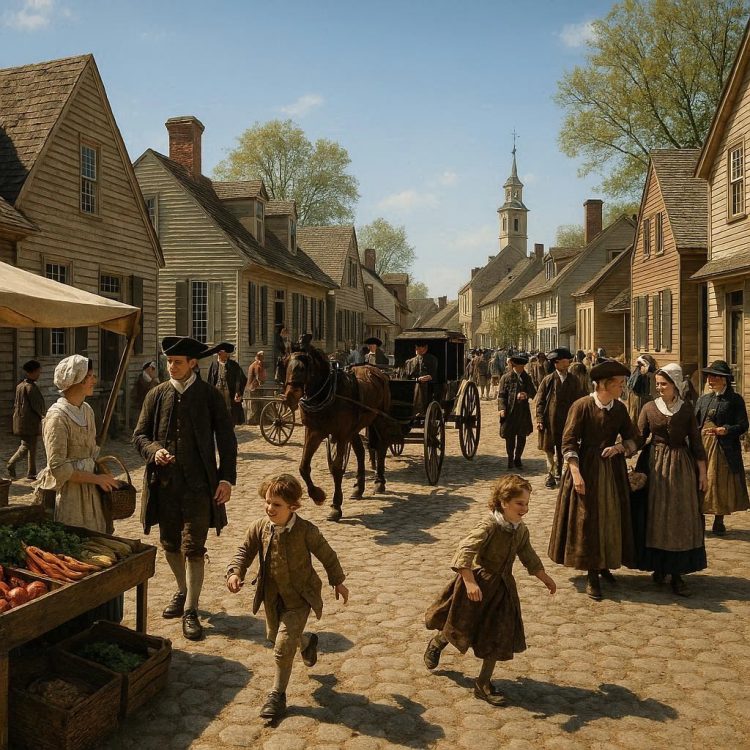
Daily life in 18th century America varied significantly by region and status. Most colonists were farmers, living in modest homes and relying on family labour. Education was limited, though literacy rates were relatively high in New England.
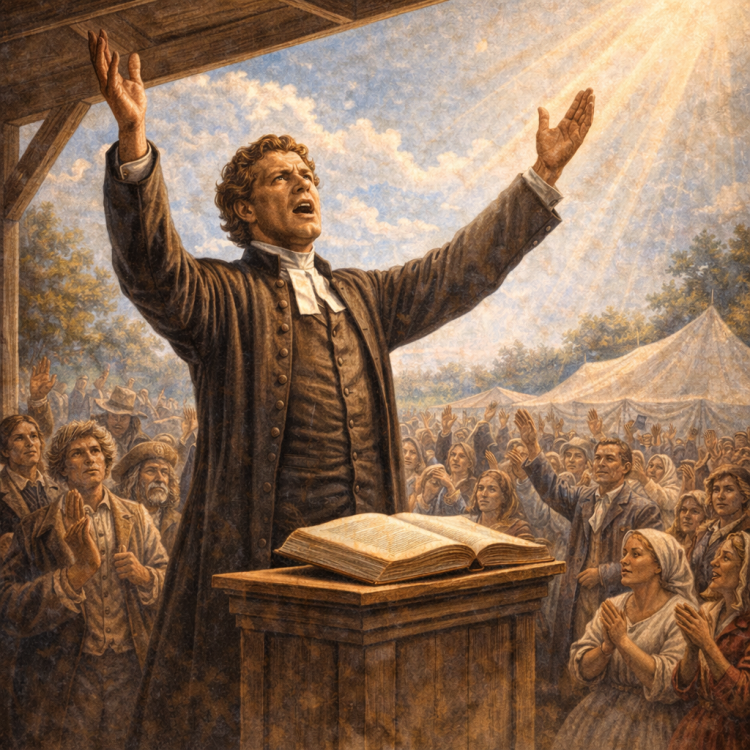
Religion played a central role in community life. The Great Awakening, a widespread religious revival during the 1730s and 1740s, encouraged personal faith and challenged established churches, contributing to new ideas about authority and individual rights.
Slavery and Indigenous Peoples
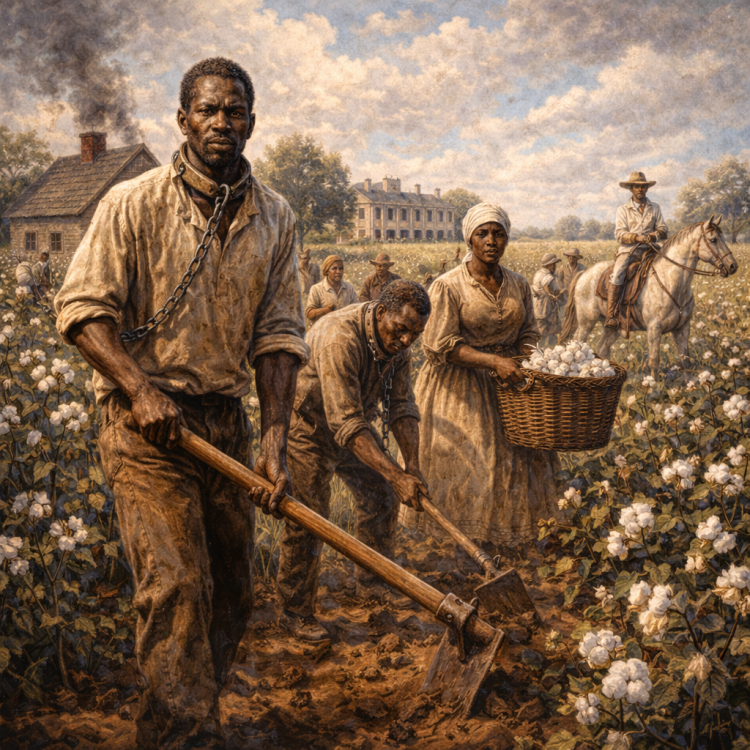
Slavery was deeply embedded in colonial society, particularly in the Southern colonies. Enslaved Africans performed agricultural labour, domestic work, and skilled trades, while resisting bondage through cultural preservation and rebellion.
At the same time, European expansion led to violent displacement of Native American nations, as land conflicts intensified through warfare, treaties, and forced migration.
Road to the American Revolution
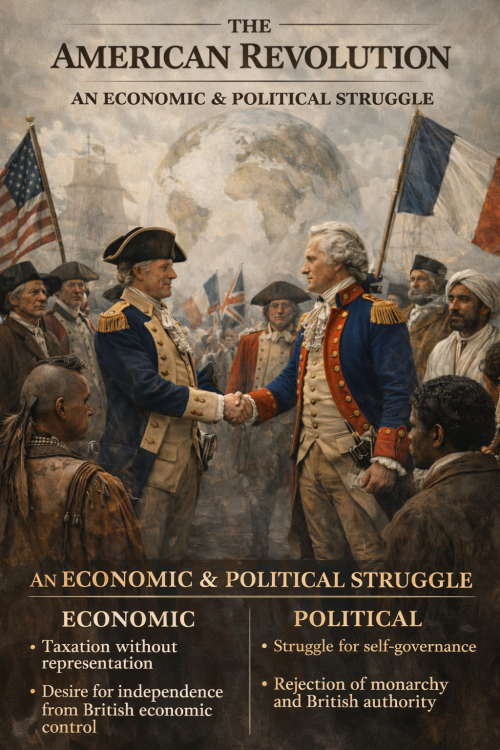
Tensions between Britain and the colonies increased after the French and Indian War (1754–1763). British efforts to raise revenue through taxes such as the Stamp Act and Townshend Acts met with strong colonial opposition.
Ideas from the Enlightenment, including natural rights and representative government, spread widely through pamphlets and newspapers, shaping revolutionary ideology.
The American Revolution
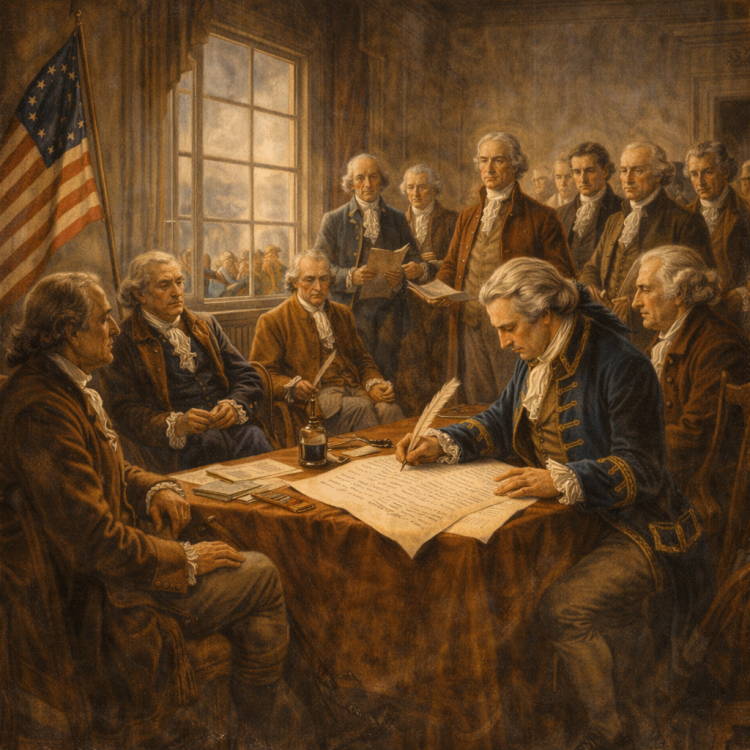
The American Revolutionary War (1775–1783) transformed the colonies into a unified political force. Following years of conflict, the Declaration of Independence in 1776 formally severed ties with Britain.
Victory was achieved with crucial assistance from France, leading to recognition of American independence in the Treaty of Paris (1783).

Creating a New Nation
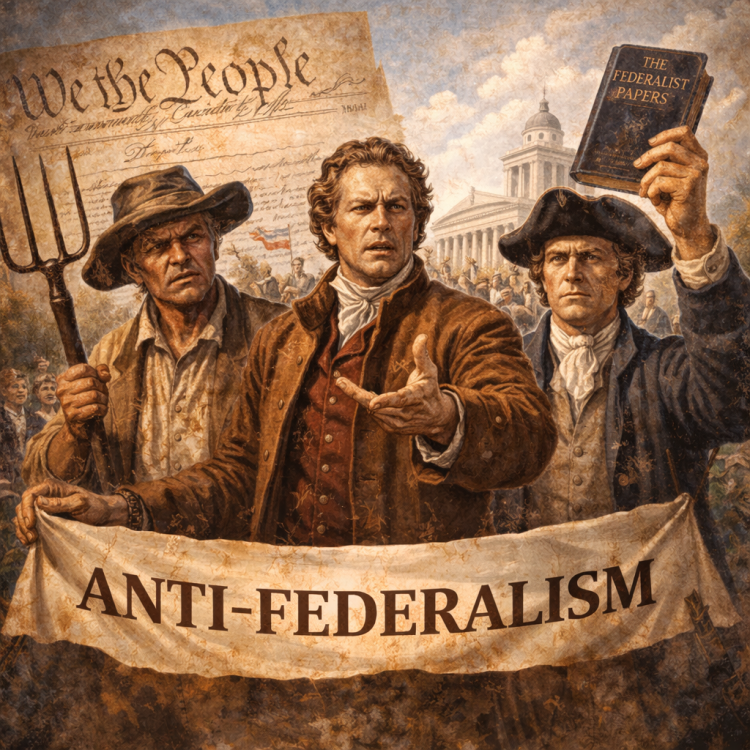
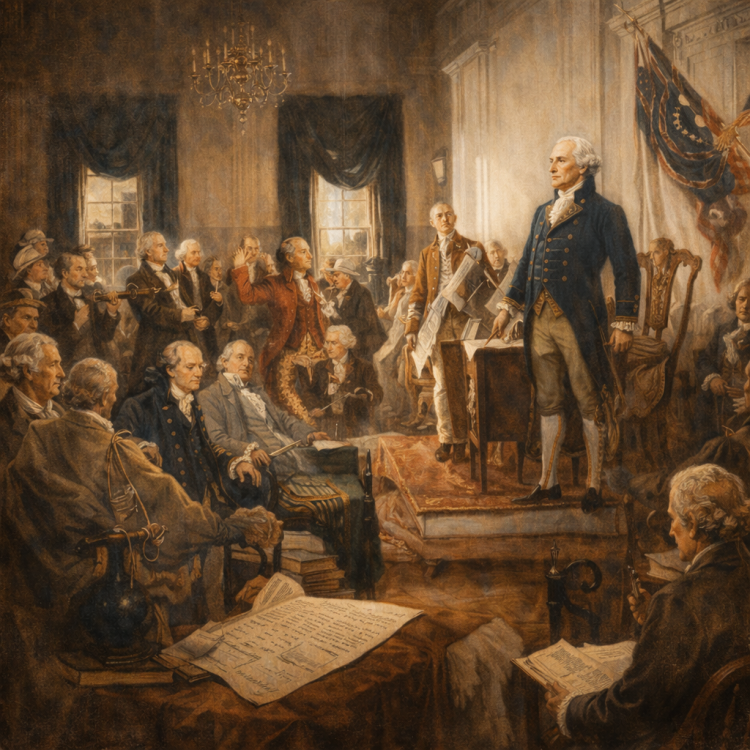
After independence, Americans faced the challenge of building a stable government. The Articles of Confederation proved too weak, prompting the drafting of the United States Constitution in 1787.
The ratification of the Bill of Rights ensured protections for individual liberties and established a lasting framework for American governance.
Conclusion
18th century America was defined by conflict, innovation, and ideological change. From colonial dependence to revolutionary independence, the century laid the foundations of American political culture, social structure, and national identity. Its legacy continues to shape the institutions and values of the modern United States.
“The events of the 18th century set the stage for the political struggles, territorial expansion, and social conflicts that would define 19th-century America.”
❓ 18th Century America — Frequently Asked Questions
What defined life in 18th century America?
Life was shaped by agriculture, religion, and community ties. Most people lived in rural areas, relied on family labor, and had limited access to formal education or healthcare.
Why were the American colonies economically important?
The colonies supplied raw materials such as tobacco, timber, and rice to Europe while serving as markets for manufactured goods under the system of mercantilism.
How did slavery shape colonial society?
Slavery was central to the economy of the Southern colonies. Enslaved Africans provided labor that generated enormous wealth while enduring violent oppression and resisting through culture, family, and rebellion.
What was the Great Awakening?
The Great Awakening was a series of religious revivals in the 1730s–1740s that emphasized personal faith and challenged traditional authority, influencing later revolutionary ideas.
Why did tensions with Britain increase?
After the French and Indian War, Britain imposed new taxes and regulations. Colonists resisted what they saw as taxation without representation.
How did the century end for America?
The century ended with independence, the ratification of the U.S. Constitution, and the creation of a new republican form of government.
🧠 18th Century America — Knowledge Quiz
Test your understanding of colonial America, economic systems, and the road to independence. Click Submit to reveal answers — green = correct, red = incorrect.
📚 Glossary: 18th Century America
Mercantilism
An economic system where colonies supplied raw materials to the mother country in exchange for manufactured goods.
Great Awakening
A religious revival movement that emphasized personal faith and challenged established churches.
Enlightenment
An intellectual movement promoting reason, natural rights, and representative government.
Stamp Act
A 1765 British tax on printed materials that sparked widespread colonial resistance.
Articles of Confederation
The first U.S. governing framework, later replaced due to its weak central authority.
Treaty of Paris (1783)
The agreement that formally ended the American Revolutionary War and recognized U.S. independence.