


The history of the United States spans more than five centuries, shaped by exploration, colonization, revolution, expansion, conflict, reform, and global influence. To better understand this long and complex story, historians divide American history into broad time periods, each defined by distinctive political, social, economic, and cultural developments.
This American History Timeline organizes U.S. history from the 16th century to the present day, providing a clear framework for exploring how early colonial societies evolved into a modern global power. Each linked timeline focuses on a specific era, highlighting key events, movements, and turning points that shaped the nation during that period.
Rather than presenting a single uninterrupted list of dates, this hub page serves as a gateway to American history by era, allowing readers to explore each period in depth through dedicated timeline articles.
How to Use This Timeline
Each timeline page below examines a distinct period in American history and includes:
- Major political events and conflicts
- Social and cultural change
- Economic development and transformation
- Long-term historical significance
Taken together, these timelines provide a chronological structure for understanding how historical forces unfolded over time and how earlier events influenced later developments.
🗺️ Click to Reveal: American History by Era
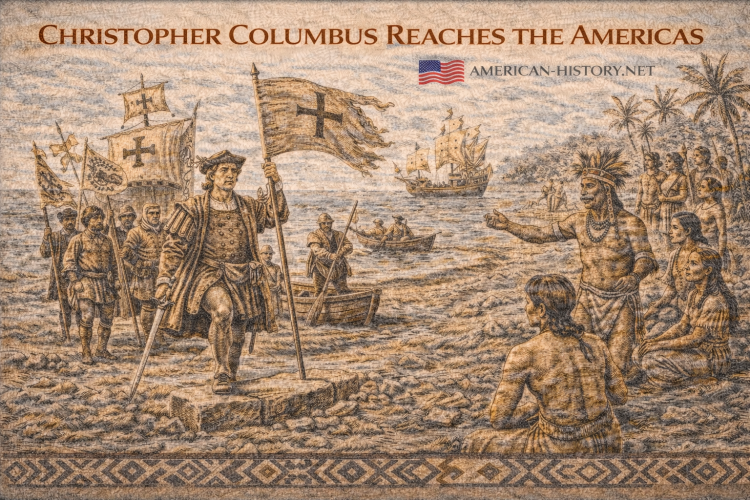
1500–1700 — Exploration, Colonization, and First Contact
European exploration, early settlements, Indigenous societies, and the foundations of colonial America shaped by trade, conflict, and cultural exchange.
1700–1800 — Revolution and the Birth of the United States
Colonial resistance, the American Revolution, independence from Britain, and the creation of the Constitution and early republic.
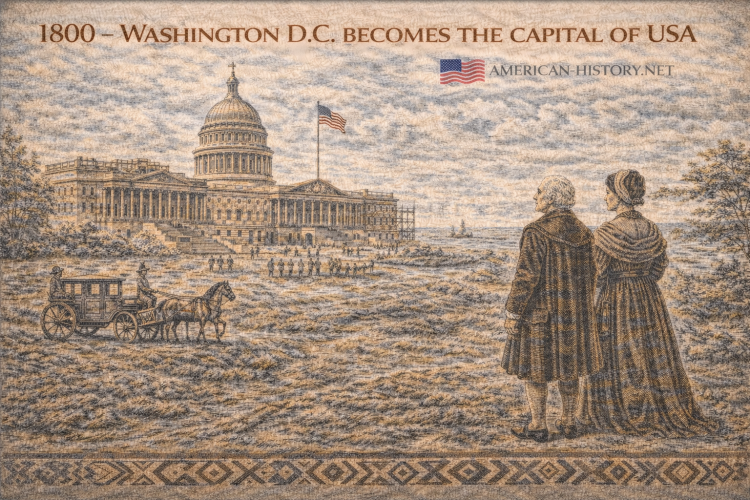
1800–1900 — Expansion, Civil War, and Industrialization
Westward expansion, sectional conflict, the Civil War, Reconstruction, mass immigration, and the rise of industrial America.
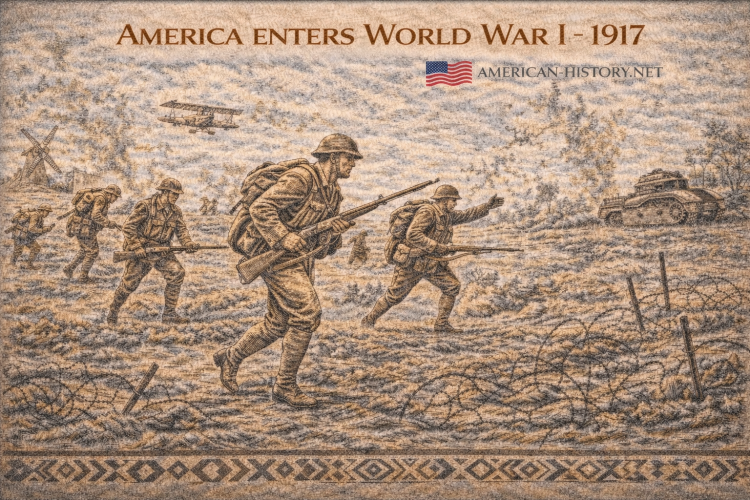
1900–2000 — World Wars, Reform, and Global Power
Defined by global conflict, economic crisis, social reform, civil rights movements, technological change, and Cold War politics.
2000–Present — The Digital Age and Contemporary America
The early 21st century marked by globalization, digital technology, terrorism and security concerns, political polarization, and rapid social change.
Explore the American History Timeline
- American History Timeline: 1500–1700 — Exploration, colonization, and Indigenous societies
- American History Timeline: 1700–1800 — Revolution, independence, and nation-building
- American History Timeline: 1800–1900 — Expansion, Civil War, and industrial America
- American History Timeline: 1900–2000 — War, reform, and the rise of global power
- American History Timeline: 2000–Present — The digital age and contemporary United States
Each timeline is designed to stand on its own while contributing to a broader understanding of American history as a continuous and evolving process.
Why This Timeline Matters
Viewing American history through clearly defined eras helps reveal patterns of continuity and change over time. By examining each period separately, readers can better understand how political institutions, social values, economic systems, and cultural identities developed—and how the past continues to shape the present.
This timeline provides a structured, accessible way to explore American history from its earliest encounters to the modern day.