The period from 2000 to the present marks one of the most transformative eras in American history. Defined by rapid technological change, global conflict, economic upheaval, and deep political polarization, the early 21st century reshaped how Americans live, work, communicate, and understand their role in the world. Events during this period unfolded at unprecedented speed, often driven by digital technology and globalization, while long-standing debates over democracy, equality, and national identity intensified.
This timeline highlights the major events, movements, and turning points that have shaped the United States since the year 2000.
🕊️ Click to Reveal: American History (2000–Present)
2000 — Contested Presidential Election
The election between George W. Bush and Al Gore resulted in a disputed vote count in Florida. The Supreme Court decision in Bush v. Gore effectively determined the outcome, highlighting the role of the judiciary in modern American democracy.
2001 — September 11 Terrorist Attacks
Terrorist attacks on New York City and Washington, D.C. killed nearly 3,000 people and reshaped U.S. foreign and domestic policy. The attacks led to the War on Terror and expanded security measures.
2003 — Iraq War Begins
The United States invaded Iraq, citing national security concerns. Although the Iraqi government was quickly overthrown, the conflict evolved into a prolonged war that deeply influenced U.S. politics and global relations.
2008 — Financial Crisis and Election of Barack Obama
The Great Recession triggered widespread unemployment and economic instability. That same year, Barack Obama was elected president, becoming the first African American to hold the office.
2010s — Social Movements and Reform
The decade saw major movements addressing economic inequality, racial justice, and civil rights. In 2015, the Supreme Court legalized same-sex marriage nationwide.
2016 — Political Polarization and Populism
The election of Donald Trump reflected growing political polarization and the rise of populist movements, reshaping political discourse and party alignment.
2020 — COVID-19 Pandemic
The global COVID-19 pandemic caused widespread loss of life, economic disruption, and changes to daily life, while accelerating trends in remote work, digital communication, and government intervention.
2021–Present — Democracy and the Digital Age
Events such as the January 6 Capitol attack, debates over voting rights, rapid advances in artificial intelligence, and global challenges like climate change continue to shape contemporary American history.
2000–2001: A New Millennium and a Contested Election
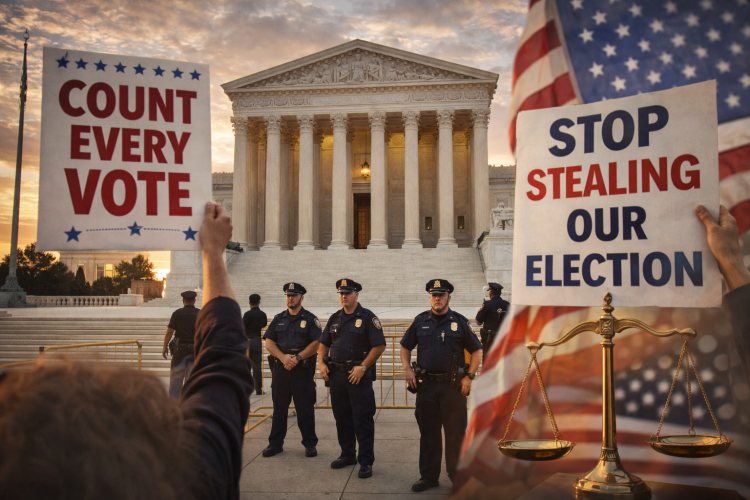
The year 2000 began with optimism surrounding a new millennium, but political uncertainty soon followed. The presidential election between George W. Bush and Al Gore resulted in one of the closest and most disputed elections in U.S. history. Legal challenges over ballot counts in Florida ultimately led the Supreme Court to intervene in Bush v. Gore, effectively deciding the election.
This moment highlighted the importance of electoral systems, judicial authority, and constitutional processes in modern American democracy.
2001: September 11 and the War on Terror
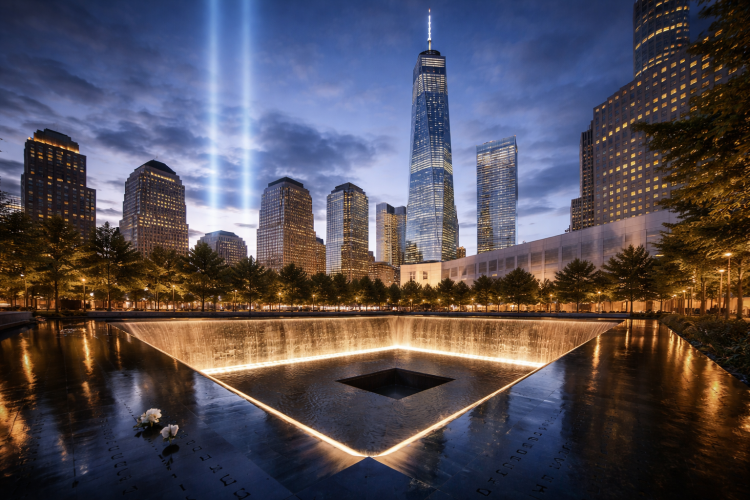
On September 11, 2001, terrorist attacks carried out by al-Qaeda targeted New York City and Washington, D.C., killing nearly 3,000 people. The attacks profoundly altered American foreign and domestic policy.
In response, the United States launched the War on Terror, beginning with the invasion of Afghanistan to dismantle terrorist networks. Congress passed the USA PATRIOT Act, expanding government surveillance powers in the name of national security. These actions sparked ongoing debates over civil liberties, privacy, and the balance between security and freedom.
2003–2011: War in Iraq and Global Conflict
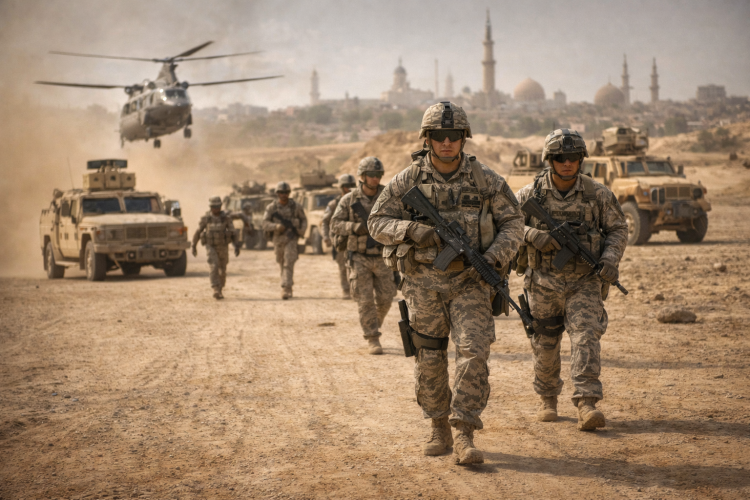
In 2003, the United States invaded Iraq, citing concerns over weapons of mass destruction and links to terrorism. Although Saddam Hussein’s regime was quickly overthrown, the conflict evolved into a prolonged war marked by insurgency, instability, and significant loss of life.
The Iraq War deeply divided American public opinion and influenced political discourse for years. In 2011, U.S. forces withdrew from Iraq, while the same year saw the killing of Osama bin Laden, symbolizing a major milestone in the War on Terror.
2008–2009: Financial Crisis and Political Change
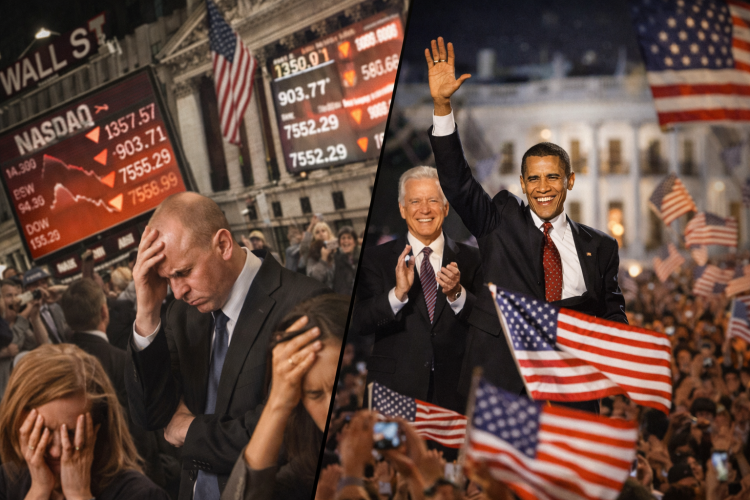
The Great Recession of 2008 represented the most severe economic downturn since the Great Depression. Triggered by the collapse of the housing market and financial institutions, the crisis resulted in massive job losses, home foreclosures, and government bailouts.
Amid this turmoil, Barack Obama was elected president in 2008, becoming the first African American president in U.S. history. His election reflected demographic change and widespread desire for political reform.
2010–2016: Social Change and Political Polarization
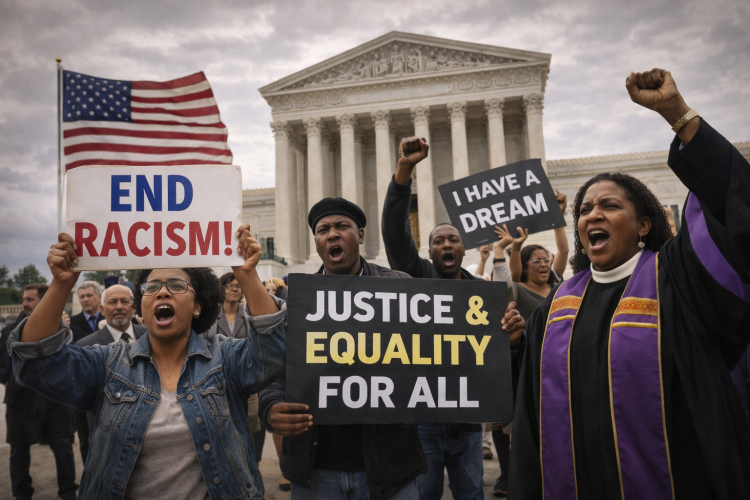
The 2010s were marked by major social movements and increasing political division. The Affordable Care Act expanded healthcare access, while movements such as Occupy Wall Street highlighted economic inequality.
The Black Lives Matter movement, emerging in response to police violence, sparked nationwide protests and conversations about race, justice, and policing. In 2015, the Supreme Court legalized same-sex marriage nationwide, reflecting shifting social attitudes.
2016–2020: Populism, Pandemic, and Crisis
The election of Donald Trump in 2016 signaled a rise in populist politics and deepened partisan divides. His presidency focused on immigration, trade, deregulation, and an “America First” foreign policy.
In 2020, the COVID-19 pandemic caused widespread illness, economic disruption, and social upheaval. Emergency public health measures, economic stimulus programs, and debates over government authority reshaped daily life. That same year, the presidential election occurred amid unprecedented conditions.

2021–Present: Democracy, Technology, and Global Challenges
The January 6, 2021, attack on the U.S. Capitol underscored tensions surrounding democratic norms and political legitimacy. In the years since, debates over voting rights, misinformation, and civic trust have remained central.
At the same time, rapid advances in artificial intelligence, social media, and digital communication continue to transform the economy and culture. International challenges—including climate change, geopolitical competition, and global conflicts—shape America’s role in an interconnected world.
An Ongoing History
Unlike earlier periods, the history of the 21st-century United States is still unfolding. The events of the past two decades reveal patterns of rapid change, resilience, and conflict that will continue to shape the nation’s future. Understanding this era requires recognizing both its unprecedented challenges and its lasting historical significance.
❓ 21st Century America — Frequently Asked Questions
What defines American history since 2000?
The period is defined by global terrorism, digital technology, economic instability, and political polarization, all unfolding at unprecedented speed.
How did September 11 change the United States?
The attacks led to the War on Terror, expanded national security powers, overseas military interventions, and long-term debates over civil liberties and privacy.
Why is the 2000 election historically significant?
The disputed election highlighted weaknesses in voting systems and reinforced the Supreme Court’s role in resolving constitutional crises.
What impact did the Great Recession have?
The 2008 financial crisis caused mass unemployment, housing foreclosures, and long-term distrust of financial institutions and government oversight.
Why is this period considered “unfinished history”?
Many of the political, technological, and social developments that began after 2000 are still evolving, making this era unique among American historical periods.
🧠 American History (2000–Present) — Knowledge Quiz
Test your understanding of 21st-century American history. Click Submit to reveal answers — green = correct, red = incorrect.
📚 Glossary: 21st Century America
War on Terror
U.S.-led military and security campaigns launched after September 11, 2001.
Great Recession
The severe global economic downturn beginning in 2008 caused by financial instability.
Patriot Act
A 2001 law expanding government surveillance and security powers.
Political Polarization
Growing ideological division between political parties and voters.
Digital Age
The era defined by widespread use of the internet, social media, and digital technology.