
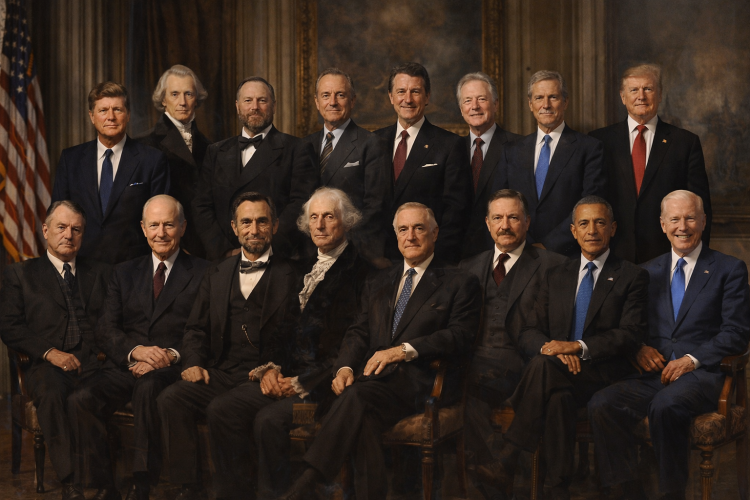
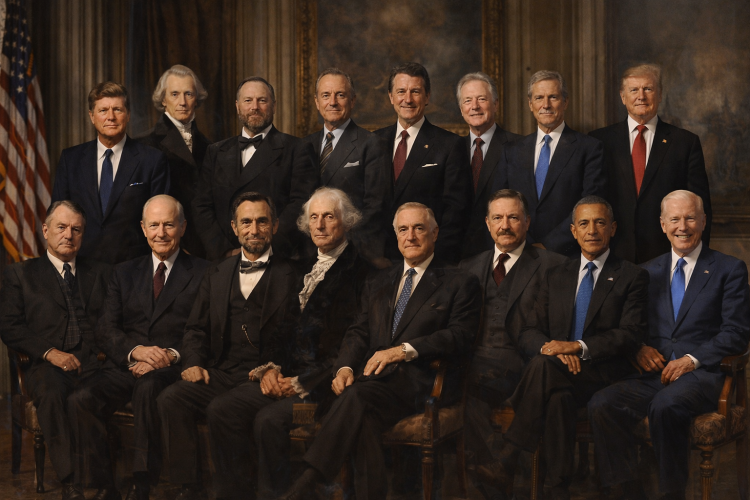
The President of the United States is one of the most powerful and influential political offices in the modern world. Since George Washington first took office in 1789, American presidents have shaped the nation’s government, laws, foreign policy, and military leadership, often during moments of profound crisis and change.
Across more than two centuries, the presidency has evolved alongside the country itself—expanding in authority, visibility, and global responsibility. Some presidents are remembered for preserving the Union, others for leading during war or economic collapse, and many for decisions that continue to shape American life today.
The Role of the President of the United States
The president serves as both head of state and head of government, combining ceremonial leadership with real executive power.
Key responsibilities include:
- Commander-in-Chief of the U.S. Armed Forces
- Chief Executive, enforcing federal laws
- Chief Diplomat, directing foreign policy and treaties
- Legislative Leader, proposing laws and vetoing legislation
- Party Leader, shaping political direction and public debate
Over time, the presidency has grown far beyond what the Founders originally imagined, particularly during periods of war, economic crisis, and global conflict.
U.S. Presidents with Military Service
Discover the presidents who earned national recognition through military leadership, battlefield experience, and wartime command before or during their presidency.
See Presidents with Military Service →The Founding Fathers and the Presidency
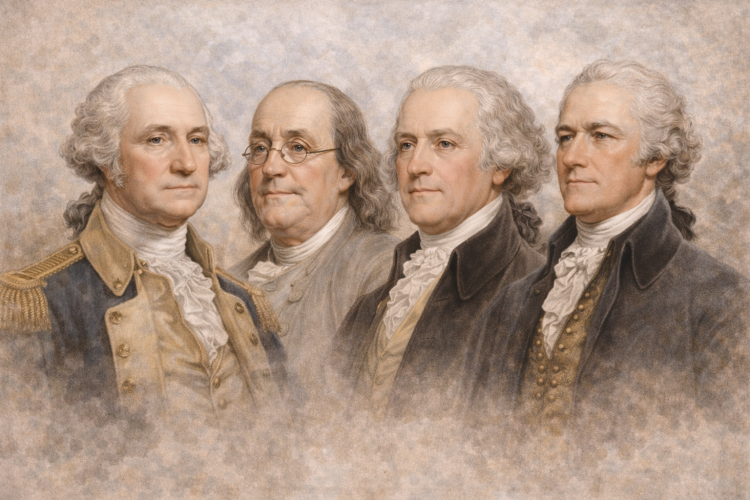
Many of the early presidents were also Founding Fathers—men who helped create the nation before leading it.
Notable Founding Fathers who became president include:
- George Washington – Established the norms of the presidency
- John Adams – Guided the young republic through diplomatic tension
- Thomas Jefferson – Expanded the nation through the Louisiana Purchase
- James Madison – Led during the War of 1812
- James Monroe – Defined U.S. foreign policy with the Monroe Doctrine
Their presidencies helped define the constitutional limits, traditions, and expectations of executive power.
Founding Fathers Who Became Presidents
Learn about the Founding Fathers who shaped the birth of the nation and later served as President of the United States, including Washington, Adams, Jefferson, Madison, and Monroe.
Explore Founding Father Presidents →Influential American Presidents
Throughout U.S. history, certain presidents shaped the nation in lasting ways through war leadership, constitutional change, economic reform, and global influence.
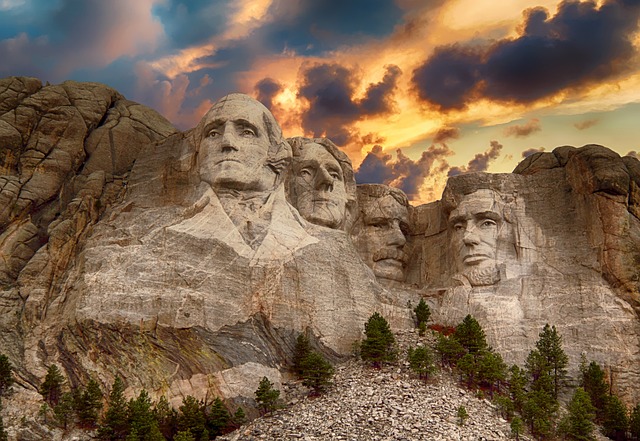
First President · Set democratic precedents Thomas Jefferson
Louisiana Purchase · Expanded the nation Abraham Lincoln
Civil War leadership · Ended slavery Theodore Roosevelt
Progressive reforms · Conservation Franklin D. Roosevelt
Great Depression · World War II
Explore the complete directory of U.S. Presidents to learn how each leader shaped American history.
Controversial and Challenging Presidencies
Not all presidencies are remembered positively. Some were marked by division, ineffective leadership, or policies that deepened national crises.
Examples include:
- James Buchanan, whose inaction worsened sectional tensions before the Civil War
- Andrew Johnson, whose Reconstruction policies undermined civil rights
- Warren G. Harding, whose administration was plagued by corruption scandals
- Herbert Hoover, whose response to the Great Depression drew widespread criticism
Understanding these presidencies helps explain how leadership decisions can intensify or ease national hardship.
Presidents as Military Leaders
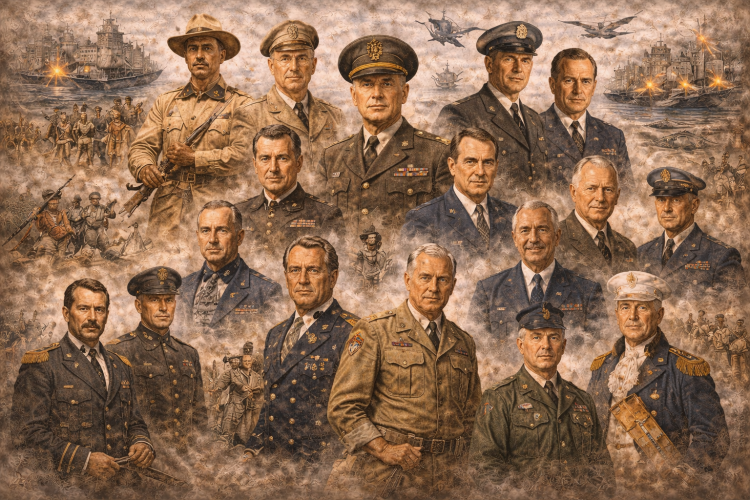
Several U.S. presidents earned national recognition through military service, wartime leadership, and command experience before or during their presidencies.
Commander-in-Chief · Revolutionary War Andrew Jackson
War of 1812 · Battle of New Orleans Ulysses S. Grant
Union General · Civil War victory Theodore Roosevelt
Rough Riders · Spanish-American War Dwight D. Eisenhower
Supreme Allied Commander · WWII
These presidents translated battlefield leadership into executive authority, shaping U.S. military and foreign policy.
👉 Explore more: American Presidents Who Served in the Military
Explore Every U.S. President
From the nation’s founding to the present day, every president reflects a specific moment in American history—its values, conflicts, and ambitions.
All U.S. Presidents: Biographies & Timelines
Explore a complete chronological list of every U.S. president, featuring brief biographies, terms in office, and key historical context from George Washington to the present day.
View all U.S. Presidents →👉 Browse the complete directory:
All U.S. Presidents (1789–Present): Biographies
This reference page allows you to explore each president individually, with dedicated pages covering their lives, terms in office, and historical significance.
Why the Presidency Matters
The history of American presidents is ultimately the history of the United States itself. Each administration reflects how the nation has responded to challenges such as:
- Slavery and civil rights
- Economic booms and depressions
- War and peace
- Expansion and globalization
By studying the presidency, we gain insight into how leadership, power, and democracy have evolved—and how past decisions continue to influence the present.