
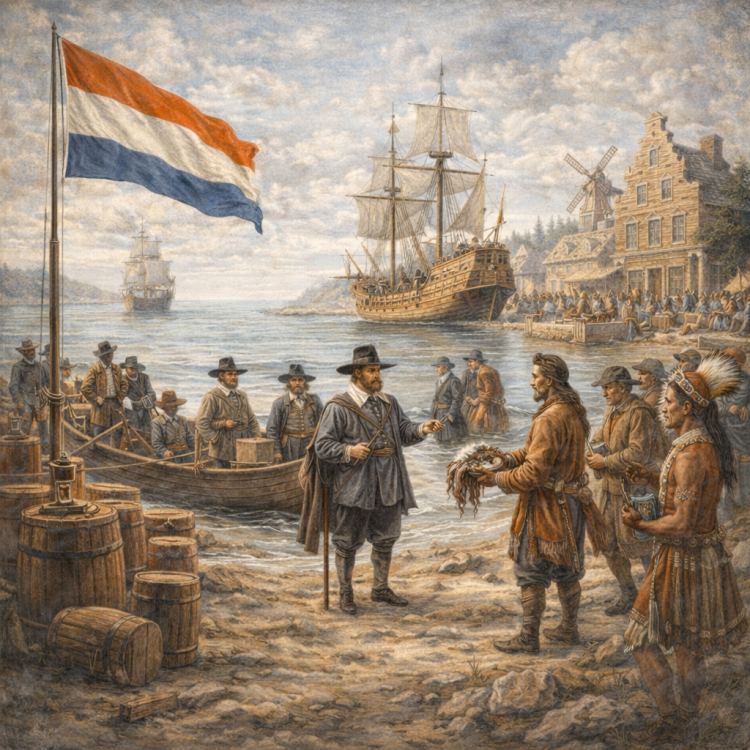


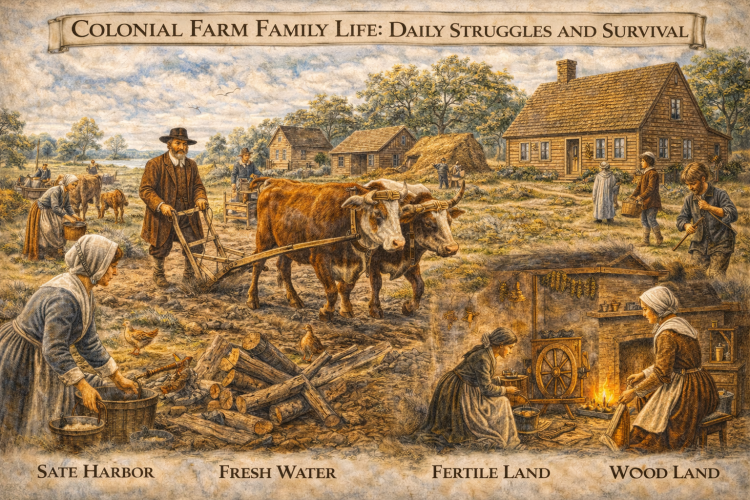
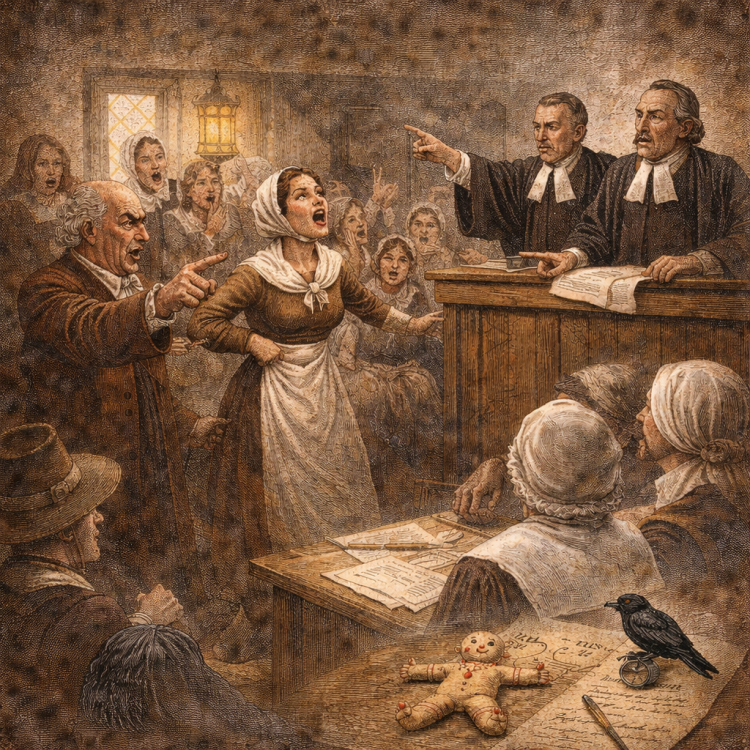
The Colonial Period in American history marks the era when European powers established permanent settlements in North America, reshaping the continent’s political, economic, and cultural future. Beginning in the early seventeenth century, colonization introduced new systems of government, trade, religion, and social hierarchy, while profoundly disrupting the lives of Native American peoples who had inhabited the land for thousands of years.
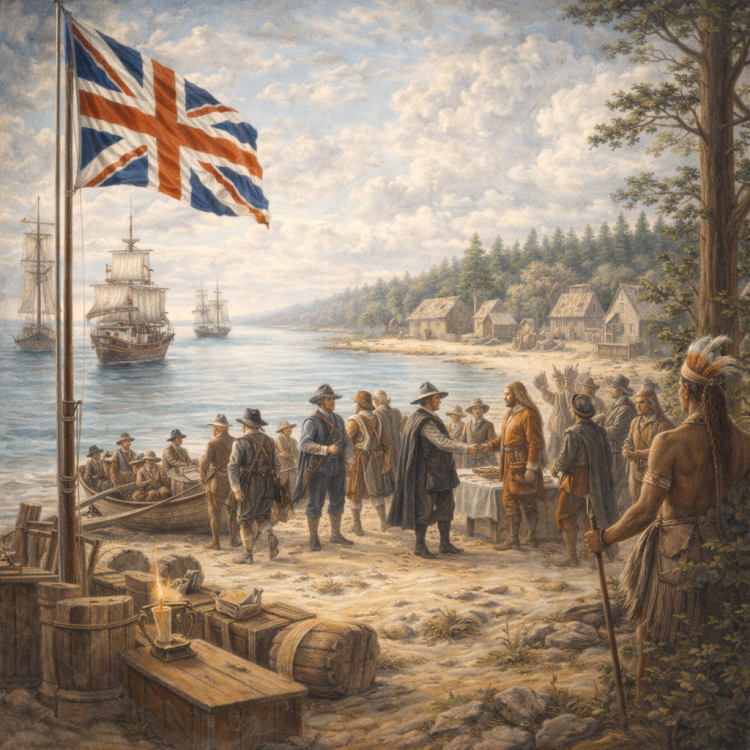
European nations were motivated by a combination of economic ambition, religious belief, political rivalry, and the pursuit of land. While colonization followed different paths depending on the empire involved, the shared result was the gradual transformation of North America into a contested colonial world dominated by European interests.
🇺🇸 Click to Reveal: The American Colonial Period
Why Europeans Colonised America
European powers sought wealth, land, trade routes, and religious influence, driving colonisation across North America.
British Colonial Goals
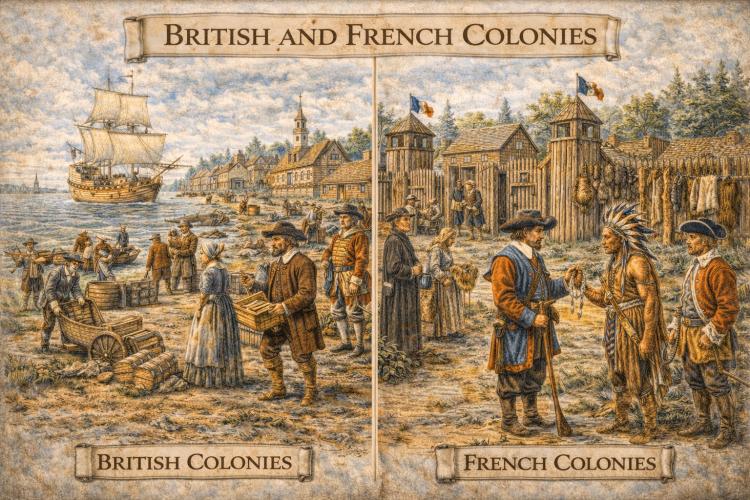
British colonies focused on permanent settlement, farming, and local self-government along the Atlantic coast.
French Colonisation
France concentrated on fur trading networks and alliances with Native American tribes in Canada and the Mississippi Valley.
Spanish Expansion
Spanish colonisation emphasized conquest, Catholic missions, and resource extraction in the Americas.
Impact on Native Americans
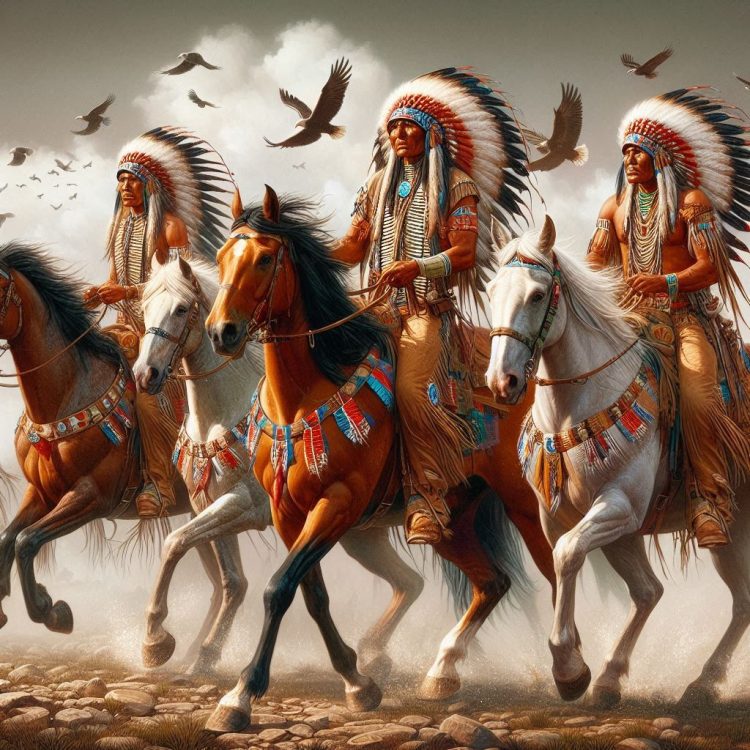
Colonisation caused displacement, disease, warfare, and cultural disruption for Indigenous peoples.
Life in the Colonies
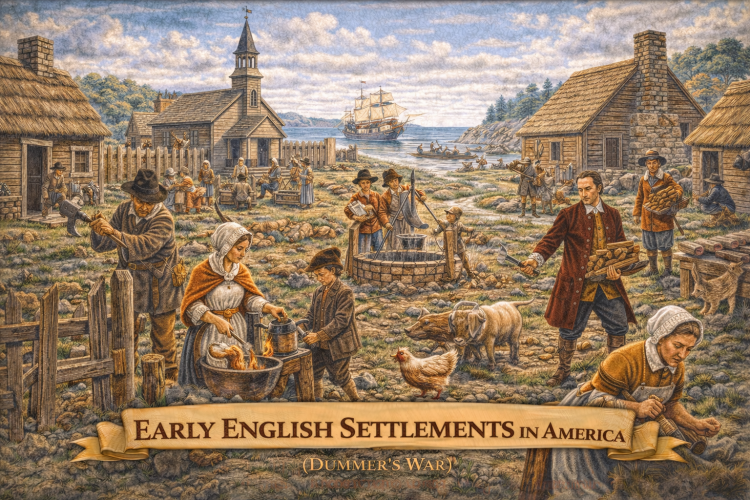
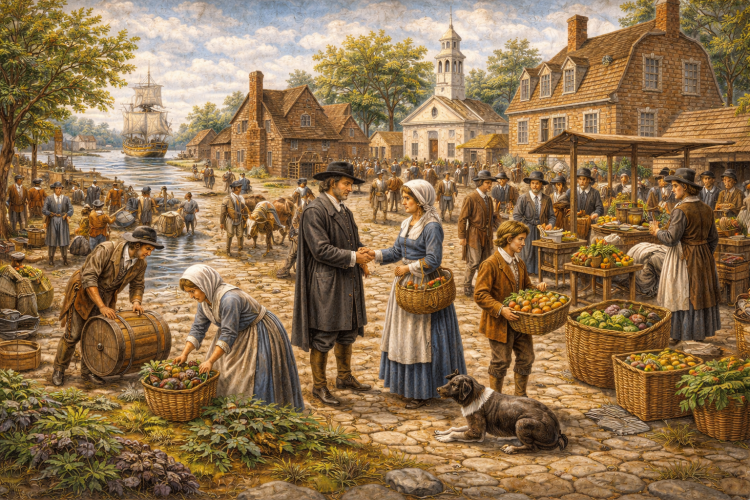
Daily life was shaped by hard labour, religion, social hierarchy, and local laws.
Conflict Between Empires
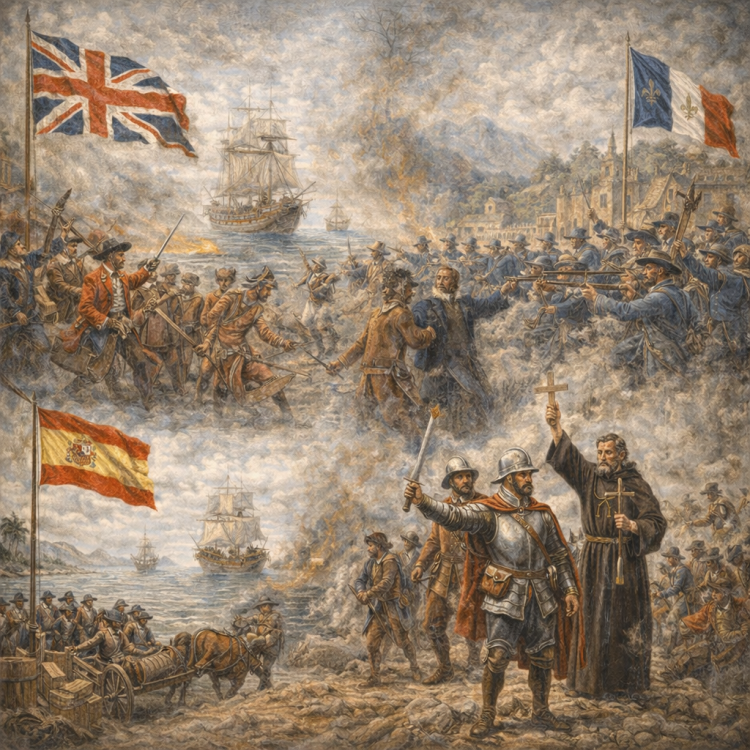
European rivals fought over territory, trade routes, and political dominance in North America.
The Road to Revolution
Shared resistance to British taxation and imperial control united the colonies and led toward independence.
Why Europe Colonized the Americas
Colonization was not driven by a single goal. Instead, European powers pursued multiple objectives that shaped how their colonies developed.
The primary motivations for colonization included:
- Economic gain, particularly access to natural resources and trade profits
- Territorial expansion to increase imperial power and influence
- Religious missions, especially the spread of Christianity
- Political competition between rival European empires
- Opportunities for settlement, land ownership, and social advancement
These motives often overlapped, creating colonies that blended trade, conquest, settlement, and religious authority.
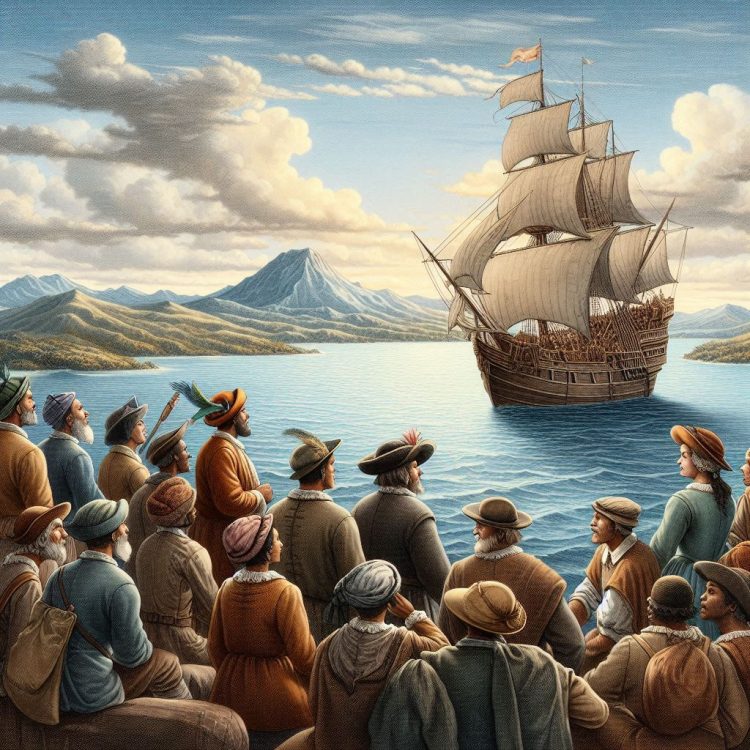
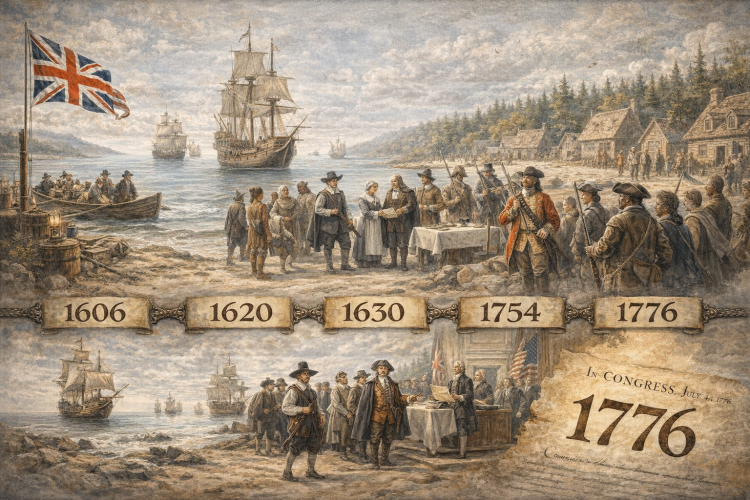
🇺🇸 Timeline of the American Colonial Period
- 1492 – Christopher Columbus’s voyage opens sustained European contact with the Americas.
- 1565 – Spain establishes St. Augustine, the first permanent European settlement in what is now the United States.
- 1607 – England founds Jamestown, Virginia, its first permanent North American colony.
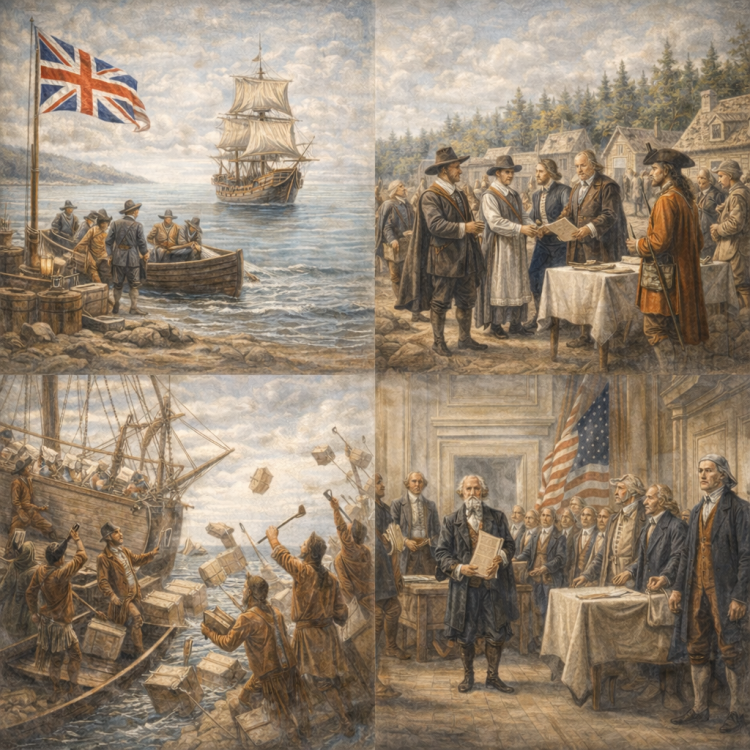
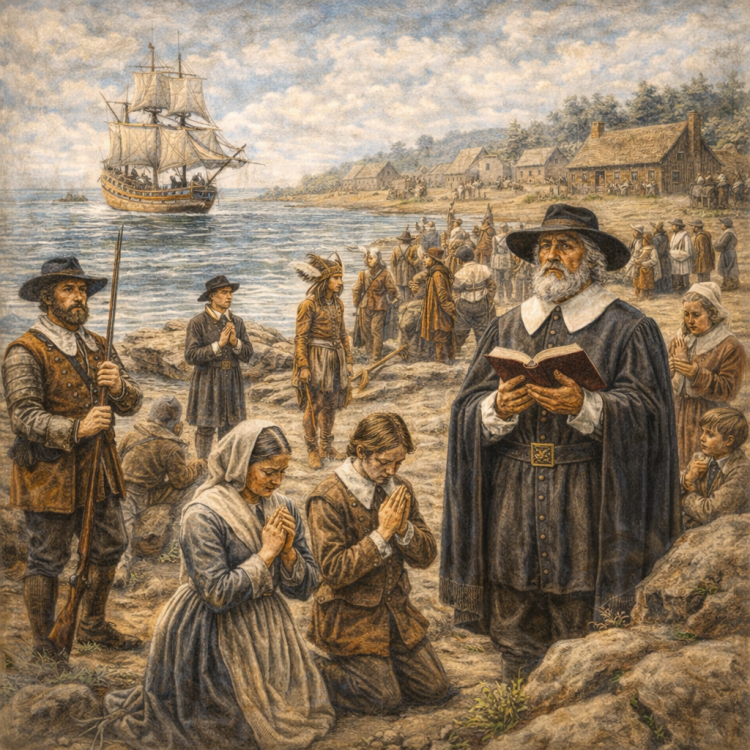
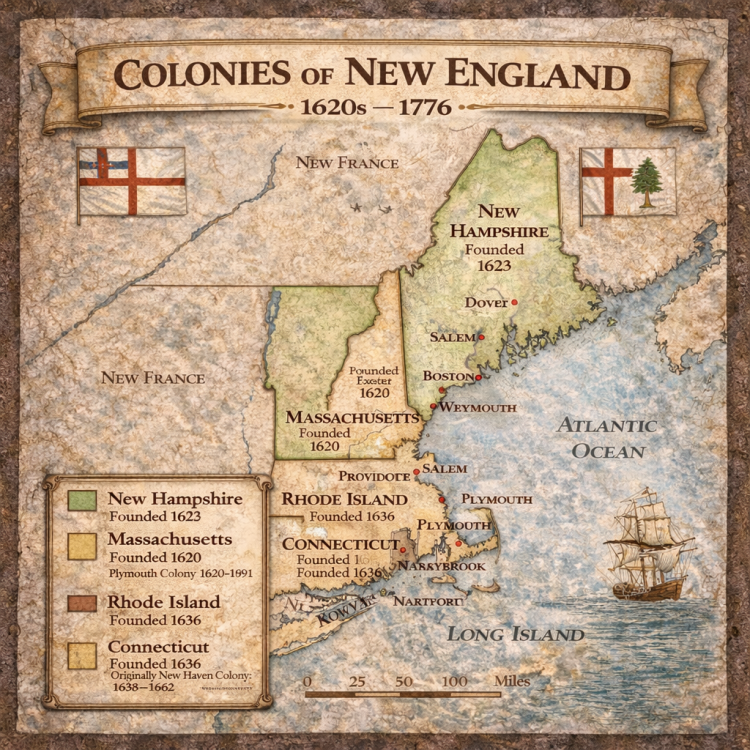
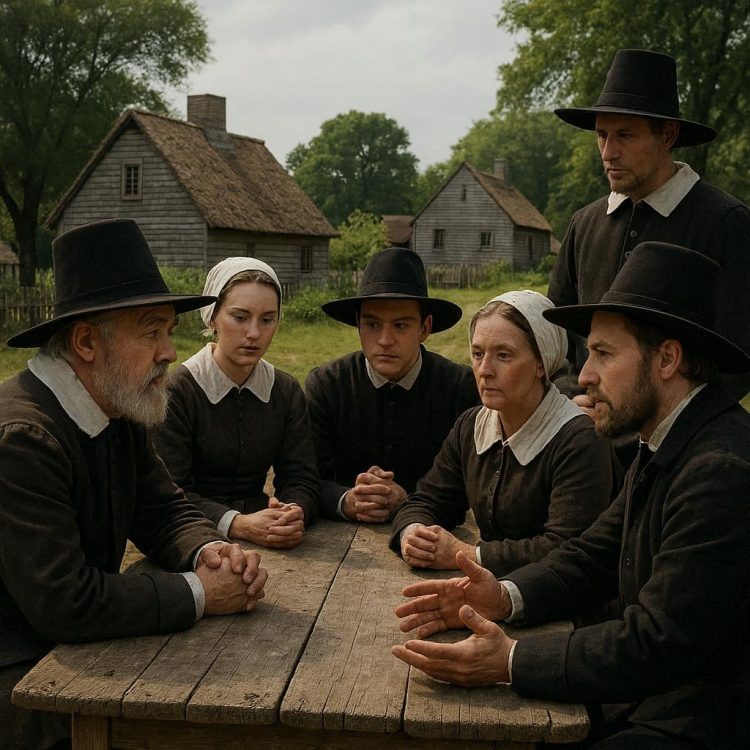
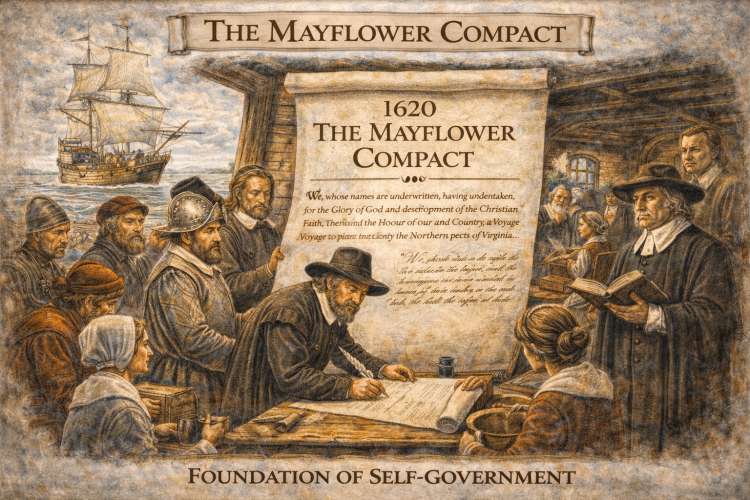
- 1620 – The Pilgrims establish Plymouth Colony seeking religious freedom.
- 1650–1700 – British, French, and Spanish colonies expand; trade, agriculture, and slavery increase.
- 1754–1763 – The French and Indian War reshapes colonial power and increases British debt.
- 1765–1775 – Rising tensions over taxation and British control unite the Thirteen Colonies.
- 1776 – The Declaration of Independence marks the end of the Colonial Period and the birth of the United States.
Early Challenges of Colonial Life
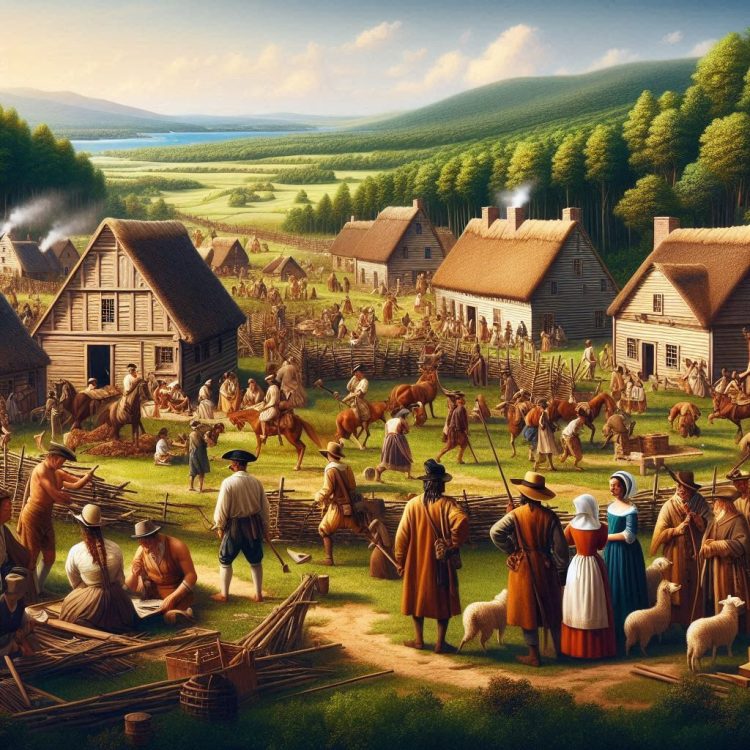
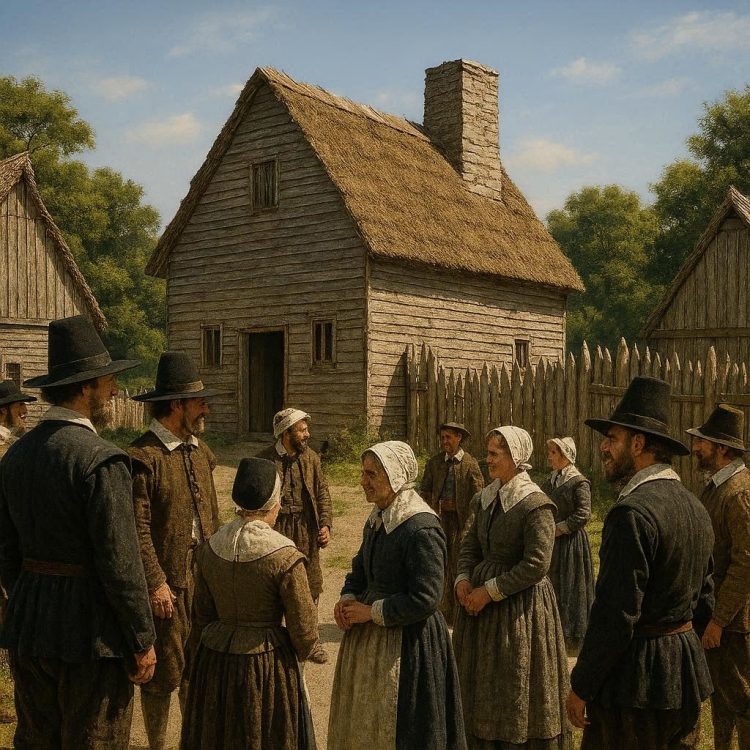
Life in the early colonies was harsh and uncertain. European settlers arrived in unfamiliar environments with limited knowledge of local geography, climate, and agriculture. Many early colonies struggled or collapsed due to starvation, disease, brutal winters, and poor planning.
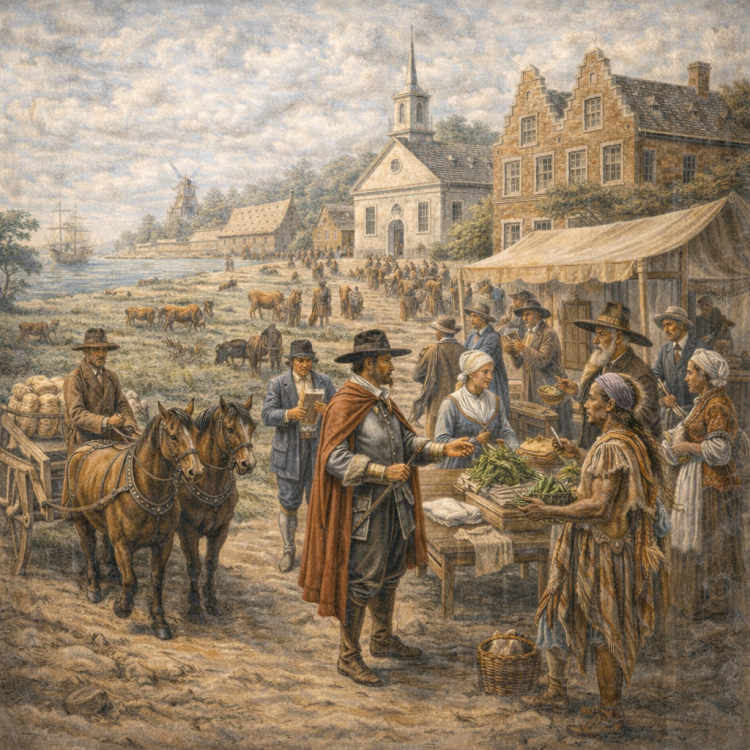
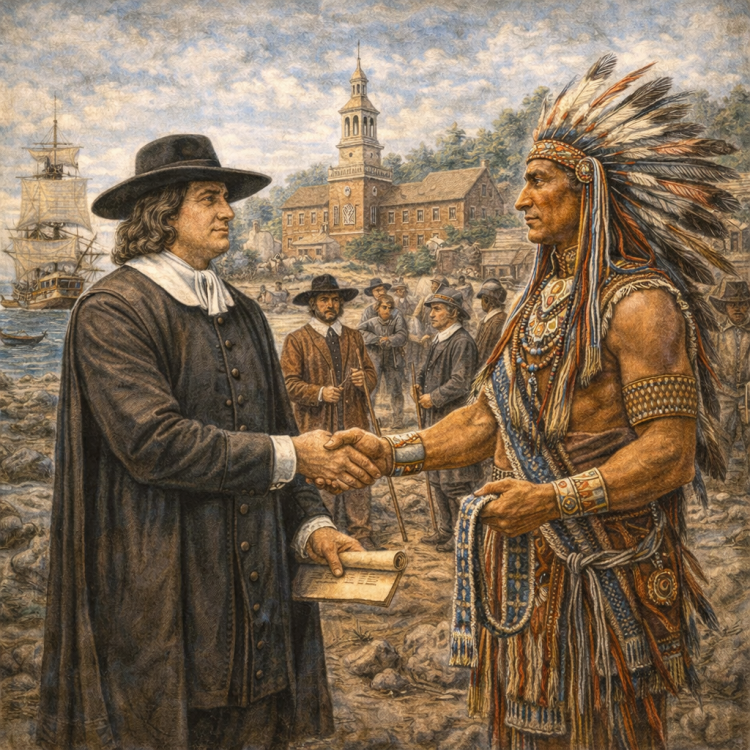
Relations with Native American tribes varied widely. While some groups traded and cooperated with settlers, others resisted European encroachment on their land, leading to violence and long-term conflict. Language barriers, cultural misunderstandings, and competition for resources further complicated these encounters.
Only after repeated failures did some colonies stabilize and grow into permanent settlements.
French Colonization in North America
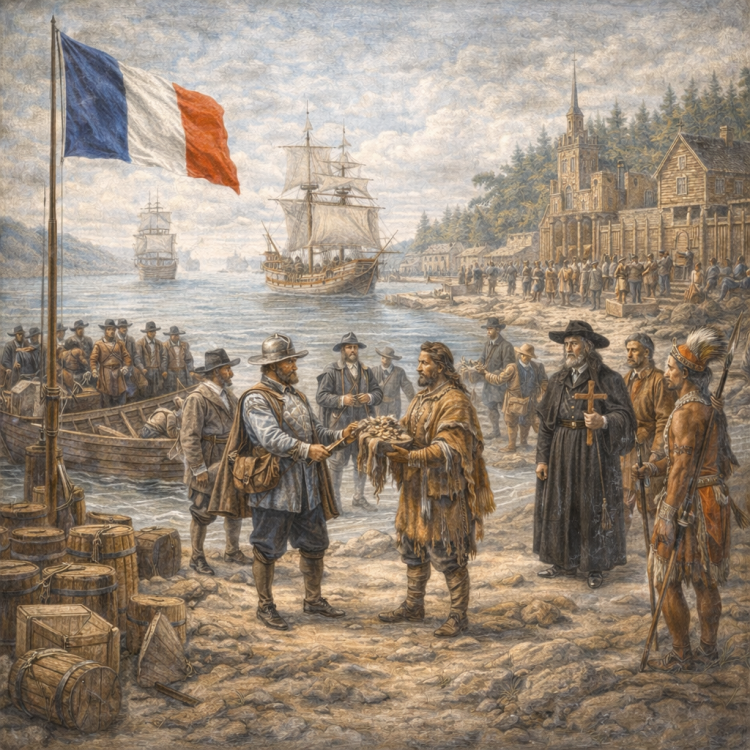
French colonization in the Americas became known as New France. Beginning in the seventeenth century, French explorers and settlers established colonies in Canada, Acadia, the Great Lakes region, and Louisiana.
Unlike other empires, the French focused less on large-scale settlement and more on trade, particularly the lucrative fur trade. They formed alliances with many Native American tribes, exchanging European goods for animal pelts. These relationships allowed French influence to spread deep into the interior of North America.
Spanish Colonization and Empire
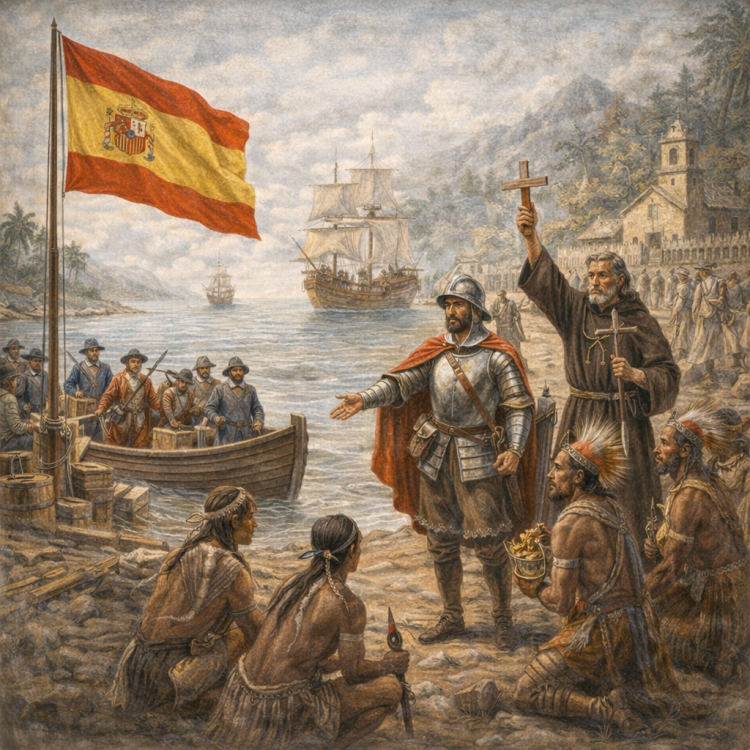
Spain was the first major European power to colonize the Americas, establishing an empire known as New Spain. Spanish conquistadors rapidly defeated the Aztec and Inca Empires, gaining immense wealth and control over vast territories.
Spanish colonies were centered in Central America and the Caribbean, before expanding northward into what are now Florida, Texas, New Mexico, Arizona, and California. Spanish rule combined military conquest, resource extraction, and the forced conversion of Indigenous peoples to Catholicism.
British Colonization and the Thirteen Colonies
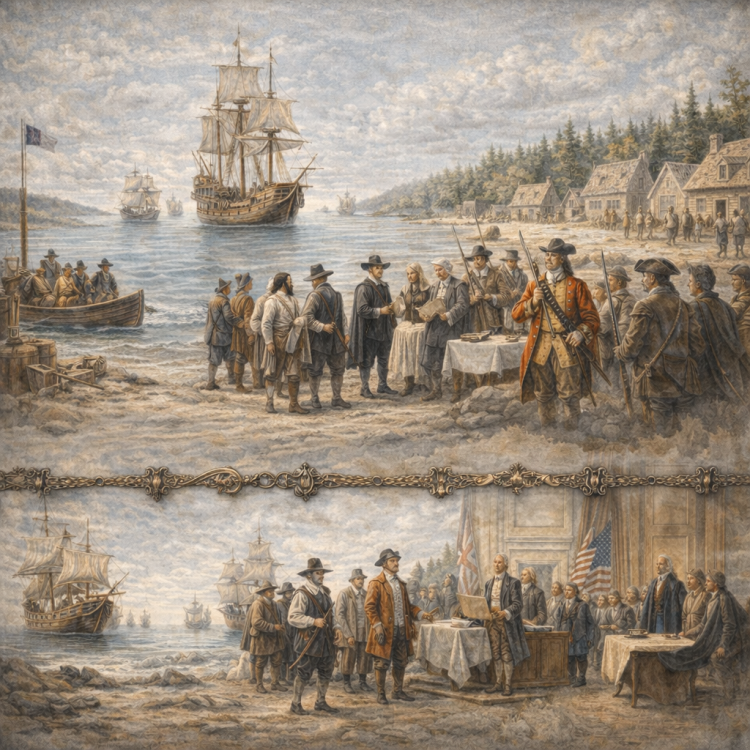
British colonization began in earnest during the seventeenth century. Early settlements such as Virginia were founded for economic purposes, while others, including Massachusetts, were established by groups seeking religious freedom.
Over time, British settlements expanded along the Atlantic coast. By the mid-eighteenth century, thirteen British colonies had formed, each with its own government but united by shared language, culture, and growing resentment toward British control.
These colonies developed strong local identities, laying the groundwork for political unity.
⚔️ Expansion, Conflict, and Colonial Warfare
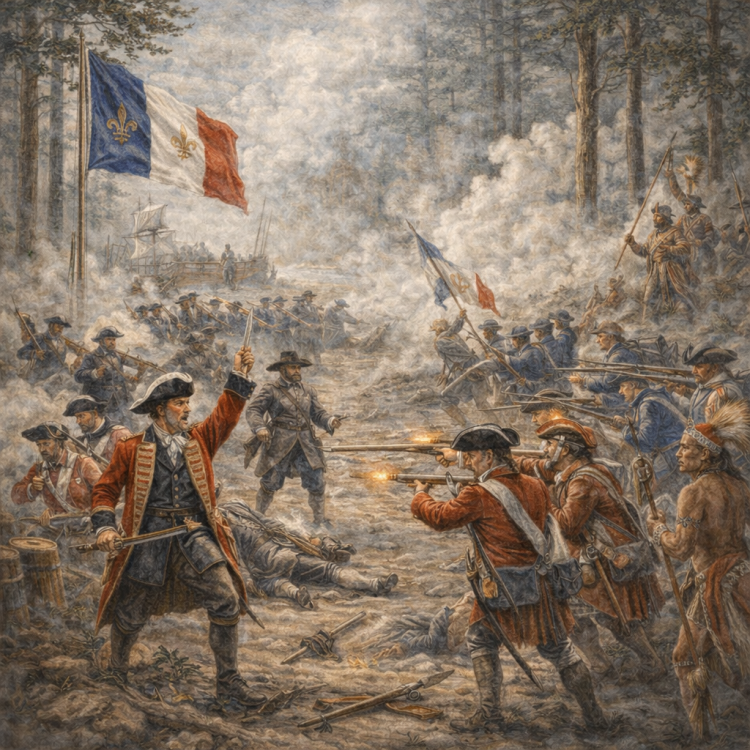
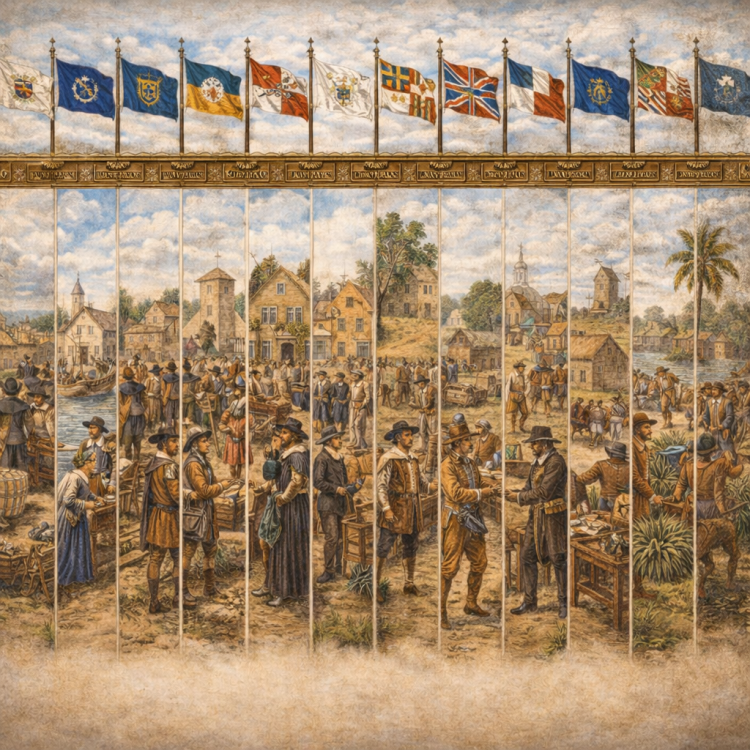
As European colonies expanded across North America, conflict became inevitable. Competition for land, power, and resources repeatedly drew colonies into violent struggles.
Colonial conflicts commonly involved:
- Rival European powers competing for territorial control
- Native American nations defending ancestral lands and sovereignty
- Inter-colonial disputes over borders, trade routes, and resources
European wars frequently spilled into the Americas, transforming colonial regions into frontlines of imperial conflict. Religious divisions—particularly between Catholic and Protestant empires—further intensified colonial warfare and rivalry.
Unification of the British Colonies
Initially, British colonies operated independently. Some were controlled by companies, others by individuals or directly by the Crown. Over time, shared military threats and economic interests encouraged cooperation.
In the eighteenth century, British attempts to increase taxation and control after costly wars angered colonists. These policies fostered a shared colonial identity rooted in resistance to imperial authority.
The Road to the American Revolution
By the 1760s, tensions between Britain and its colonies had reached a breaking point. New taxes and restrictions imposed without colonial representation sparked widespread opposition.
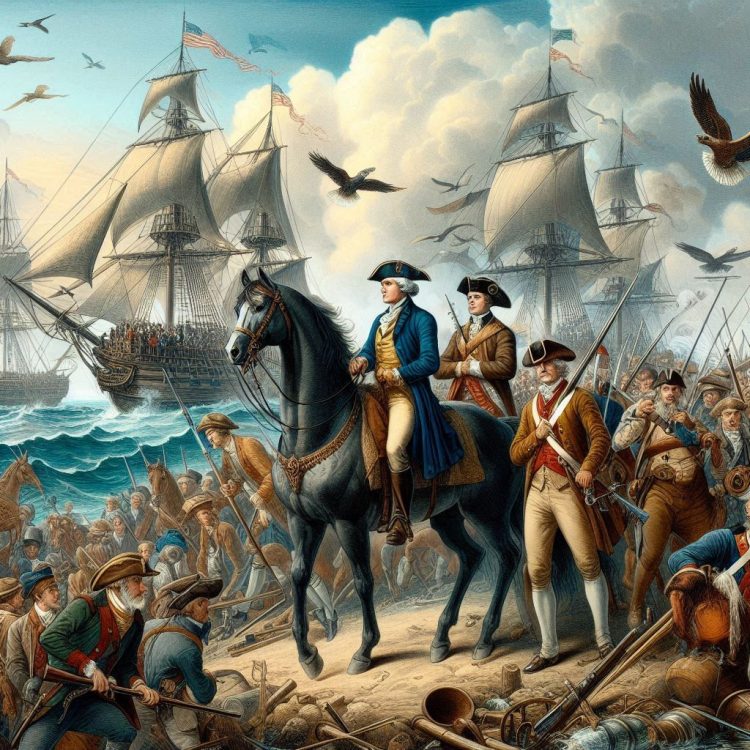
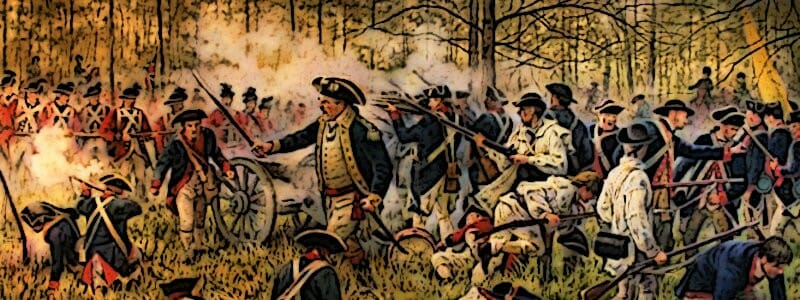
In 1775, armed conflict erupted, marking the beginning of the American Revolutionary War. Under the leadership of George Washington, the colonies eventually defeated British forces. In 1776, they declared independence, and by 1783, Britain formally recognized the United States of America.
The End of the Colonial Period
The success of the American Revolution effectively ended the Colonial Period in North America. The formation of the United States signaled the decline of European colonial rule on the continent, though Canada remained under British control.
The colonial era left a lasting legacy — shaping American government, society, economy, and identity — while also leaving unresolved consequences for Indigenous peoples that continue to be felt today.
The Colonial Period laid the foundations for modern America through settlement, conflict, cooperation, and resistance. From European rivalries and Native American relations to colonial governance and revolutionary ideals, this era set the stage for the nation’s birth.
To explore these themes in greater depth, continue to the related pages on British colonization, colonial wars, and the American Revolution.
🇺🇸 Colonial Warfare – Frequently Asked Questions
Why did colonial conflicts occur so frequently?
Colonial conflicts were driven by intense competition for land, resources, trade routes, and political dominance, often fueled by European rivalries.
Which European powers fought colonial wars?
The main powers were Britain, France, Spain, and the Netherlands, whose European conflicts frequently extended into North America.
How were Native American nations involved?
Native American nations fought to defend their homelands, form strategic alliances, and preserve sovereignty amid colonial expansion.
Did religion influence colonial warfare?
Yes. Religious divisions between Catholic and Protestant empires intensified political and military rivalries.
How did colonies defend themselves?
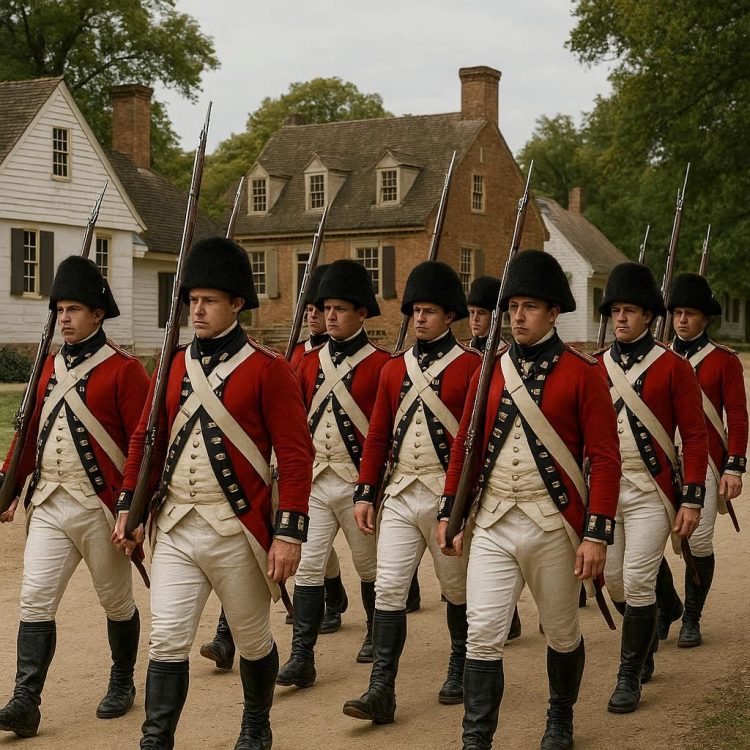
Colonies relied on local militias, forts, alliances, and European military support for protection.
How did colonial warfare lead to revolution?
Shared military struggles created a sense of unity and resistance that helped pave the way for the American Revolution.
🇺🇸 Test Your Knowledge: Colonial America
Answer the questions below to see how well you understand the Colonial Period, European expansion, and colonial warfare.
1. What was a major cause of colonial conflict?
2. Which European power colonized much of Central and South America?
3. Why did European wars often extend into the Americas?
4. How were Native American nations involved in colonial warfare?
5. What role did religion play in colonial conflict?
6. What military force was commonly used to defend colonies?
7. How did colonial warfare contribute to the American Revolution?
📘 Colonial Warfare Glossary
A locally organized armed force made up of settlers to defend colonial communities.
Competition between European empires for power, territory, and global influence.
The edge of colonial settlement, often marked by conflict and expansion.
A political or military partnership, often between colonies and Native nations.
Defensive structures such as forts and stockades used to protect settlements.
A conflict where powerful nations fight indirectly through colonial forces or allies.