Early English Settlements in America
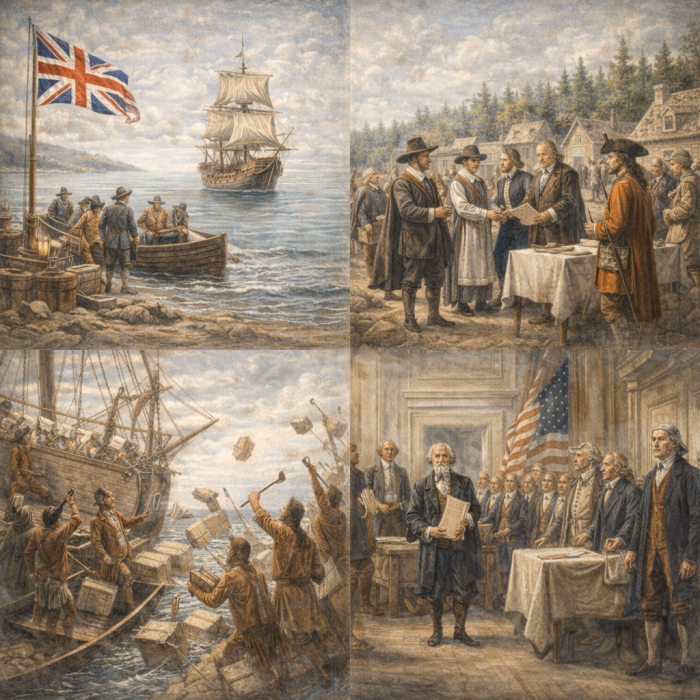
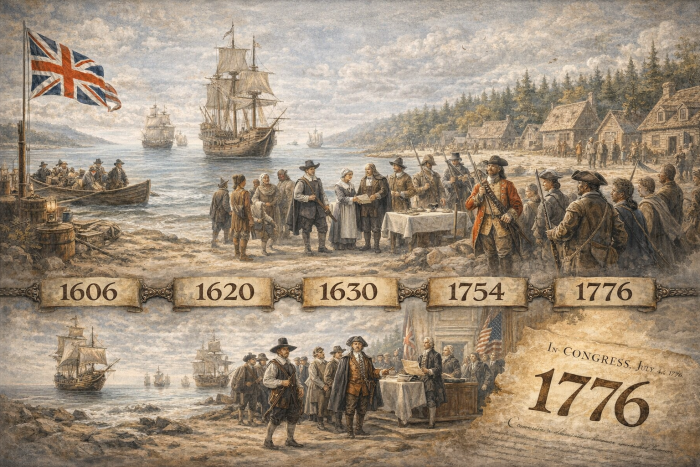
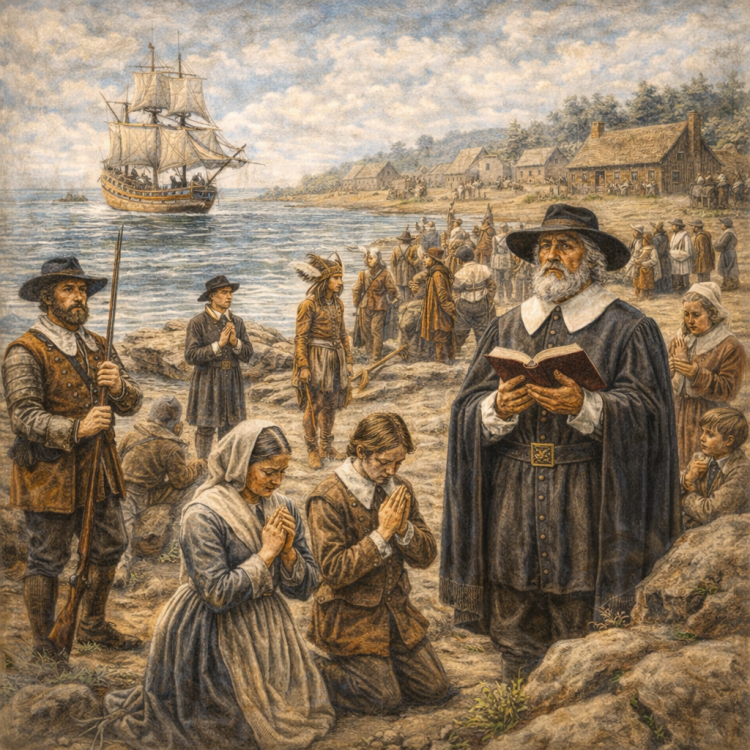
Early colonial America was shaped by small settlements that faced enormous challenges—disease, hunger, harsh winters, and uncertainty—while building new communities along the Atlantic coast. Some settlers came seeking religious freedom, others came for economic opportunity, and many arrived hoping to gain land, status, or a fresh start.
This hub explains why Europeans crossed the Atlantic, what early settlement was like, and how early English colonies began to organize themselves—then links you to the key stories of the era: the Pilgrims and Jamestown.
Why Europeans Came to America
Europeans crossed the Atlantic for a mix of powerful reasons. Some groups hoped to practice their faith without interference, while others were drawn by the promise of land, trade, and the chance to build wealth. For governments and investors, colonies also offered strategic value—new markets, raw materials, and influence in a competitive Atlantic world.
⛪ Religion
Many settlers wanted the freedom to worship as they chose and to form communities based on their beliefs.
💼 Opportunity
Some settlers hoped to gain land, improve their social standing, or find work and stability unavailable at home.
⚓ Trade & Power
Colonies helped European powers expand trade networks, secure resources, and compete for territory and influence.
What Early Settlement Was Like
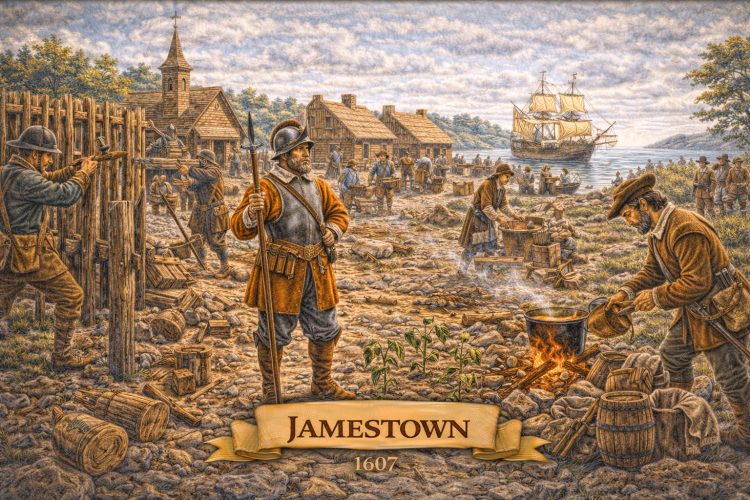
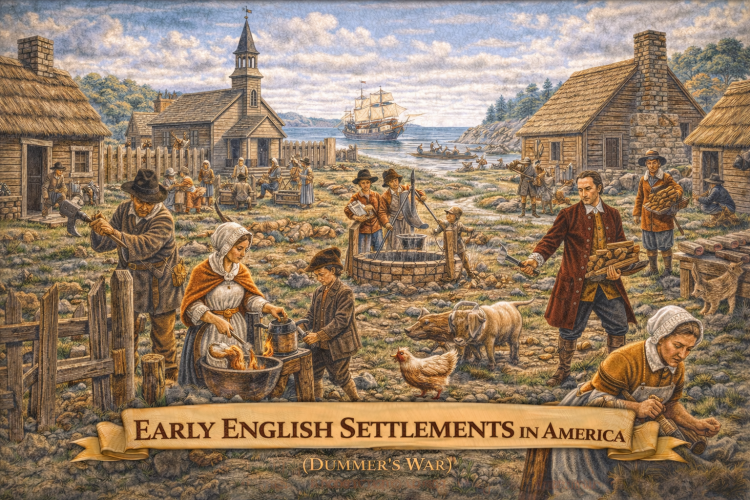
Arrival did not mean instant success. Early settlements faced shortages of food and supplies, unfamiliar climates, disease, and the difficulty of building homes and defenses from scratch. Over time, successful colonies depended on agriculture, trade, and the ability to survive seasonal hardship.
Native peoples already lived across North America, and relationships between Indigenous nations and English settlers varied widely—ranging from cooperation and trade to tension and conflict. In some places, Indigenous knowledge helped colonists survive; in others, competition over land escalated into violence.
How the Colonies Grew
As settlements stabilized, colonies developed trade links across the Atlantic. Colonists exported raw materials and valuable crops—especially tobacco in Virginia—and imported goods they could not easily produce, including tools, manufactured items, livestock, and supplies.
Key Idea
Early colonial prosperity depended on survival first—then on trade, labor, and access to Atlantic markets.
Did the Settlers Have Government?
Early colonists did not arrive with modern democratic governments, but they did create systems of order quickly. Colonies formed councils, courts, and local assemblies to manage land, trade, defense, and disputes. Over time, these institutions shaped the traditions of local self-government that later became central to American political identity.
Jamestown developed under company and royal authority, while communities like the Pilgrims relied more heavily on religious leadership and local agreements. Different models emerged—but governance was always necessary for survival.
🧭 Explore the Key Early Settlements
Use the links below to explore the most important early English settlement stories in more detail.
⛪ The Pilgrims
Learn who the Pilgrims were, why they crossed the Atlantic, and how they built a community in New England.
Read more →
⚓ Jamestown
Explore the founding of Jamestown, early survival struggles, and how it became the first permanent English colony.
Read more →
📌 Jamestown: Fast Facts
Quick-reference facts: dates, key people, location, and why Jamestown mattered.
Read more →