



Sports have played a central role in American history, reflecting the nation’s economic development, social change, regional identities, and cultural values. As the United States industrialized in the 19th century and urban populations grew, organized sports emerged as a form of mass entertainment, community identity, and leisure. Over time, advances in transportation, media, and technology transformed sports from local pastimes into national institutions.
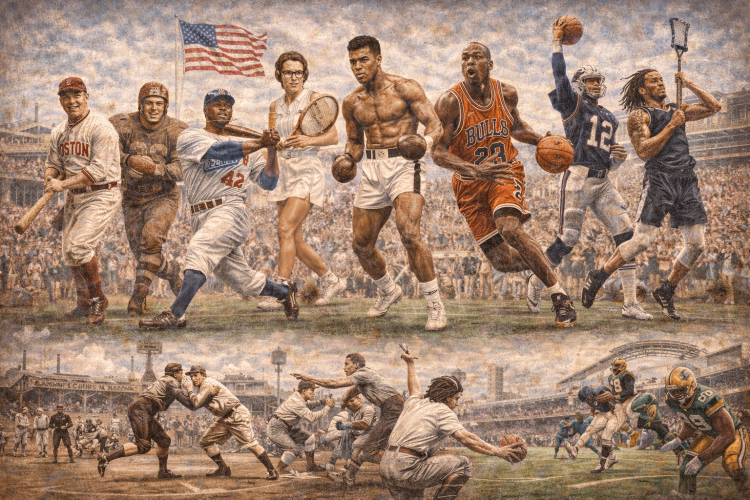
The most popular sports in America today did not become dominant by chance. Each developed within a specific historical context, shaped by immigration, race relations, education systems, economic growth, and evolving ideas about competition and recreation. Together, these sports tell a broader story about how American society changed from the 19th century to the modern era.
🏛️ Click to Reveal: Sports by Era in American History
19th Century — Industrial America
Baseball and boxing emerged as organized sports during industrialization, offering structured recreation for urban workers and immigrant communities.
Early 20th Century — Progressive Era
Football and basketball expanded through schools and colleges, reflecting discipline, teamwork, and reform-era values.
Mid-20th Century — Postwar America
Baseball integration, NASCAR, and televised sports grew alongside suburbanization, mass media, and consumer culture.
Late 20th Century — Globalization
Soccer and tennis expanded as immigration increased and American sports became more globally connected.
21st Century — Media & Technology
Mixed Martial Arts (MMA) reflects digital media, changing entertainment tastes, and globalization in modern American sports culture.
1. American Football: From College Game to National Obsession
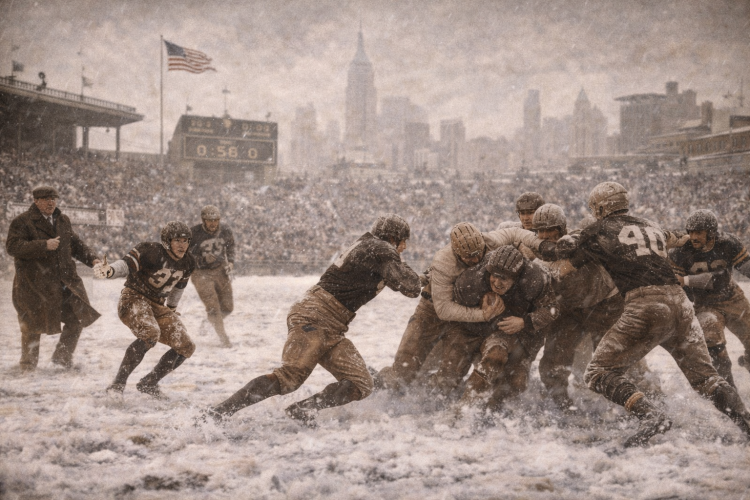
American football developed in the late 19th century, emerging from rugby-style games played at elite colleges in the Northeast. By the early 1900s, football had become closely tied to college culture, masculinity, and national identity during a period of rapid industrial growth.
As the sport professionalized in the 20th century, football came to symbolize discipline, strategy, and controlled violence, values often associated with modern American life. The rise of televised games after World War II and the creation of the National Football League (NFL) transformed football into the most watched sport in the country, culminating in the Super Bowl as a major cultural event.
2. Baseball: America’s First National Pastime
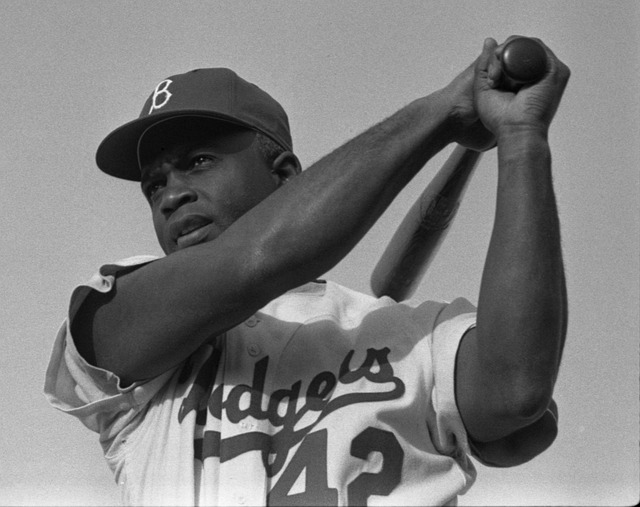
Baseball emerged in the mid-19th century, spreading quickly through urban centers as workers sought organized recreation during industrialization. By the late 1800s, professional leagues had formed, and baseball became deeply connected to American identity.
The sport reflected major historical themes, including segregation and integration, particularly with the breaking of the color barrier in the mid-20th century. Baseball’s slow pace, long season, and regional loyalties made it a unifying cultural force, earning its reputation as America’s pastime.
3. Basketball: An Urban and Educational Sport
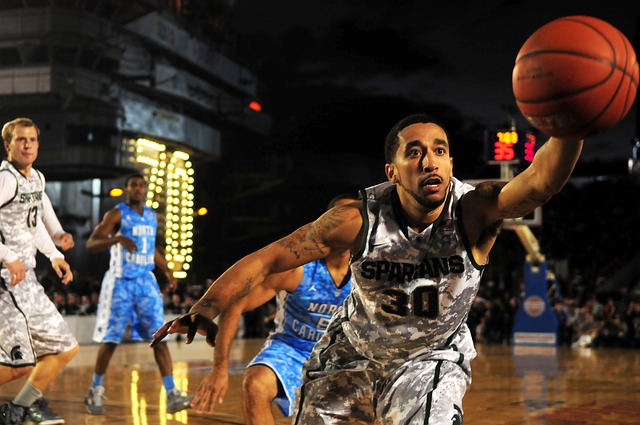
Basketball was invented in 1891 as an indoor game designed for winter recreation. It spread rapidly through schools, colleges, and urban community centers, making it especially popular in cities.
Because it required minimal equipment and space, basketball became accessible to a wide range of Americans. In the 20th century, professional leagues, college tournaments, and global influence helped basketball become one of the most prominent sports in the United States, closely tied to youth culture and urban identity.
4. Soccer: Immigration and Global Influence
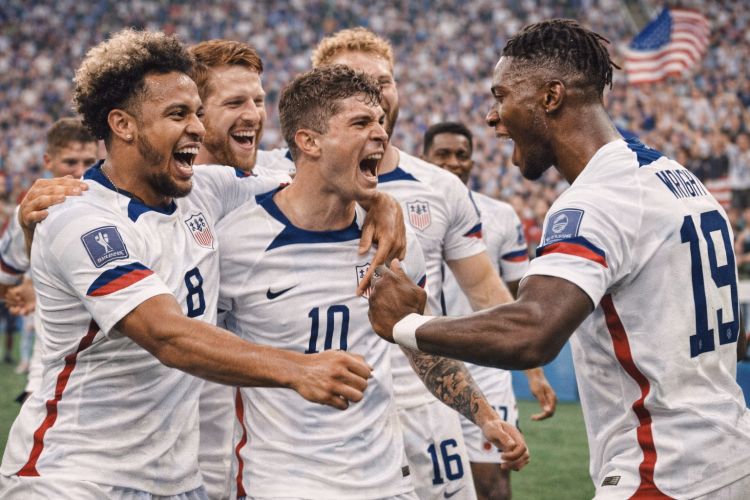
Although soccer has long been the world’s most popular sport, its growth in the United States followed a different path. Early American interest came largely through immigrant communities, particularly in industrial cities during the late 19th and early 20th centuries.
Soccer’s popularity expanded significantly in the late 20th and early 21st centuries, driven by youth leagues, international competitions, and changing demographics. Today, soccer reflects the United States’ increasing global connections and cultural diversity.
5. Ice Hockey: Regional Identity and Industrial Roots
Ice hockey developed in colder regions of North America and gained popularity in the United States during the late 19th and early 20th centuries. It became especially associated with northern cities, where industrial workers embraced the fast-paced, physical game.
The sport’s emphasis on endurance and teamwork mirrored the values of working-class communities. Professional leagues and international competition later expanded hockey’s national presence, though it remains closely tied to regional identity.

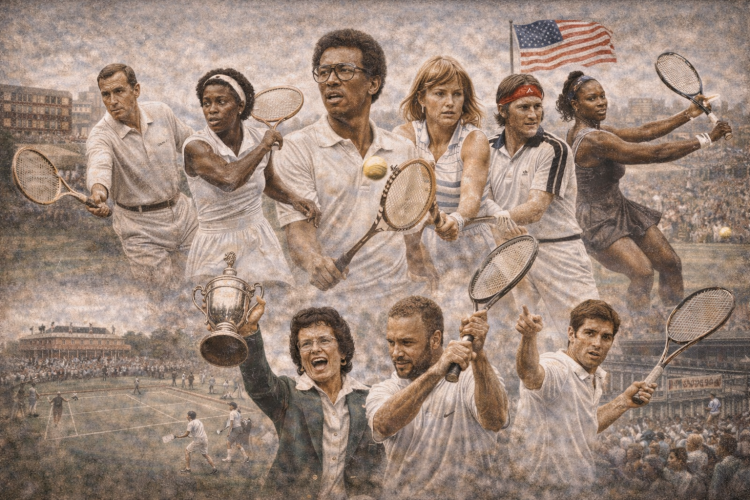
6. Tennis: Leisure, Competition, and International Prestige
Tennis gained popularity in the United States during the late 19th century, initially associated with leisure and upper-class recreation. Over time, it evolved into a highly competitive professional sport.
American success in international tournaments helped elevate tennis’s status, while public courts and school programs broadened participation. Tennis reflects broader changes in American society, including shifting attitudes toward recreation, gender roles, and global competition.

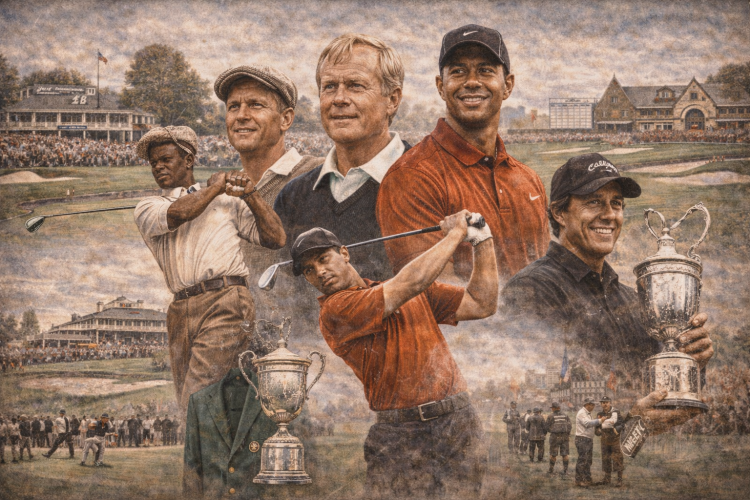
7. Golf: Tradition and Social Status
Golf arrived in the United States in the late 19th century and developed as a sport closely tied to leisure culture and social status. While participation has always been more limited than team sports, golf’s influence has remained strong through professional tournaments and club traditions.
The sport’s emphasis on individual discipline and etiquette reflects longstanding American ideas about competition, professionalism, and personal achievement.

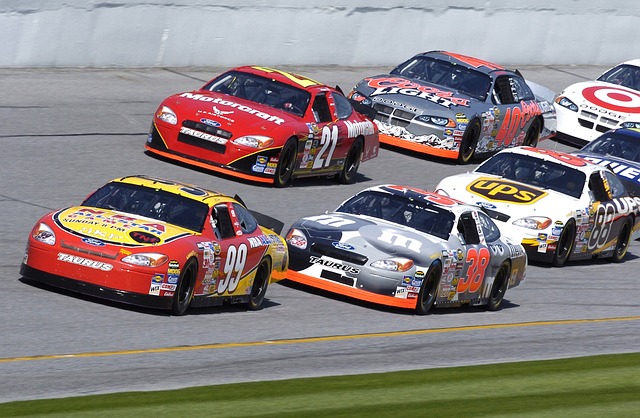
8. NASCAR: Regional Culture and Modern Spectacle
NASCAR emerged in the mid-20th century, rooted in the American South and shaped by post–World War II economic and cultural changes. Stock car racing grew from regional traditions into a nationally recognized sport through media coverage and commercial sponsorship.
NASCAR reflects the intersection of technology, regional identity, and mass entertainment, becoming one of the most distinctive forms of American motorsport.
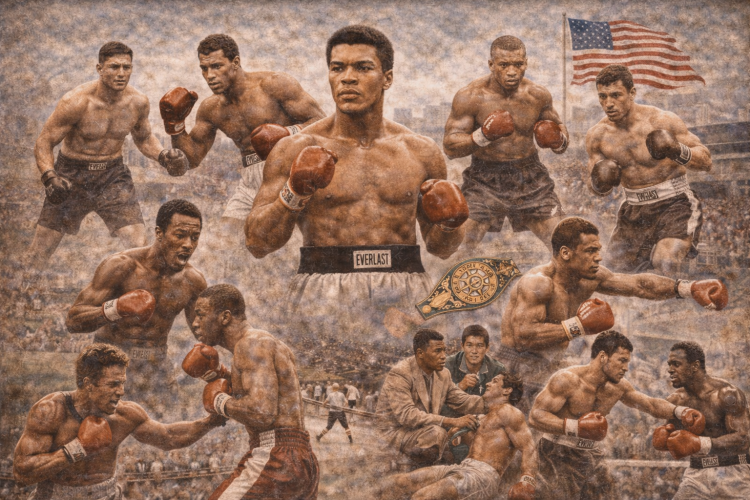
9. Boxing: Immigration, Race, and Fame
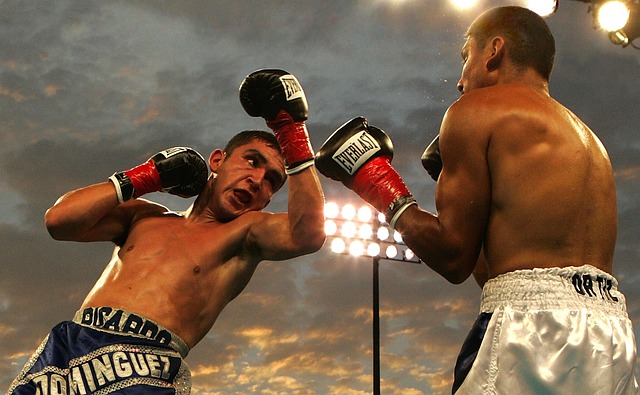
Boxing has played a major role in American sports history since the late 19th century. Early champions often came from immigrant and working-class communities, using the sport as a path to social mobility.
Throughout the 20th century, boxing highlighted broader issues of race, celebrity, and national identity, producing some of the most famous athletes in American history. Although less dominant today, its cultural legacy remains significant.
10. Mixed Martial Arts (MMA): A Modern Evolution
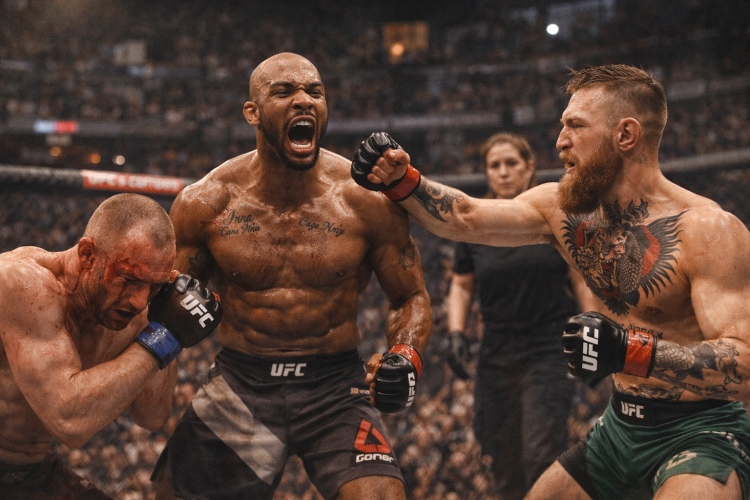
Mixed Martial Arts (MMA) represents a late 20th-century development in American sports, combining techniques from multiple combat traditions. Its rise reflects changing attitudes toward athletic competition, globalization, and media consumption.
MMA’s rapid growth demonstrates how American sports culture continues to evolve, adapting to new audiences and technologies while building on older combat-sport traditions.
Conclusion: Sports as a Mirror of American History
The history of sports in America reveals far more than entertainment preferences. Each major sport developed in response to economic change, social conditions, technological advances, and cultural values. From baseball’s rise during industrialization to MMA’s growth in the digital age, sports provide a powerful lens through which to understand American history.
Together, these sports illustrate how Americans have defined competition, community, identity, and leisure across generations.
❓ History of American Sports — Frequently Asked Questions
Why did organized sports grow in the 19th century?
Industrialization created regular work schedules and urban populations, increasing demand for structured recreation and mass entertainment.
How did immigration shape American sports?
Immigrant communities introduced new sports, expanded participation, and used athletics as a pathway to cultural integration.
Why is baseball called America’s pastime?
Baseball became the first truly national sport during the 19th century, symbolizing unity during periods of rapid change.
How did television change American sports?
Television transformed sports into national spectacles, increasing revenue, popularity, and cultural influence after World War II.
🧠 History of American Sports — Knowledge Check
📚 Glossary: Key Terms in American Sports History
Industrialization
The growth of factories and cities that created demand for organized leisure activities.
Professionalization
The transformation of sports from amateur recreation into paid careers.
Mass Media
Technologies like radio and television that expanded sports audiences nationwide.
Integration
The removal of racial barriers in American sports during the 20th century.