

The history of television, film, and entertainment in America reflects more than technological progress—it mirrors the nation’s social values, cultural shifts, and economic change. From live stage performances to Hollywood blockbusters and digital streaming platforms, entertainment has shaped how Americans see themselves and the world.
Over more than a century, new technologies, creative movements, and iconic performers transformed entertainment from local spectacles into a global cultural force. This page explores the major eras that defined American entertainment, from its earliest roots to the digital age.

The Early Days of Entertainment
In the late 19th century, American entertainment was primarily live and communal. Popular forms included:
- Vaudeville shows, featuring comedy, music, dance, and novelty acts
- Traveling circuses, which brought spectacle to towns across the country
- Minstrel shows, a deeply problematic but historically influential form that reflected racial attitudes of the era
These performances helped create a shared popular culture and laid the groundwork for mass entertainment.
The Rise of Film
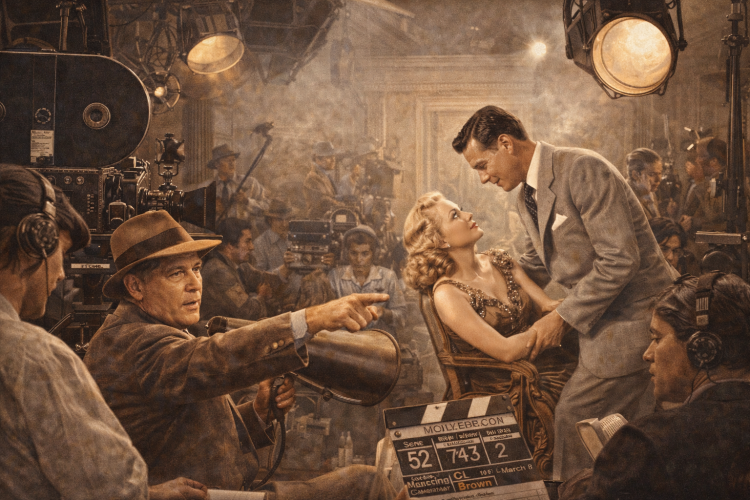
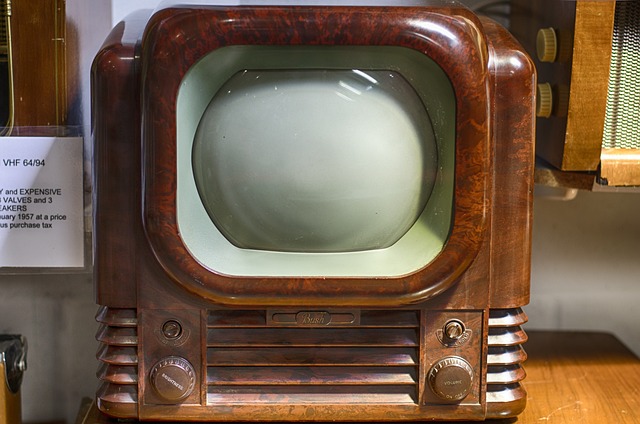
The invention of motion pictures in the early 20th century revolutionized entertainment. Film offered audiences a new way to experience stories visually, emotionally, and repeatedly.
Key developments included:
- The founding of early studios such as the Edison Manufacturing Company
- The emergence of Hollywood as the center of American filmmaking
- The popularity of silent films, starring icons like Charlie Chaplin and Buster Keaton
Film quickly became America’s most influential art form, reaching audiences nationwide.

The Golden Age of Hollywood
From the 1930s through the 1950s, Hollywood entered its Golden Age. Major studios controlled production, distribution, and stars, creating a powerful entertainment system.
This era produced:
- Timeless films and genres
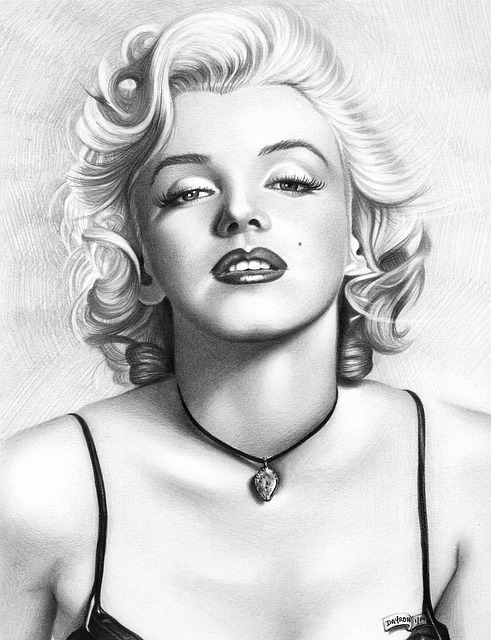
- Legendary actors such as Clark Gable, Audrey Hepburn, and Marilyn Monroe
- A glamorous star system that shaped American ideals of fame and success
Hollywood films became central to American identity—and a major export worldwide.

The Rise of Television
In the 1950s, television transformed entertainment by bringing it directly into American homes. TV reshaped daily life and family routines.
Early television featured:
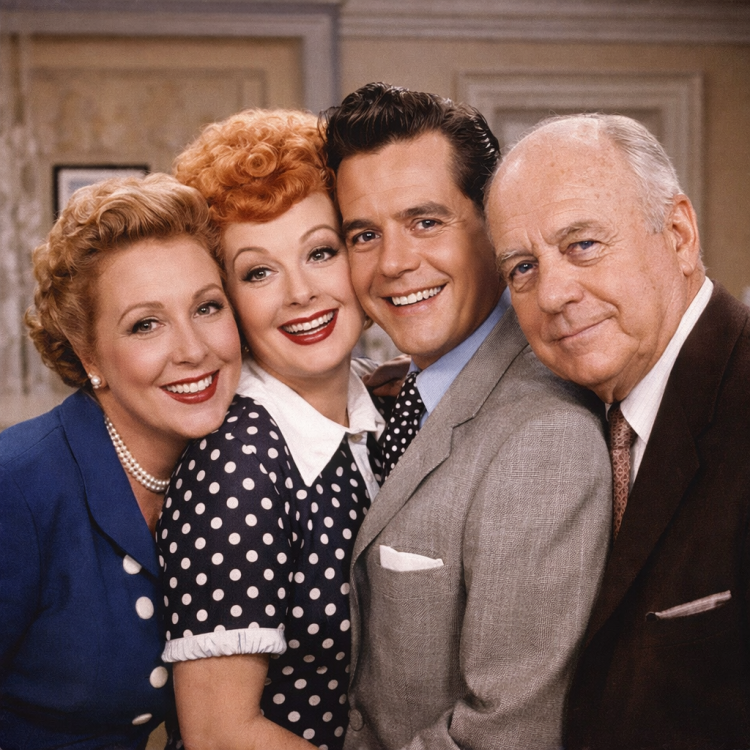
- Sitcoms like I Love Lucy and The Honeymooners
- News broadcasts and live events
- Game shows and variety programming
Television challenged Hollywood’s dominance and became the most influential medium of the mid-20th century.
Entertainment in the Digital Age
From the 1990s onward, digital technology reshaped how entertainment is created and consumed.
Major shifts included:
- The rise of the internet and digital media
- Streaming platforms such as Netflix, Hulu, and later competitors
- Declining reliance on traditional broadcast schedules
Audiences gained unprecedented control over when, where, and how they consumed content.

Social Media, Mobile Media & New Experiences
The rise of social media further transformed entertainment by allowing direct interaction between creators and audiences. Celebrities, influencers, and studios now engage fans instantly.
Recent developments include:
- Mobile-first viewing on smartphones and tablets
- The growth of online creators and platforms
- Emerging technologies like virtual reality (VR) and immersive media
Entertainment is now more interactive, personalized, and global than ever before.