
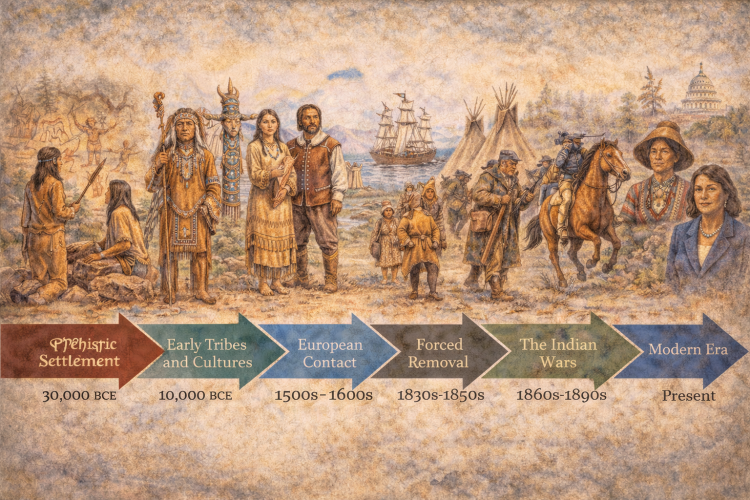
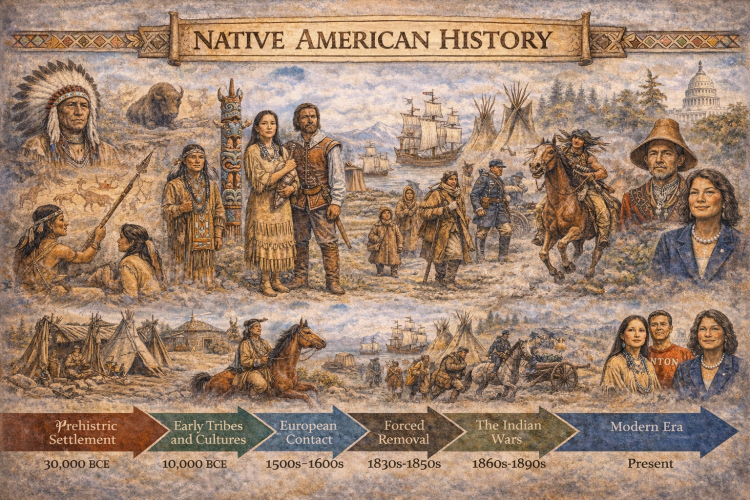
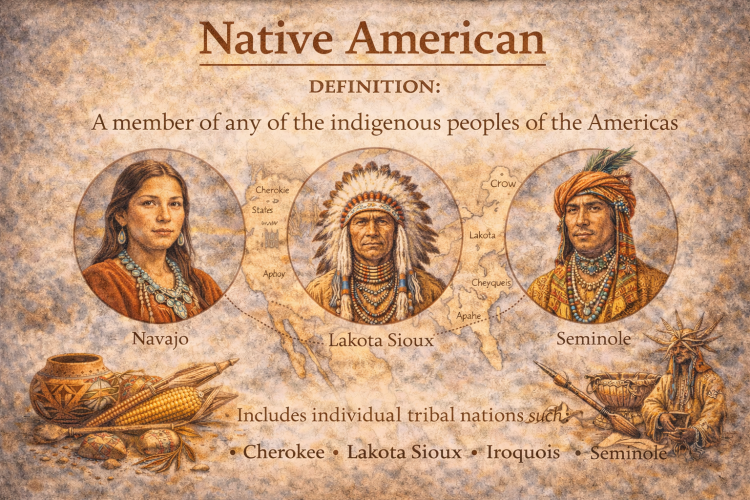
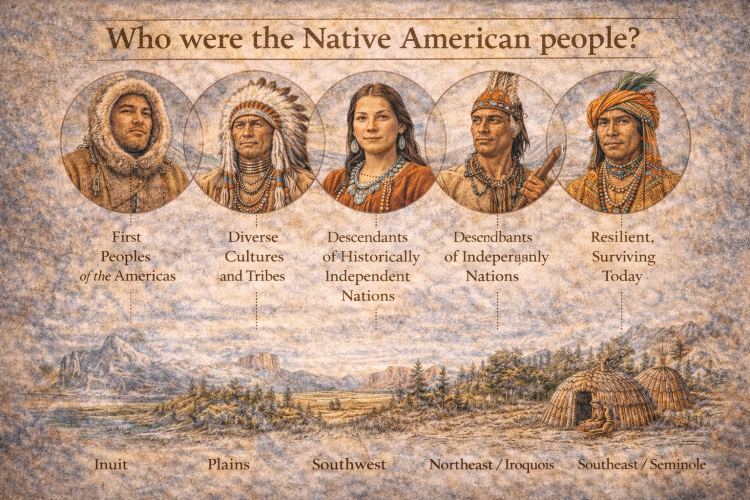
Native Americans are the Indigenous peoples of North America who lived on the continent for thousands of years before European contact. Rather than forming a single culture, Native American societies were extraordinarily diverse, shaped by geography, climate, resources, and deeply rooted traditions.
Across forests, plains, deserts, mountains, and coastal regions, Native American tribes developed unique ways of living that reflected their environments. From housing and food to art, beliefs, and social roles, daily life was closely connected to nature, community, and spiritual values.
This hub page introduces the key aspects of Native American life and culture, providing an overview and guiding you to detailed articles exploring each topic in depth.
👁️ Explore Native American Life — Click & Reveal
Click each topic below to explore key aspects of Native American life, culture, and society before and during early contact with Europeans.
🏠 Homes & Dwellings
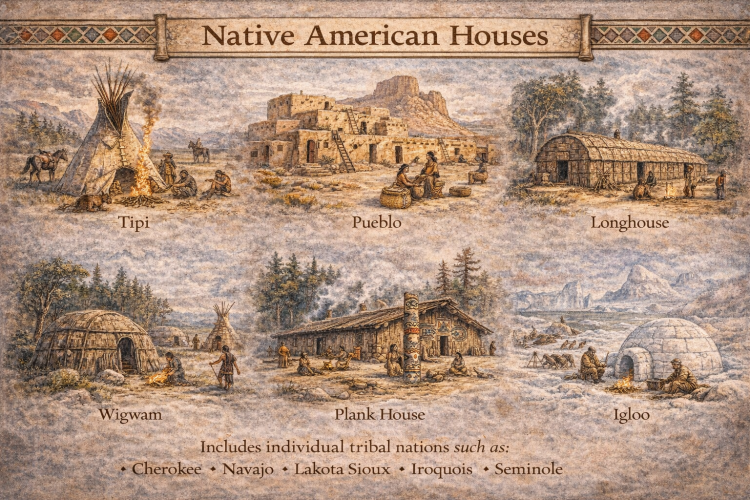
Native American housing varied by region and environment. Tribes built wigwams, longhouses, tipis, cliff dwellings, and grass houses using materials available locally.
🌽 Food, Farming & Hunting
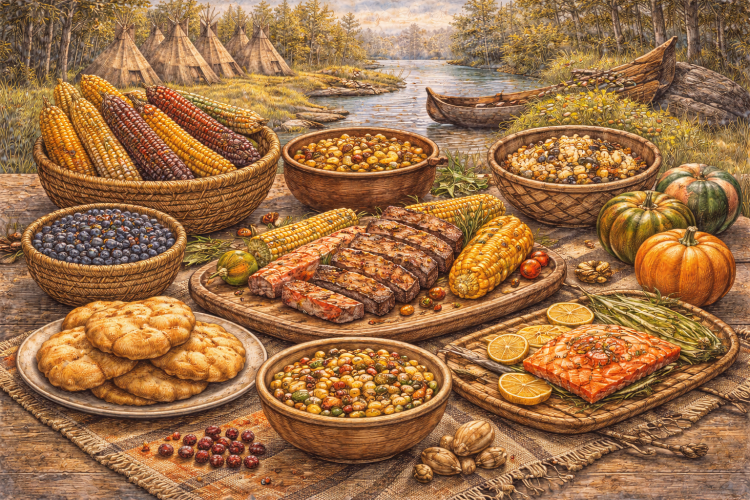
Many tribes relied on a combination of farming, hunting, fishing, and gathering. Staple crops included corn, beans, and squash, often called the “Three Sisters.”
👕 Clothing & Materials
Clothing was made from animal hides, plant fibers, and woven textiles. Designs often reflected tribal identity, climate, and spiritual beliefs.
🧭 Tribal Society & Leadership
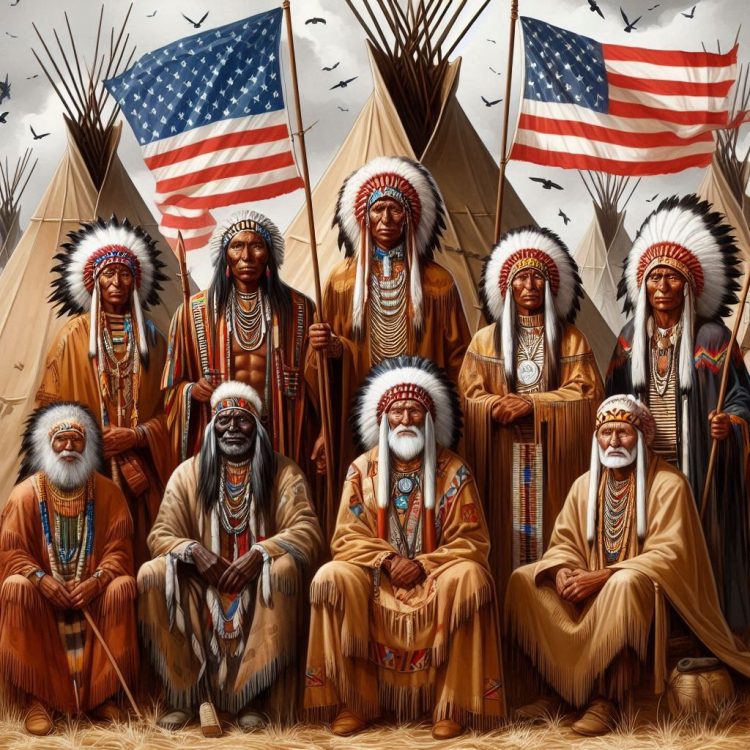
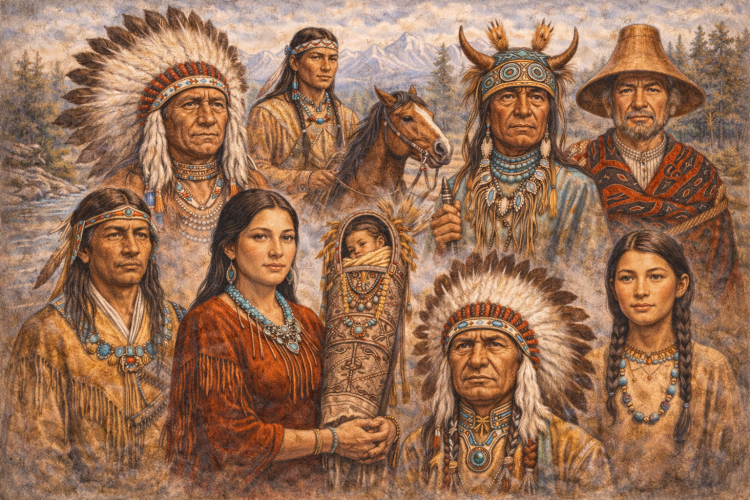
Native American societies were organized into tribes with distinct leadership systems. Chiefs, councils, elders, and clan leaders guided decision-making and community life.
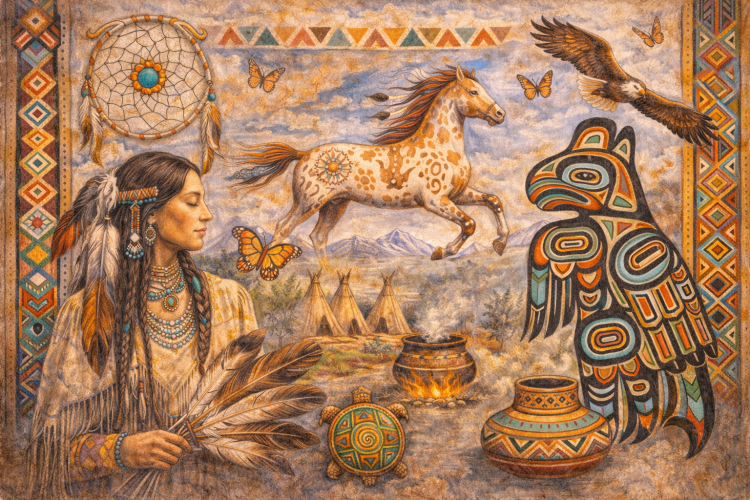
🌀 Spiritual Beliefs & Symbols
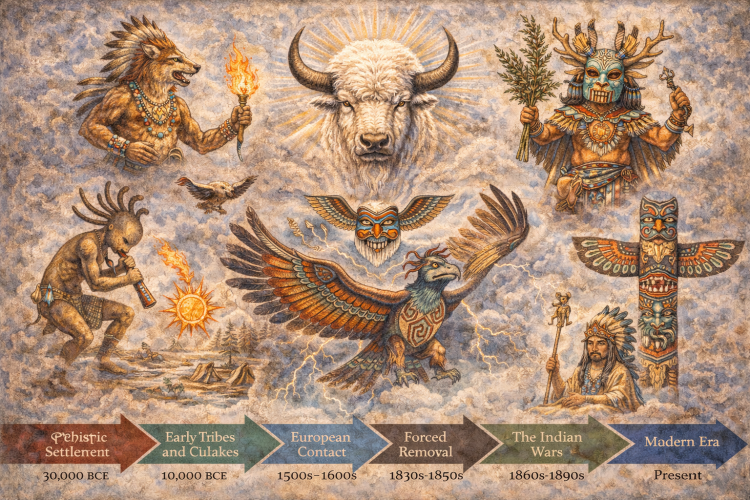
Spirituality was deeply connected to nature, animals, and ancestral spirits. Symbols, rituals, and ceremonies expressed beliefs about balance, strength, and the natural world.
⚔️ Contact, Conflict & Change
European contact brought trade, but also disease, warfare, and displacement. These encounters dramatically altered Native American life and shaped centuries of conflict.
Native American Homes and Settlements
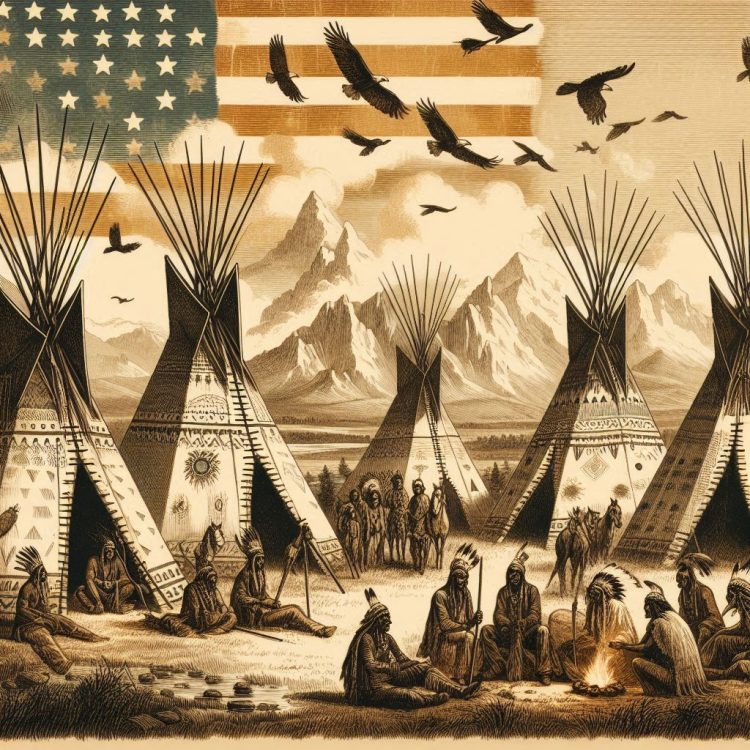
Native American tribes built homes using materials available in their local environments. These structures were designed for practicality, protection, and mobility.
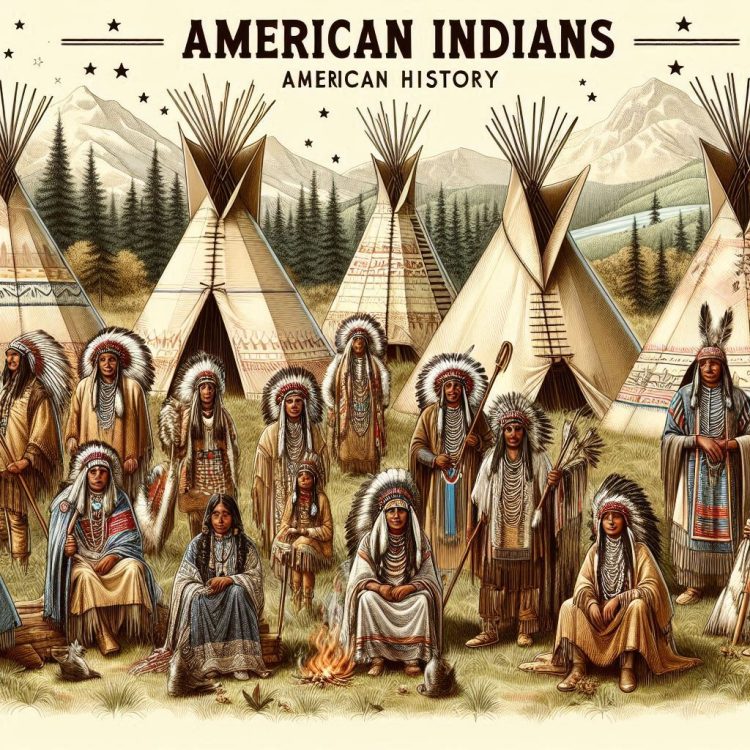
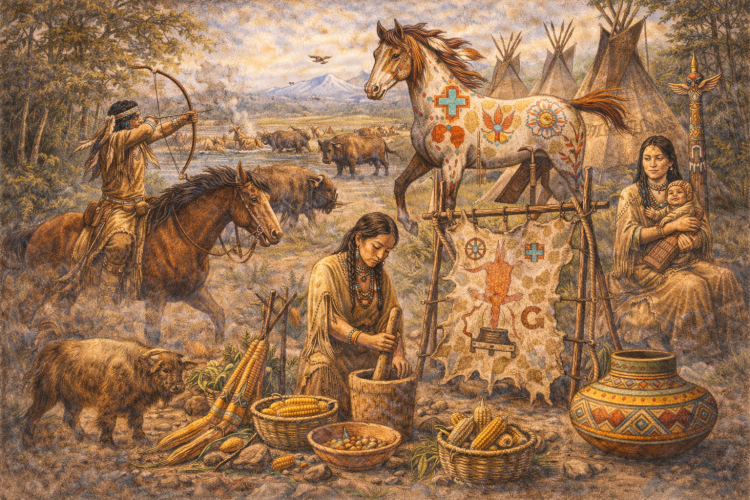
In forested regions, tribes built wigwams using wooden frames covered with bark or animal skins. Plains tribes constructed tipis, which were lightweight and easy to move. In the Southwest, some communities built cliff dwellings and pueblos, offering protection from enemies and harsh weather. Other tribes built longhouses, grass houses, or earth lodges depending on regional needs.
Housing was not only shelter but also reflected family structure, social organization, and cultural identity.
Food, Agriculture, and Survival
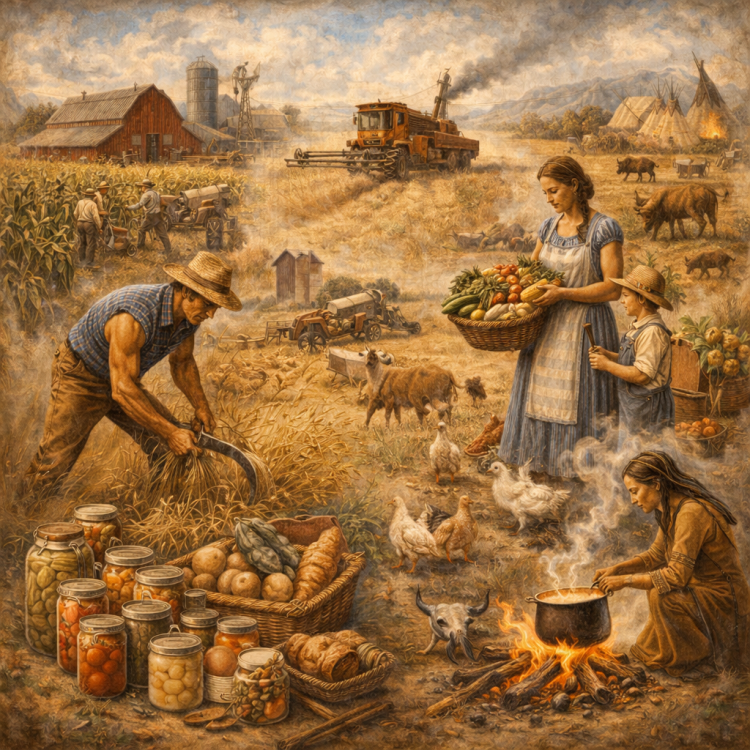
Native American diets varied widely by region. Tribes relied on a combination of hunting, fishing, gathering, and farming to survive.
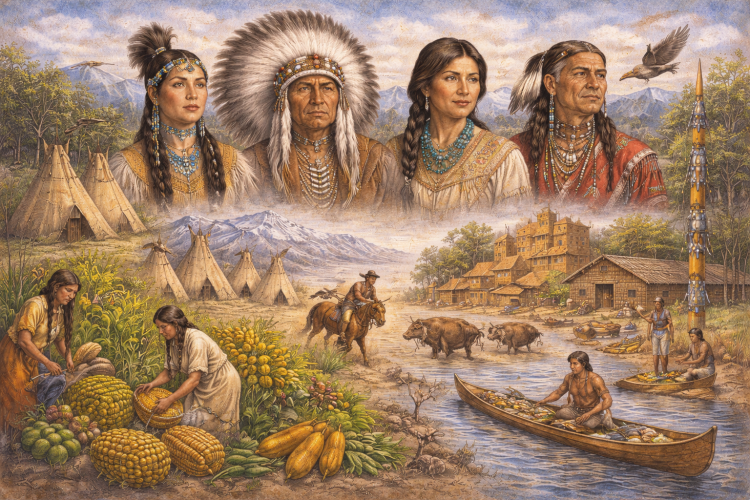
Many tribes hunted animals such as buffalo, deer, caribou, and small game. Fishing was essential for coastal and river communities. Agricultural tribes cultivated crops like corn, beans, and squash, often referred to as the “Three Sisters,” which supported long-term settlements and population growth.
Food practices were closely tied to seasonal cycles and spiritual beliefs, emphasizing respect for nature and balance with the environment.
Clothing, Art, and Daily Life
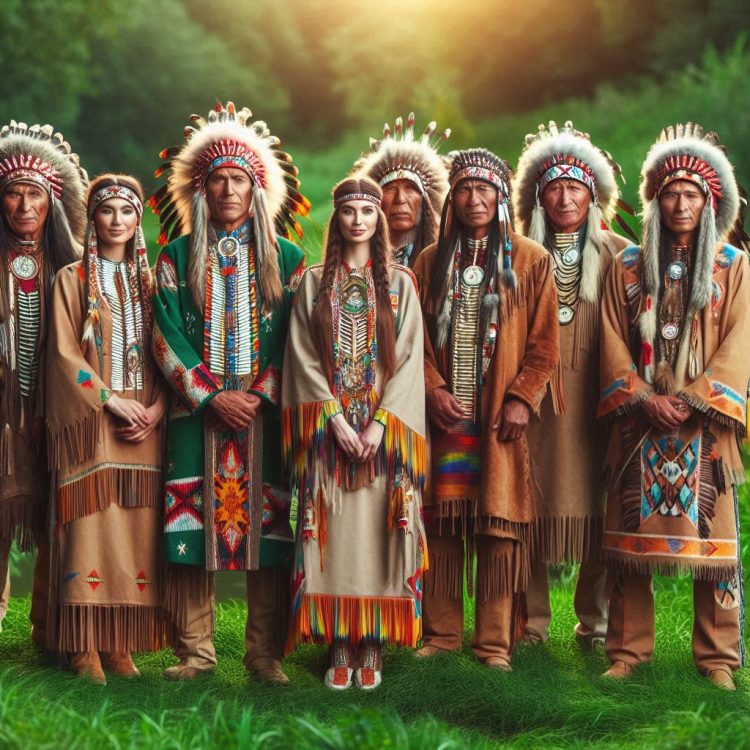
Native American clothing was both functional and symbolic. Garments were made from animal hides, woven plant fibers, and later textiles obtained through trade. Clothing styles reflected climate, occupation, and tribal identity.
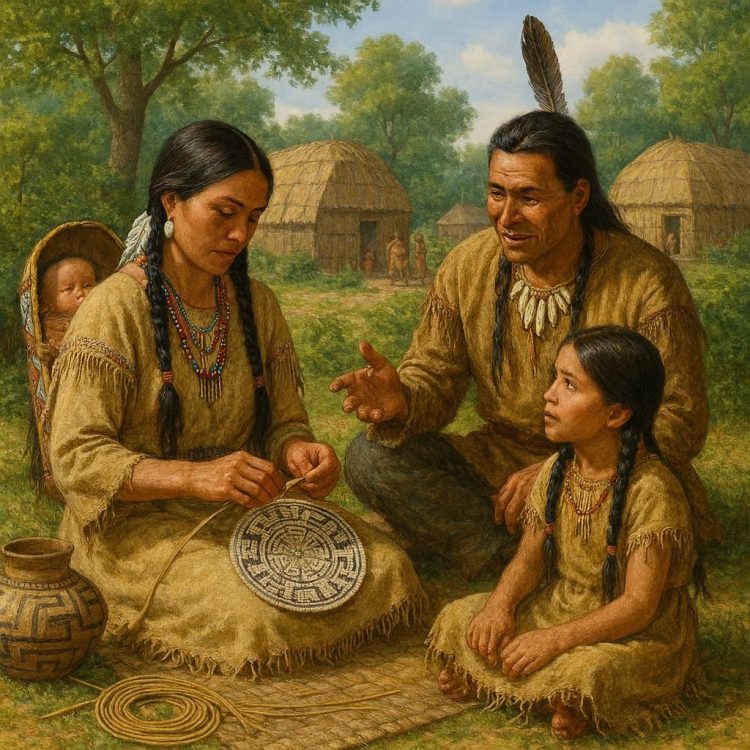
Art played an important role in everyday life. Native Americans expressed creativity through beadwork, pottery, weaving, carvings, and symbolic designs. Many artistic patterns carried spiritual meaning or told stories about ancestry, nature, and beliefs.
Names, symbols, and decorative elements were deeply meaningful and often represented personal traits, achievements, or spiritual connections.
Tribes, Social Roles, and Community Life
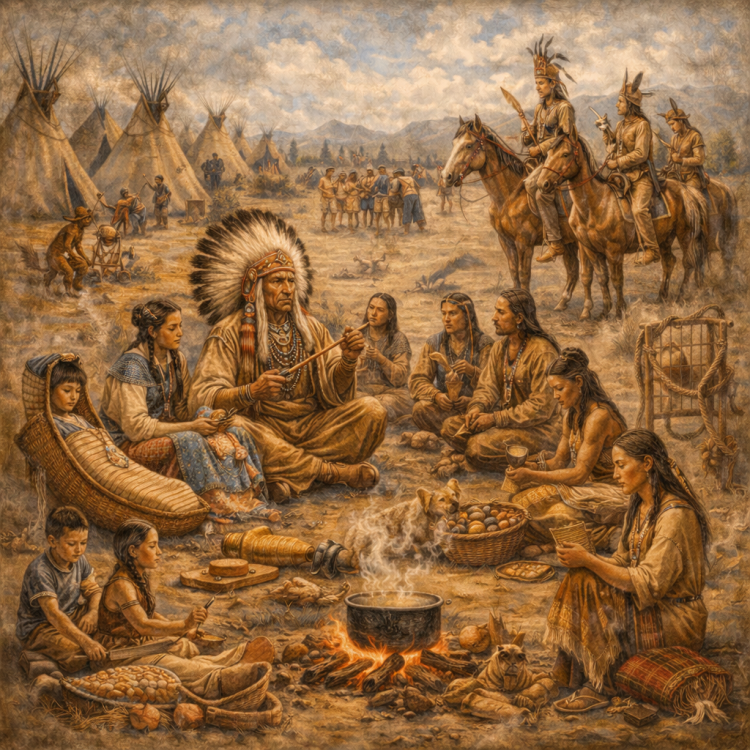
Native Americans lived in tribes, each with its own customs, leadership systems, and social structure. Some tribes were nomadic, while others lived in permanent settlements.
Men, women, elders, and children all held important roles within tribal society. Responsibilities were often shared, with leadership based on wisdom, experience, and service rather than inherited power alone.
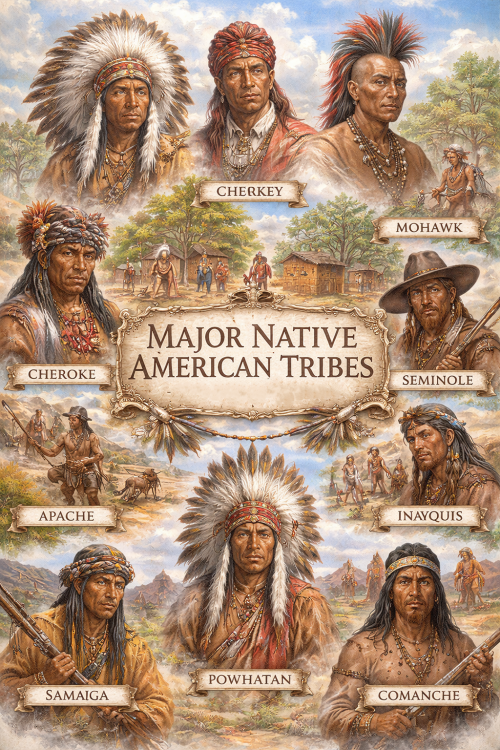
Across North America, hundreds of distinct tribes existed, including the Apache, Cherokee, Dakota, Sioux, Powhatan, and many others. Today, the United States officially recognizes over 500 Native American tribes.
Beliefs, Spirituality, and Symbols
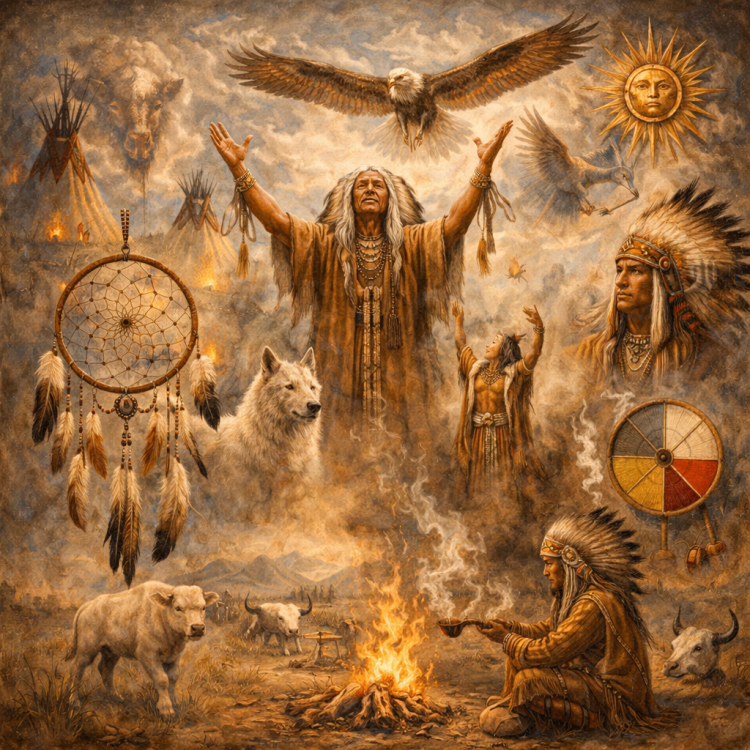
Spiritual beliefs were central to Native American life. Many tribes believed that all elements of nature—animals, plants, rivers, and the sky—possessed spiritual significance.
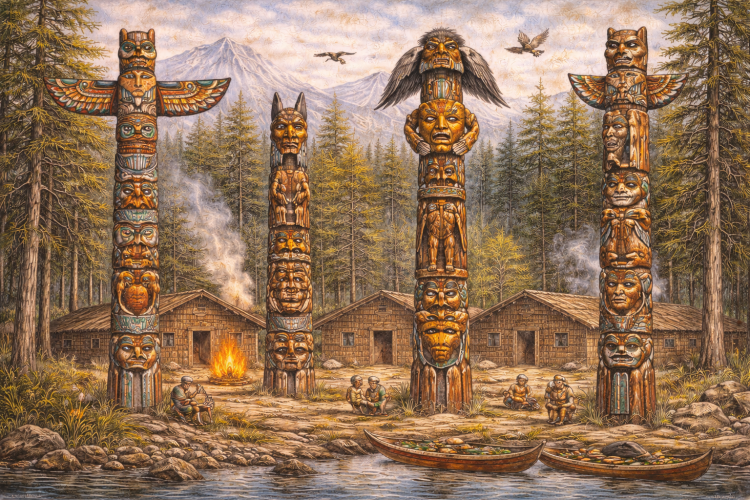
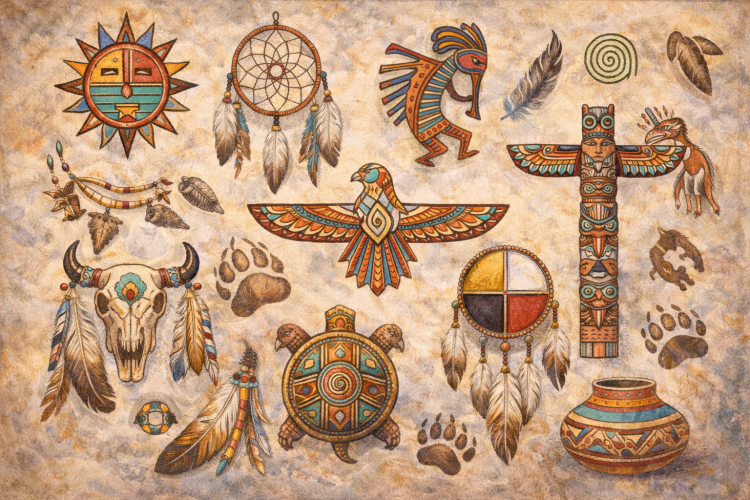
Native American religions included creation stories, sacred rituals, and powerful symbols used in ceremonies and art. Totem poles, animal symbols, and representations of strength or protection played key roles in expressing spiritual ideas and cultural values.
Religion was not separate from daily life but woven into work, community, and the natural world.
Warriors, Conflict, and Change
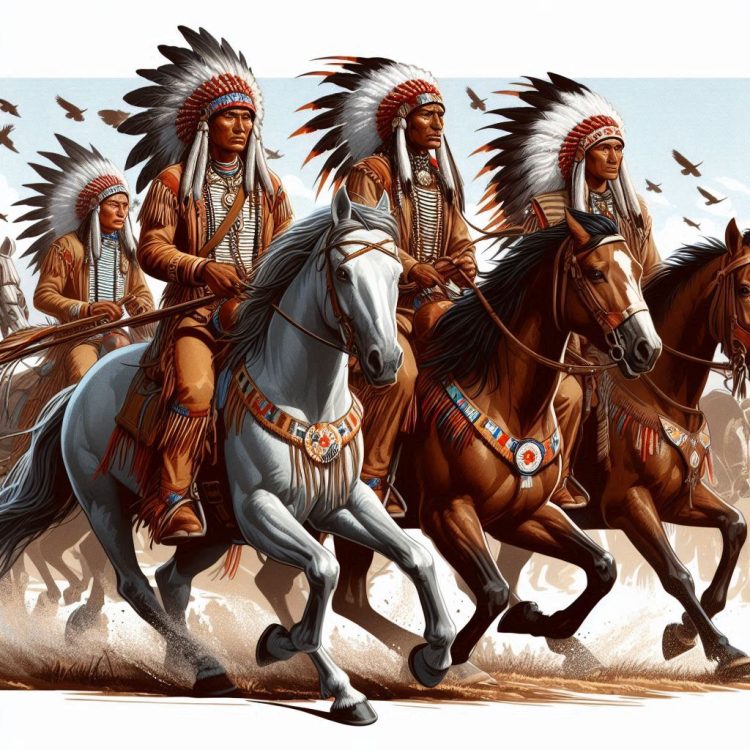
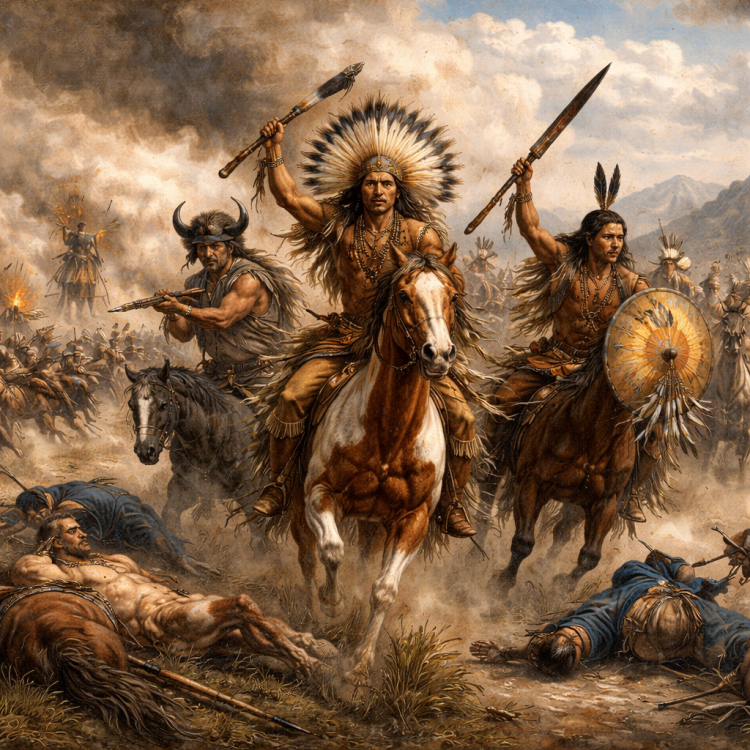
While many tribes lived peacefully, conflict did occur—both between tribes and later with European settlers. As Europeans arrived and began claiming land, tensions increased.
Native American tribes fought to defend their territories, leading to numerous wars and long periods of resistance. Over time, disease, warfare, and displacement drastically changed Native American life.
These conflicts marked a major turning point in Native American history and reshaped Indigenous societies across the continent.
Native Americans and European Contact
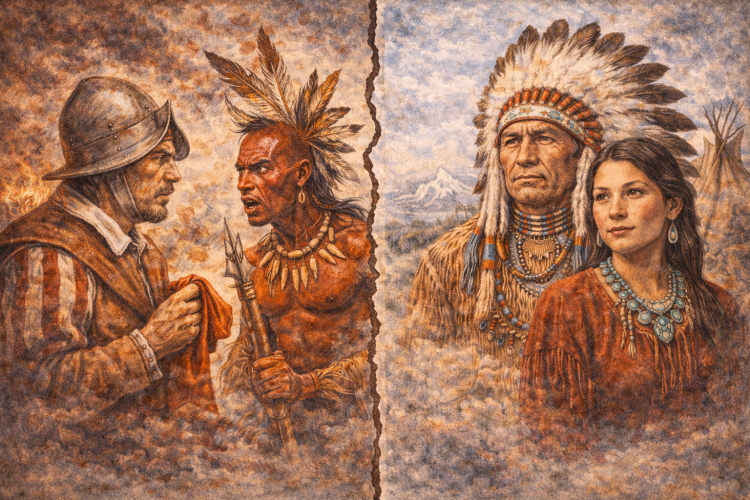
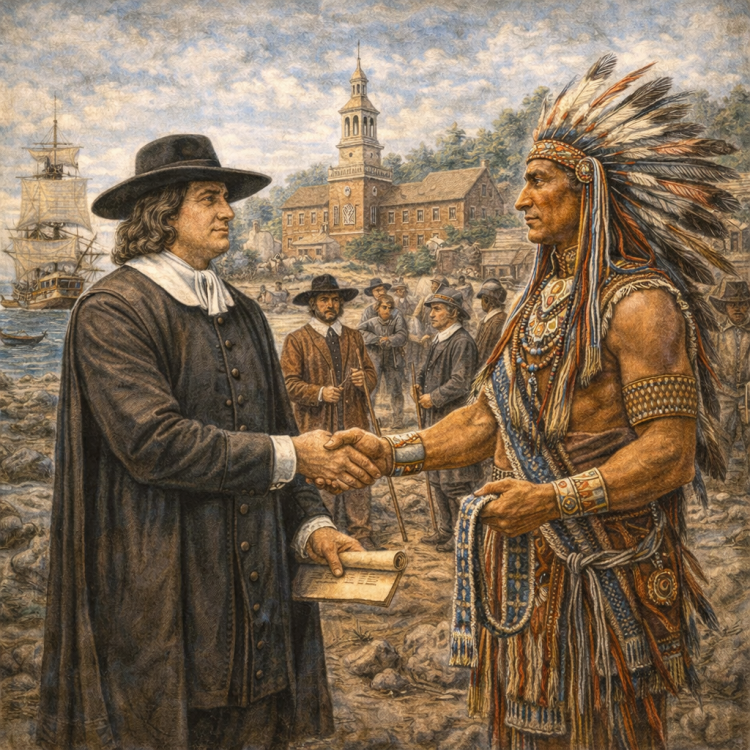
When Europeans arrived in North America, early interactions ranged from trade and cooperation to mistrust and violence. As colonial populations expanded, Native Americans faced land loss, broken treaties, and forced relocation.
European contact dramatically altered Native American societies, but it did not erase them. Indigenous cultures adapted, resisted, and survived despite immense challenges.
Legacy of Native American Cultures
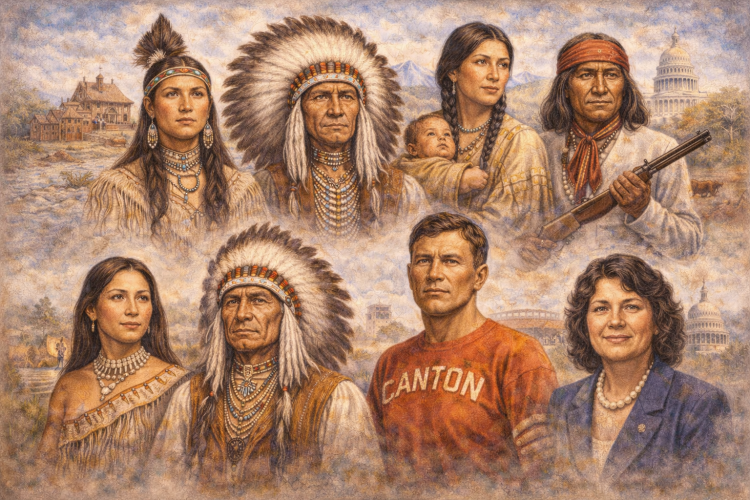
Native American cultures continue to exist and evolve today. Traditions, languages, art, and beliefs remain a vital part of American history and identity.
Understanding Native American life provides insight into the original societies of North America and their enduring influence on the modern United States.
Explore the articles below to learn more about Native American homes, food, tribes, beliefs, symbols, history, and daily life.
❓ Native American Life — Frequently Asked Questions
Who were the Native American peoples?
Native Americans are the Indigenous peoples of North America who lived on the continent for thousands of years before European contact, forming hundreds of distinct tribes and cultures.
Did all Native American tribes live the same way?
No. Native American life varied greatly by region, climate, and resources. Tribes developed different homes, foods, clothing, and traditions based on their environment.
How were Native American societies organized?
Most tribes lived in close-knit communities with defined social roles, including leaders, warriors, hunters, farmers, artists, and spiritual guides.
What role did spirituality play in Native American life?
Spiritual beliefs were deeply connected to nature, animals, ancestors, and the land. Many tribes expressed these beliefs through symbols, rituals, stories, and sacred art.
How did European contact change Native American life?
European arrival led to trade, conflict, disease, displacement, and warfare, dramatically altering Native American societies and population levels.
Are Native American cultures still alive today?
Yes. Native American cultures continue today through living communities, traditions, languages, and modern tribal nations across the United States.
🧠 Native American Life — Knowledge Quiz
Test your understanding of Native American culture, daily life, and society. Click Submit to reveal answers — green = correct, red = incorrect.
📚 Glossary: Native American Life
Tribe
A group of Native American people sharing culture, language, traditions, and territory.
Wigwam
A dome-shaped home made from wood and bark, used by tribes in forested regions.
Totem Pole
A carved wooden monument representing family lineage, stories, and spiritual beliefs.
Oral Tradition
The passing of history, stories, and knowledge through spoken word rather than writing.
Indigenous
People who originally inhabited a region before outside settlement.
European Contact
The arrival of European explorers and settlers that dramatically altered Native American life.