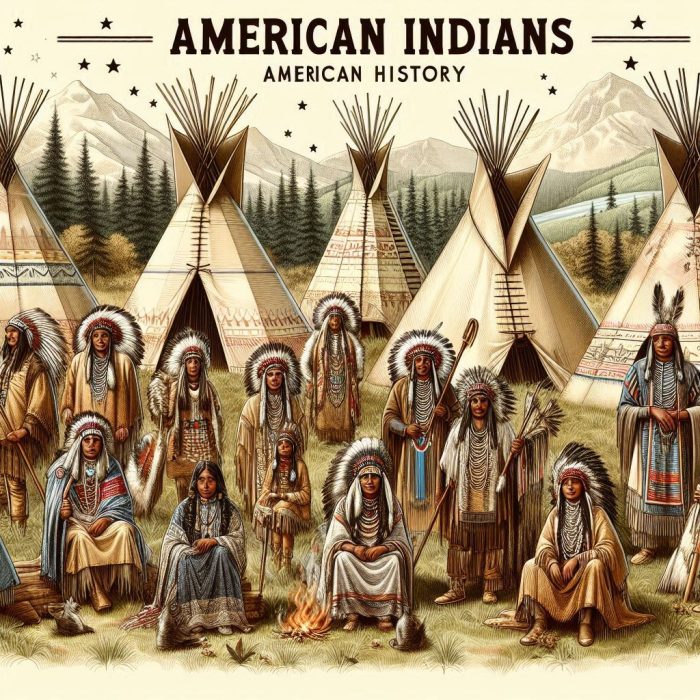
Native Americans, also known as American Indians, are the Indigenous peoples of North America. Their history stretches back thousands of years, long before European exploration and settlement. By the time Europeans arrived in the late 15th century, Native American societies were already well established across the continent, with diverse cultures, languages, and systems of governance.
This page provides an overview of major developments and turning points in Native American history, from early migration to the modern era, with links to more detailed articles on specific events, periods, and conflicts.
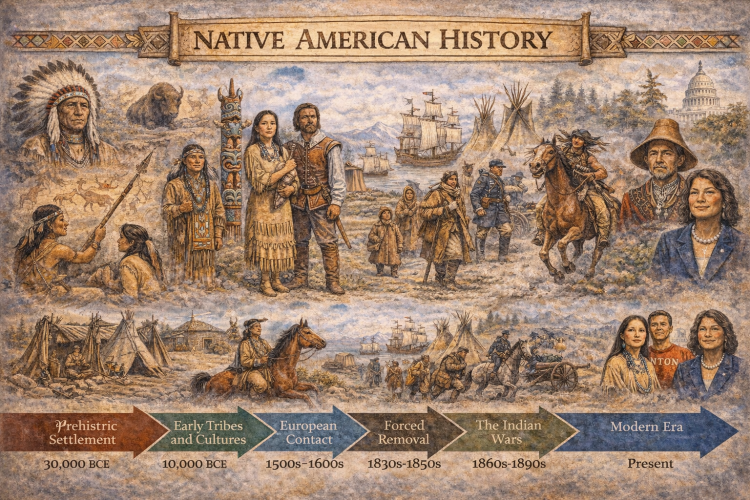
Early Migration to the Americas
Most scholars agree that the first inhabitants of North America migrated from Asia during the last Ice Age. Lower sea levels created a land connection—known as the Bering Land Bridge—between Siberia and present-day Alaska.
These migrations likely occurred in multiple waves over thousands of years. From Alaska, populations gradually spread southward and eastward, settling across North, Central, and South America. Over time, these groups adapted to a wide range of environments, laying the foundations for diverse Indigenous cultures.
Development of Hunting, Farming, and Trade
As Native American populations grew, societies developed different methods of survival based on their environments. Some groups relied primarily on hunting and gathering, while others practiced fishing or agriculture.
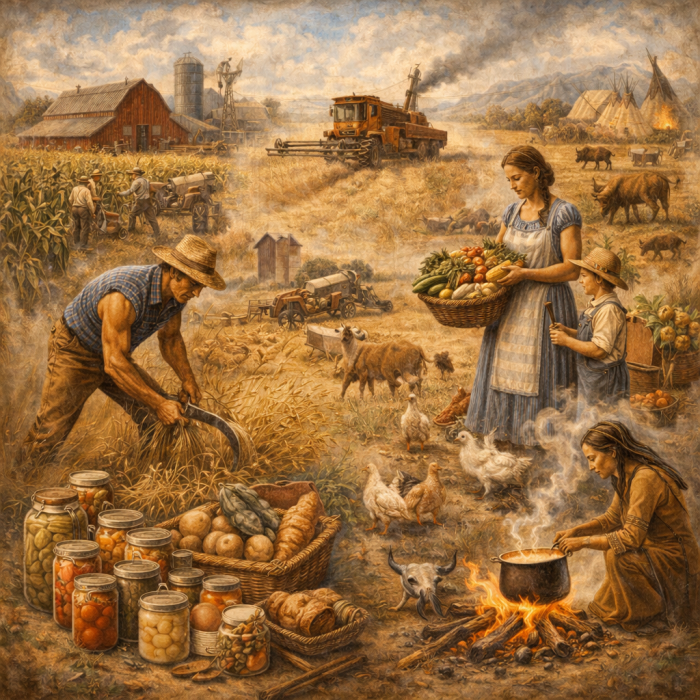
In many regions, Native Americans cultivated crops such as corn, beans, and squash, which supported permanent settlements and population growth. Trade networks emerged between tribes, allowing the exchange of food, tools, and cultural ideas across vast distances.
Complex Societies and Civilizations
By around 2000 BCE, many Indigenous societies had grown large and organized enough to support complex political and social structures. In some regions, tribes formed alliances or confederations, while others developed centralized leadership.
In Mesoamerica and South America, powerful civilizations emerged. The Maya, Aztec, and Inca built large cities, developed advanced knowledge of astronomy and agriculture, and governed extensive territories. These civilizations were still flourishing when Europeans arrived in the late 15th and early 16th centuries.
European Arrival and Early Contact
In 1492, Christopher Columbus’s voyage brought the Americas into sustained contact with Europe. Spanish, French, and later British expeditions followed, seeking land, wealth, and trade opportunities.
Early interactions between Native Americans and Europeans varied. Some involved cooperation and trade, while others quickly turned violent. One of the most devastating consequences of contact was the spread of European diseases, such as smallpox and measles, which caused catastrophic population losses among Indigenous peoples who lacked immunity.
Conquest and Colonization
Spanish expeditions led by conquistadors sought to conquer and control large parts of the Americas. In Central America, Hernán Cortés defeated the Aztec Empire in the early 16th century. In South America, Francisco Pizarro led the conquest of the Inca Empire beginning in 1532.
These conquests marked the beginning of European colonial rule across much of the Americas. Indigenous political systems were dismantled, lands were seized, and Native populations were subjected to forced labor, religious conversion, and colonial authority.
Expansion of European Settlement in North America
While Spain dominated much of Central and South America, other European powers focused on North America. French traders established fur networks, while British settlers founded colonies along the Atlantic coast.
As colonial populations expanded inland, competition for land increased. Treaties were frequently broken, and conflicts between Native American tribes and European settlers became more common. Despite periods of resistance and alliance-building, Indigenous communities faced increasing pressure from expanding colonies.
War, Removal, and U.S. Expansion
After the founding of the United States in 1776, westward expansion accelerated. Federal and state governments pursued policies that displaced Native American tribes from their ancestral lands.
Throughout the 18th and 19th centuries, Native Americans fought numerous wars to defend their territories. Ultimately, many tribes were forcibly removed to reservations through treaties, military action, and government policies such as the Indian Removal Act.
Native Americans in the Modern Era
By the late 19th and early 20th centuries, Native Americans faced severe restrictions on land ownership, cultural practices, and political rights. Over time, reform movements and activism led to gradual improvements.
In the modern era, Native American tribes have regained certain rights, including self-governance, cultural preservation, and religious freedom. Today, Indigenous communities continue to play an important role in American society while maintaining distinct identities and traditions.