Quick Links
Arctic Region
The Arctic region was home to Native peoples adapted to some of the harshest climates on the continent.
Major groups included the Inuit, Yupik, and Aleut peoples.
Communities relied on hunting marine animals such as seals and whales. Seasonal movement was common, and housing ranged from temporary shelters to semi-permanent snow and sod structures.
Subarctic Region
The Subarctic region bordered the Arctic and consisted largely of forests, tundra, and wetlands.
Notable tribes included the Cree, Ojibwa (Chippewa), and Naskapi.
Populations were generally smaller due to limited food resources, and survival depended heavily on hunting caribou, deer, and fishing.
Northeast Region
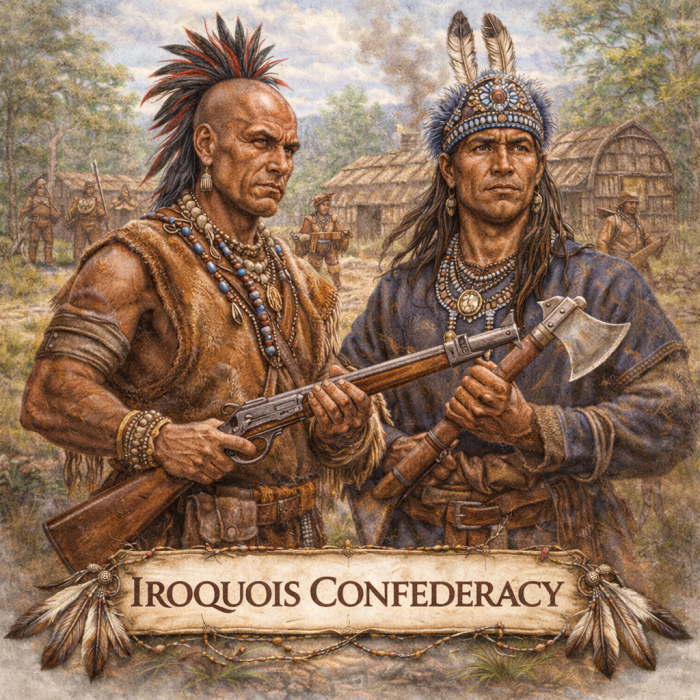
The Northeast region stretched from the Atlantic coast into the Great Lakes.
Important tribes included the Iroquois (Haudenosaunee) and Algonquian-speaking peoples such as the Delaware, Shawnee, Ottawa, and Huron.
Because Europeans first settled in this region, Northeast tribes were among the earliest to experience sustained contact, trade, warfare, and displacement.
Southeast Region
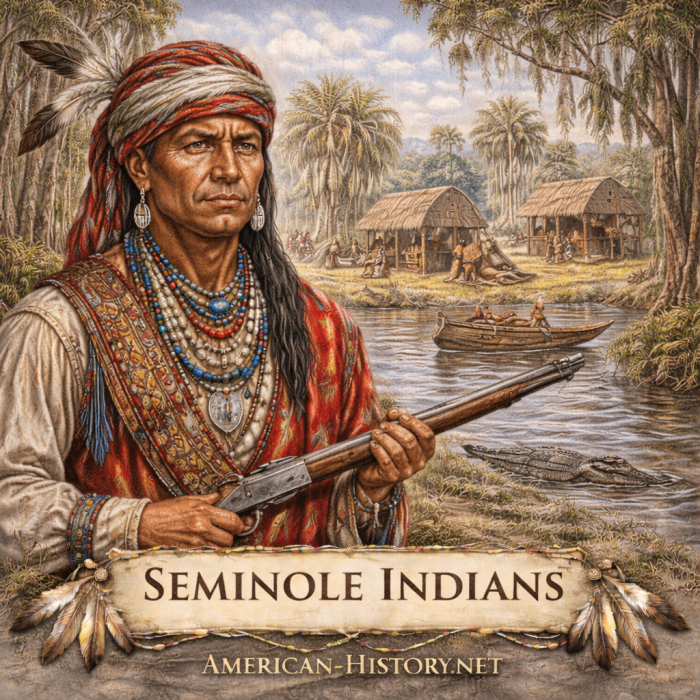
The Southeast was one of the most fertile regions in North America and supported large agricultural societies.
Major tribes included the Cherokee, Creek, Seminole, Chickasaw, and Choctaw, often referred to historically as the Five Civilized Tribes.
Despite long-established settlements and farming traditions, most Southeast tribes were forcibly removed westward during the 19th century.
Great Plains Region
The Great Plains stretched from the Mississippi River to the Rocky Mountains and was dominated by vast grasslands and buffalo herds.
Key tribes included the Lakota, Dakota, Cheyenne, Comanche, Blackfoot, Pawnee, and Crow.
Plains cultures became highly mobile after adopting the horse. The destruction of buffalo herds and U.S. military campaigns ultimately led to widespread displacement.
Great Basin Region
The Great Basin lay between major mountain ranges in the western United States and featured deserts and limited water sources.
Tribes such as the Shoshone, Bannock, Ute, and Washoe adapted through foraging, hunting, and later horse culture.
Gold and silver discoveries in the 19th century accelerated settler expansion and forced relocation.
Plateau Region
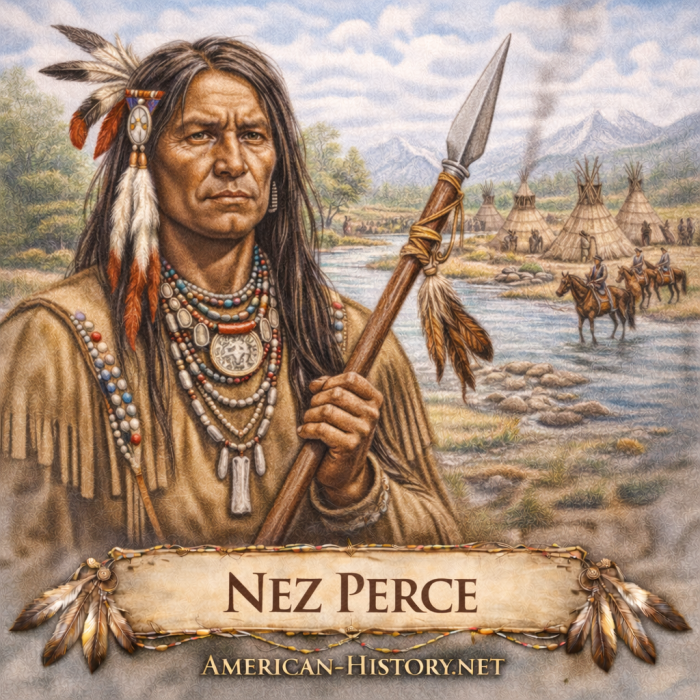
The Plateau region covered parts of modern-day Idaho, Oregon, Washington, and Montana.
Tribes such as the Nez Perce, Yakama, Salish, and Klamath relied heavily on fishing, especially salmon, before incorporating horse-based hunting.
The region became a major conflict zone during westward expansion.
Southwest Region
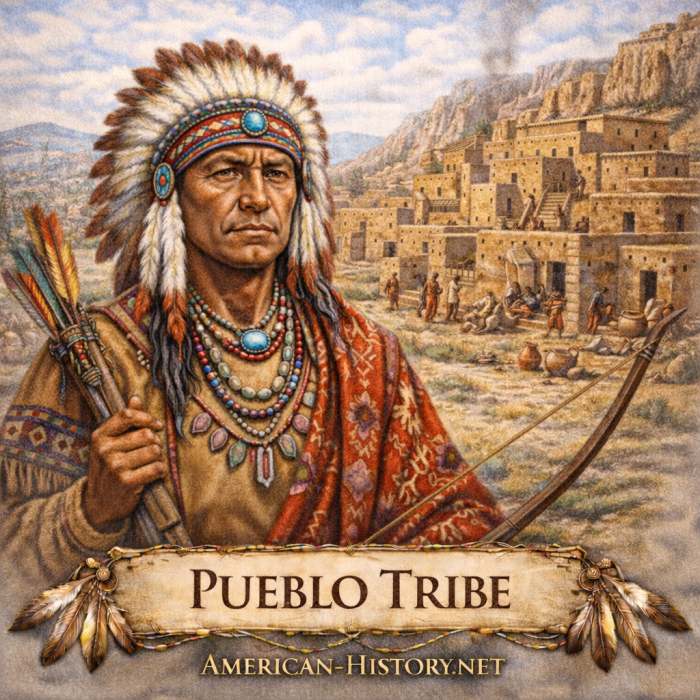
The Southwest included present-day Arizona, New Mexico, Utah, Colorado, and parts of Texas.
Tribes such as the Pueblo lived in permanent agricultural settlements, while others like the Apache and Navajo maintained more mobile lifeways.
Spanish, Mexican, and later U.S. control deeply shaped the region’s conflicts and relocations.
California Region
California supported one of the most diverse Native populations in North America.
Tribes included the Chumash, Miwok, Hupa, Karuk, and Mohave.
Early Spanish colonization, mission systems, disease, and forced labor led to catastrophic population losses.
Northwest Coast Region
The Northwest Coast extended along the Pacific coastline from northern California into Alaska.
Tribes such as the Tlingit, Haida, Chinook, and Tillamook developed complex societies supported by fishing, trade, and abundant natural resources.
Large villages, social hierarchies, and ceremonial traditions distinguished the region.
- Expanded regional tribe timelines
- Interactive tribal maps by region
- Individual tribe profile expansions
- Pre-contact population estimates