
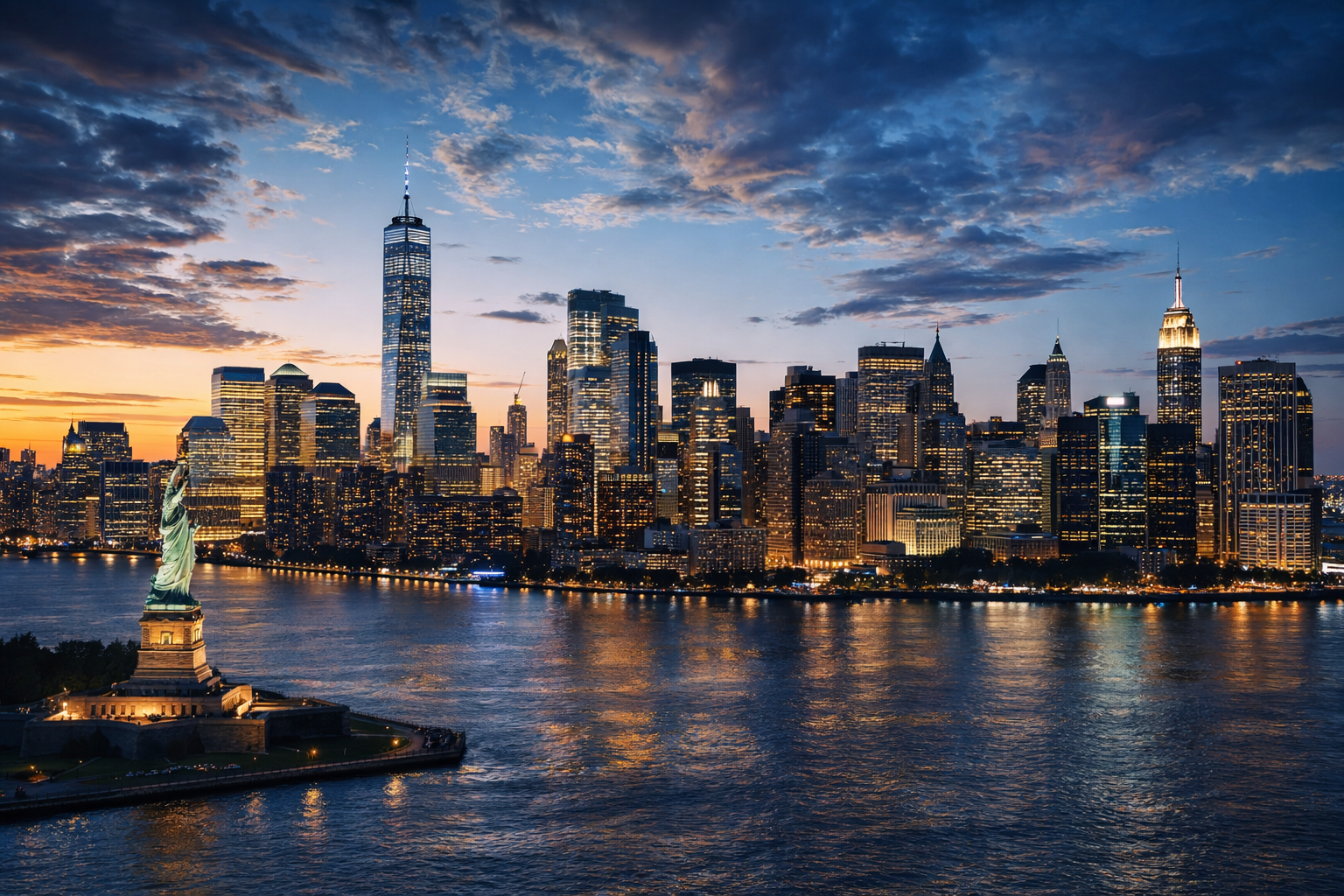
The 21st century has been one of the most turbulent and transformative periods in American history. Marked by terrorism, global conflict, economic upheaval, rapid technological change, and political polarization, the era has reshaped how Americans live, govern, and interact with the world.
Unlike earlier centuries defined by territorial expansion or industrial growth, modern America has been shaped by globalized crises, digital communication, and constant media exposure. Many of the defining events of this era are still unfolding, making it a living chapter of history.
🔎 Explore Key Moments of 21st Century America
Click each topic to reveal how major events have shaped the United States since 2001.
September 11 Attacks & the War on Terror
The attacks of September 11, 2001 killed nearly 3,000 people and triggered the War on Terror, reshaping U.S. foreign policy, national security, and civil liberties for decades.
Global Wars & American Military Power
Prolonged conflicts in Afghanistan and Iraq demonstrated America’s unmatched military reach—while raising questions about intervention, cost, and long-term stability.
Economic Crisis & the Great Recession
The Great Recession (2007–2009) caused mass unemployment, home foreclosures, and financial collapse—forcing unprecedented federal intervention and reshaping economic policy.
Political Change & Polarization
From the election of Barack Obama to the rise of populism and the presidency of Donald Trump, the era has been defined by deep political and cultural division.
Technology, Media & Social Change
The explosion of the internet, social media, and smartphones transformed communication, politics, activism, and everyday life—often amplifying division and misinformation.
America’s Role in a Changing World
The United States remains a global power, but faces rising competitors, shifting alliances, and debates over leadership, intervention, and responsibility in an interconnected world.
The September 11 Attacks & the War on Terror
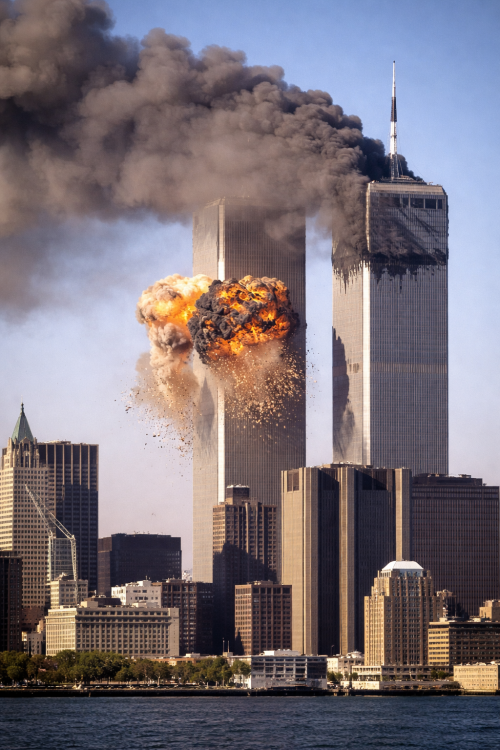
The defining event of early 21st century America occurred on September 11, 2001, when coordinated terrorist attacks by al-Qaeda killed nearly 3,000 people.
Immediate consequences included:
- The destruction of the World Trade Center
- A direct attack on the Pentagon
- A dramatic shift in national security policy
In response, the United States launched the War on Terror, fundamentally altering:
- Foreign policy
- Domestic surveillance
- Civil liberties
- Military engagement abroad
Global Conflict & American Military Power
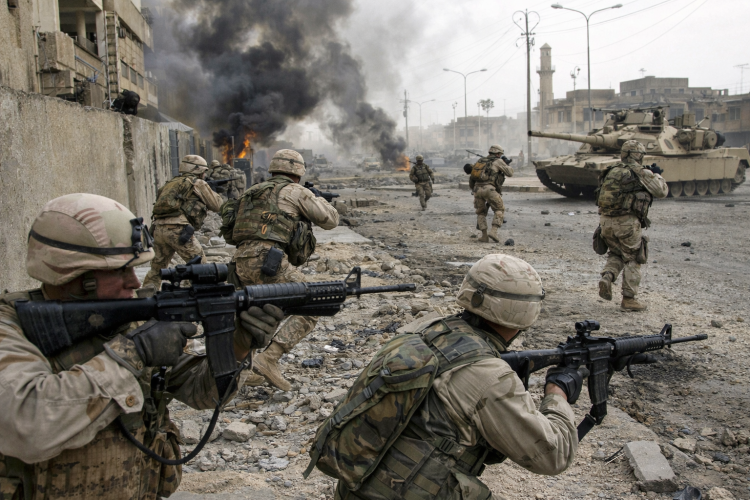
Following 9/11, the United States engaged in prolonged military conflicts overseas.
Key conflicts included:
- War in Afghanistan (2001–2021)
- Iraq War (beginning in 2003)
These wars demonstrated:
- America’s unmatched military reach
- The difficulty of achieving long-term political stability
- Growing public debate over interventionism and cost
Natural Disasters & National Resilience
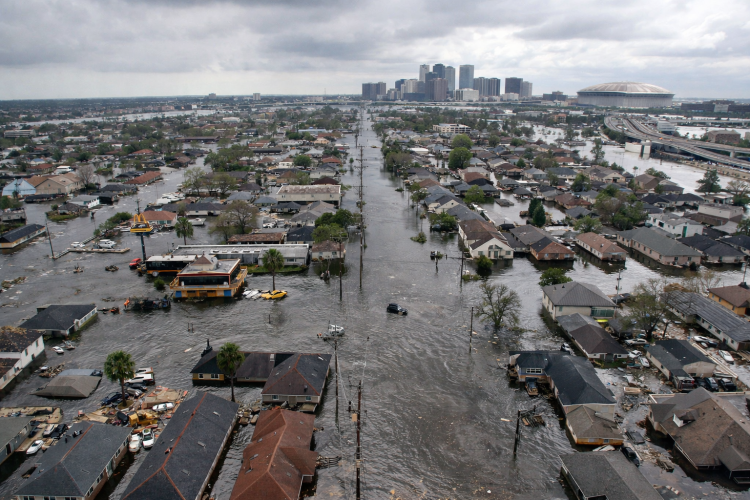
Domestic crises also shaped the era. In 2005, Hurricane Katrina devastated the Gulf Coast and flooded much of New Orleans.
The disaster exposed:
- Weaknesses in infrastructure
- Failures in government response
- Deep social and economic inequality
Katrina became a turning point in national discussions about climate risk, emergency preparedness, and federal responsibility.
💰 Economic Crisis: The Great Recession
The Great Recession (2007–2009) was the most severe economic downturn in the United States since the Great Depression of the 1930s. Triggered by a collapse in the housing market and widespread financial instability, the crisis affected nearly every aspect of American life.
Major impacts included:
- Collapse of the housing market, driven by subprime mortgage failures
- Failure or bailout of major financial institutions
- Widespread unemployment and millions of home foreclosures
In response, the federal government implemented emergency measures to stabilize the economy, including bank bailouts, stimulus spending, and financial reform. Although these actions helped prevent a deeper collapse, the crisis permanently reshaped public attitudes toward:
- Wall Street and corporate power
- Government regulation of financial markets
- Economic inequality and job security
Political Change & Growing Polarization
The 21st century saw dramatic political shifts.
Notable moments include:
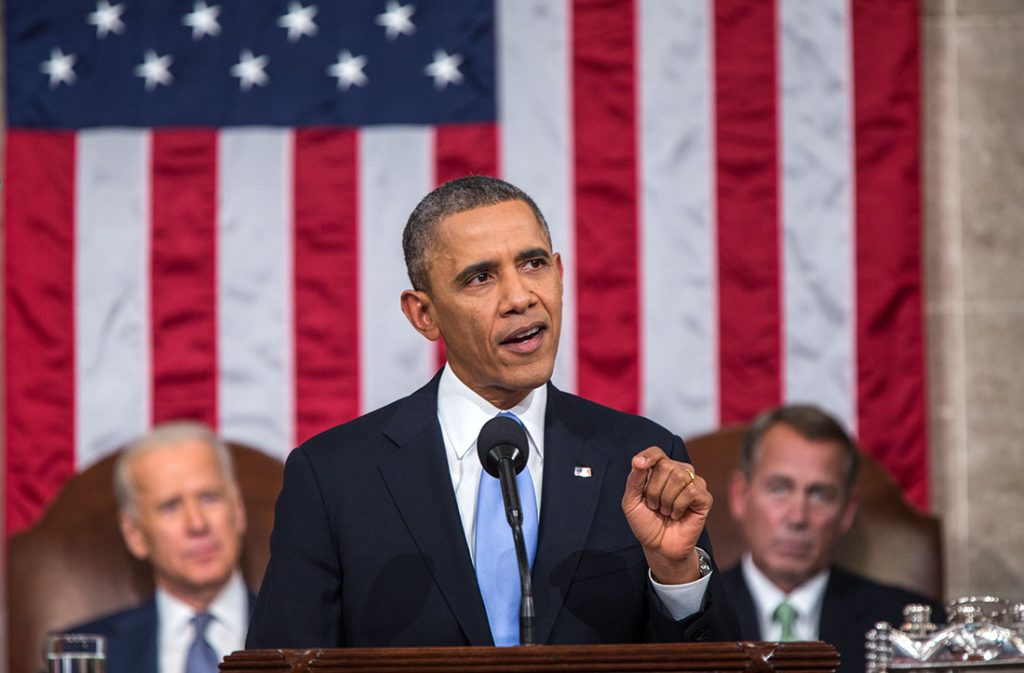
- Election of Barack Obama (2008) — the first African American president
- Expanded debates over healthcare, race, and global leadership
- Rising political polarization amplified by social media
In 2016, the election of Donald Trump reflected deep divisions over:
- Globalization
- Immigration
- Media trust
- National identity
Terrorism, Security & the End of an Era
In 2011, U.S. forces killed Osama bin Laden, marking a symbolic milestone in the War on Terror.
However, global security threats continued, including:
- The rise of ISIS
- Ongoing instability in the Middle East
- Evolving forms of asymmetric warfare
Technology, Media & Cultural Transformation
Technology has been the most powerful force shaping modern America.
Key developments include:
- The rise of the internet and smartphones
- Growth of social media platforms
- 24-hour news and algorithm-driven content
These changes transformed:
- Political campaigns
- Social movements
- Information sharing
- Public trust and discourse

America’s Role in a Changing World
By the early 21st century, the United States remained a global superpower, but faced new challenges from:
- Rising international competitors
- Economic interdependence
- Shifting global alliances
Debates intensified over:
- America’s global responsibility
- Military intervention
- Economic leadership
Legacy of 21st Century America (So Far)
The 21st century has tested the United States in unprecedented ways.
Defining themes include:
- Persistent security threats
- Economic volatility
- Rapid technological change
- Deep political and cultural divisions
Understanding this era is essential to understanding modern American identity, governance, and global influence.
❓ The Great Recession — Frequently Asked Questions
What caused the Great Recession?
The crisis was triggered by a collapse in the housing market, risky lending practices, and the widespread use of complex financial products tied to subprime mortgages.
How did the recession affect everyday Americans?
Millions of Americans lost jobs, homes, and retirement savings. Foreclosures rose sharply, and economic insecurity became widespread across the middle and working classes.
Why did the government intervene in the economy?
Federal intervention aimed to prevent total financial collapse, stabilize banks, restore confidence, and reduce unemployment through stimulus spending.
Was the Great Recession similar to the Great Depression?
While less severe, the Great Recession was the worst downturn since the 1930s. Faster government action helped prevent a depression-level collapse.
How did the recession change public attitudes?
Trust in Wall Street declined, debates over regulation intensified, and concerns about economic inequality became central political issues.
Why is the Great Recession historically important?
It reshaped U.S. economic policy, influenced elections, and defined debates about capitalism, regulation, and social safety nets in the 21st century.
🧠 The Great Recession — Knowledge Quiz
Test your understanding of the 2007–2009 economic crisis. Click Submit to reveal answers — green = correct, red = incorrect.
📚 Glossary: The Great Recession
Great Recession
The severe global economic downturn from 2007–2009 marked by financial collapse and high unemployment.
Subprime Mortgage
A high-risk home loan issued to borrowers with weak credit, central to the housing crisis.
Foreclosure
The legal process by which lenders seize homes after borrowers fail to make mortgage payments.
Bank Bailout
Government financial support provided to stabilize failing banks and prevent systemic collapse.
Stimulus Package
Federal spending designed to boost economic activity and reduce unemployment during a downturn.
Economic Inequality
The uneven distribution of income and wealth, highlighted sharply by the recession.