
The Vietnam War (1955–1975) was a prolonged and divisive conflict fought in Southeast Asia between communist North Vietnam and anti-communist South Vietnam, with the United States and its allies playing a central role on the southern side. It formed a major front in the wider Cold War, reflecting the global struggle between communism and capitalism.
What began as a post–World War II anti-colonial struggle evolved into one of the most controversial wars in modern history. The conflict deeply affected Vietnam, reshaped American foreign policy, and left a lasting impact on global politics and public opinion.
🇺🇸 Click to Reveal: Understanding the Vietnam War
Why did Vietnam become a Cold War battleground?
After World War II, Vietnam became a focal point of the Cold War rivalry. The United States sought to prevent communist expansion in Southeast Asia, while the Soviet Union and China supported North Vietnam, turning a local conflict into an international proxy war.
What was the domino theory?
The domino theory held that if one nation fell to communism, neighboring countries would soon follow. U.S. leaders feared that losing Vietnam would trigger communist takeovers across Asia, influencing decisions to escalate American involvement.
Who were the Viet Cong?
The Viet Cong were communist guerrilla fighters operating in South Vietnam. They relied on ambush tactics, local support, and underground networks to fight U.S. and South Vietnamese forces, making conventional military strategies ineffective.
Why was guerrilla warfare so effective?
Dense jungles, difficult terrain, and civilian populations allowed guerrilla forces to blend in and strike unexpectedly. Superior American firepower could not easily defeat an enemy that avoided traditional battles.
Why was the Tet Offensive a turning point?
Although militarily unsuccessful for communist forces, the Tet Offensive (1968) shocked the American public. It contradicted official claims that victory was near and greatly weakened domestic support for the war.
Why did opposition grow inside the United States?
Rising casualties, graphic media coverage, the draft, and revelations such as the Pentagon Papers fueled public distrust. Protests became a defining feature of American society during the late 1960s.
What was Vietnamization?
Introduced by President Nixon, Vietnamization aimed to reduce U.S. troop levels by transferring combat responsibilities to South Vietnamese forces while maintaining American air and logistical support.
Why does the Vietnam War still matter today?
The war reshaped U.S. foreign policy, military strategy, and public trust in government. Its lessons continue to influence debates about intervention, warfare, and the limits of military power.
Cold War Context: Communism vs Capitalism
After World War II, the international system became dominated by two rival superpowers: the United States and the Soviet Union. Each promoted a competing political and economic ideology. The United States supported capitalism and democratic governance, while the Soviet Union championed communism.
Both powers sought to expand their influence worldwide, often supporting opposing sides in regional conflicts rather than fighting each other directly. This pattern of indirect confrontation became known as the Cold War, and the Vietnam War was one of its most significant and costly proxy wars.
Origins of the Conflict in Vietnam
Before World War II, Vietnam was a French colony. During the war, Vietnamese communist forces led by Ho Chi Minh fought against Japanese occupation. After Japan’s defeat, these forces sought independence from France.
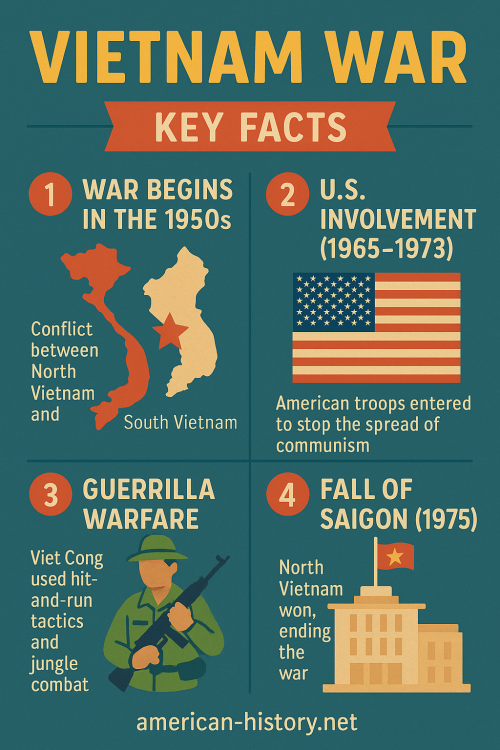
The resulting conflict, known as the First Indochina War, ended in 1954 with the French defeat at Dien Bien Phu. Vietnam was temporarily divided along the 17th parallel, creating:
- North Vietnam, led by a communist government
- South Vietnam, backed by Western powers
Planned national elections to reunify the country were never held, deepening the division and setting the stage for prolonged war.
Growing American Involvement
Initially, the United States supported France in its effort to retain control over Vietnam. After the French withdrawal, the U.S. shifted its support to South Vietnam, viewing the region through the lens of the “domino theory”—the belief that if one country fell to communism, neighboring countries would follow.
Throughout the late 1950s and early 1960s, the U.S. provided economic aid, military advisers, and training to the South Vietnamese government. As communist guerrilla forces known as the Viet Cong intensified their insurgency, American involvement steadily increased.
🗓️ Vietnam War Timeline
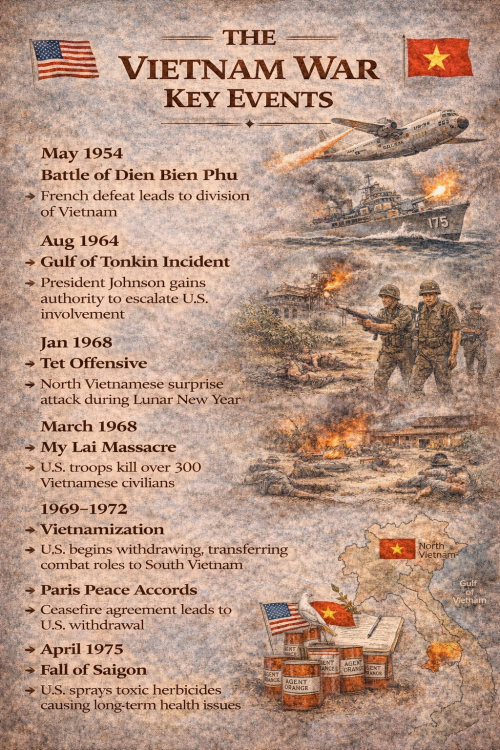
- 1954 – France is defeated at Dien Bien Phu; Vietnam is divided at the 17th parallel.
- 1955 – Formation of North and South Vietnam; conflict escalates.
- 1961–1963 – U.S. increases military advisers under President Kennedy.
- 1964 – Gulf of Tonkin Incident leads to expanded U.S. authority.
- 1965 – First large-scale deployment of U.S. combat troops.
- 1968 – Tet Offensive shocks American public opinion.
- 1969 – Nixon begins Vietnamization and troop withdrawals.
- 1973 – Paris Peace Accords; U.S. ends direct involvement.
- 1975 – Fall of Saigon; Vietnam reunified under communist rule.
The Kennedy Years
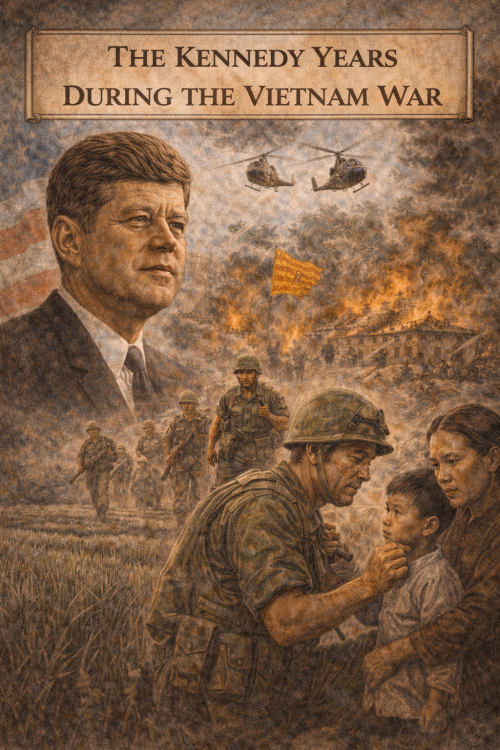
Under President John F. Kennedy, U.S. involvement expanded significantly. While Kennedy stopped short of committing large combat forces, he dramatically increased the number of American military advisers and approved covert operations against communist forces.
At the same time, the South Vietnamese government struggled with corruption and political instability. In 1963, South Vietnamese leader Ngo Dinh Diem was overthrown and killed in a coup that occurred with U.S. knowledge and support, further destabilizing the region.
The Gulf of Tonkin and Full-Scale War
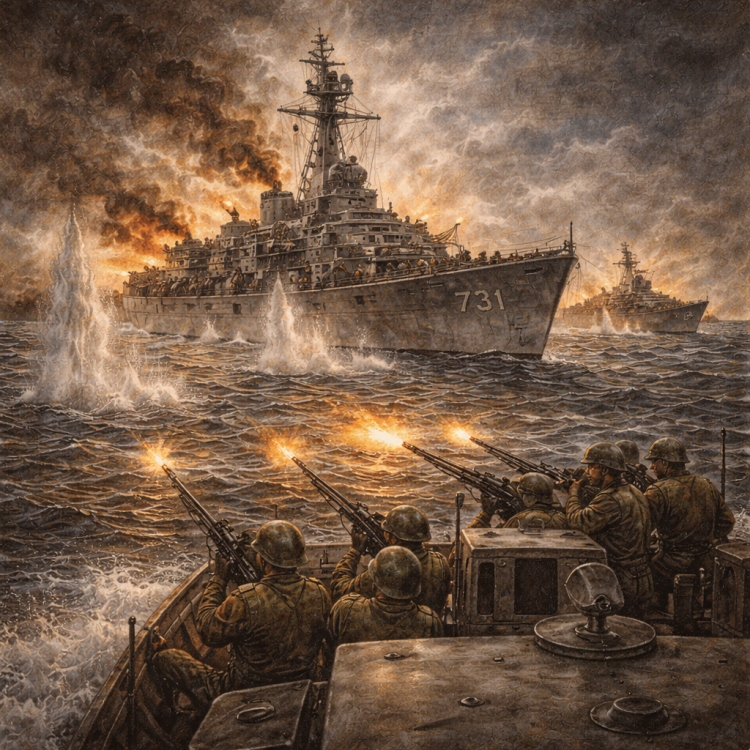
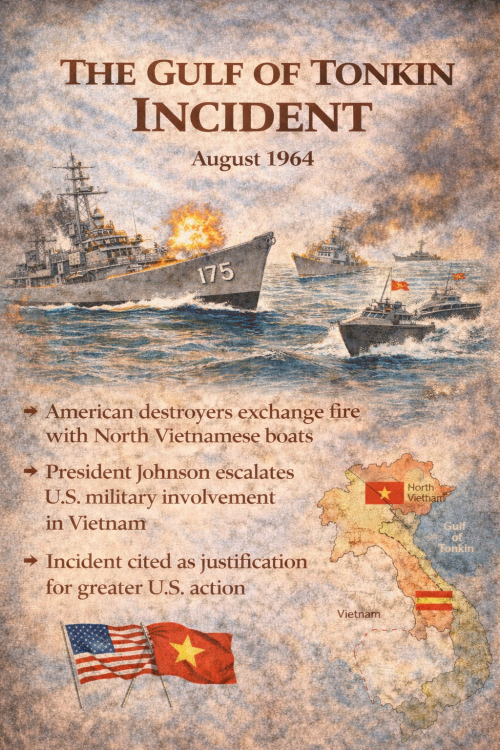
In 1964, reports of attacks on U.S. naval vessels in the Gulf of Tonkin prompted Congress to pass the Gulf of Tonkin Resolution, granting the president broad authority to use military force in Vietnam.
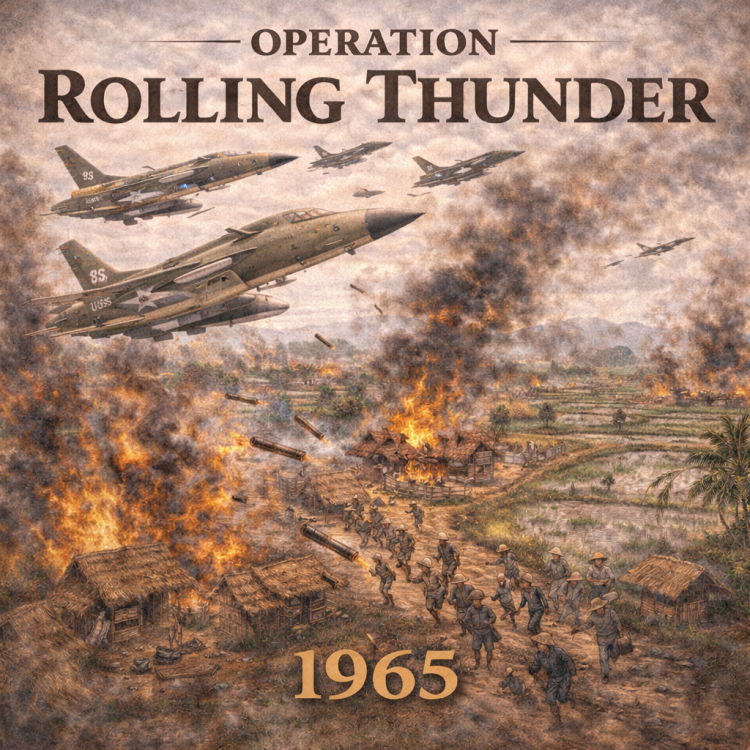
This marked a turning point. By 1965, the United States had begun large-scale bombing campaigns against North Vietnam and deployed hundreds of thousands of ground troops. The conflict escalated into a full-scale war involving massive military resources.
⚔️ Fighting the War: 1965–1969
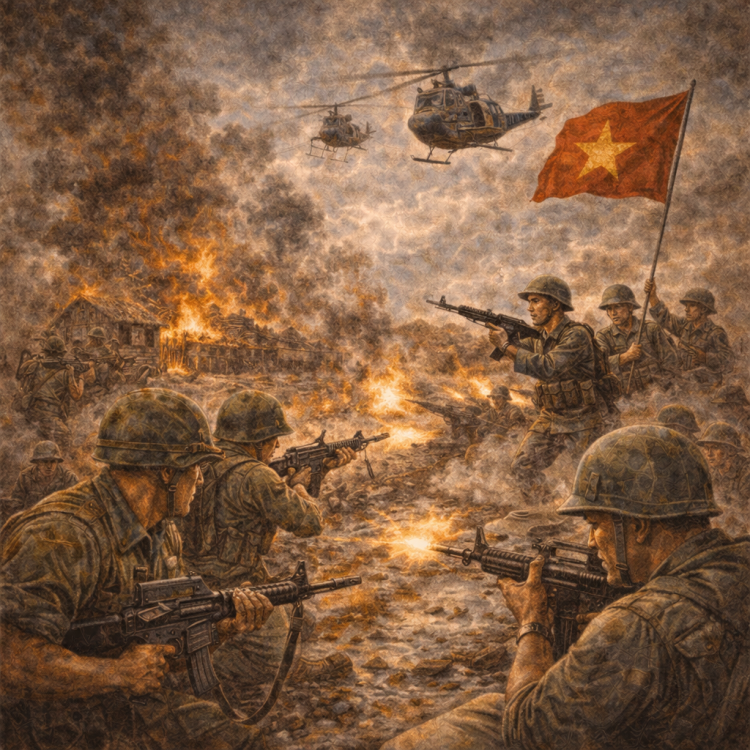
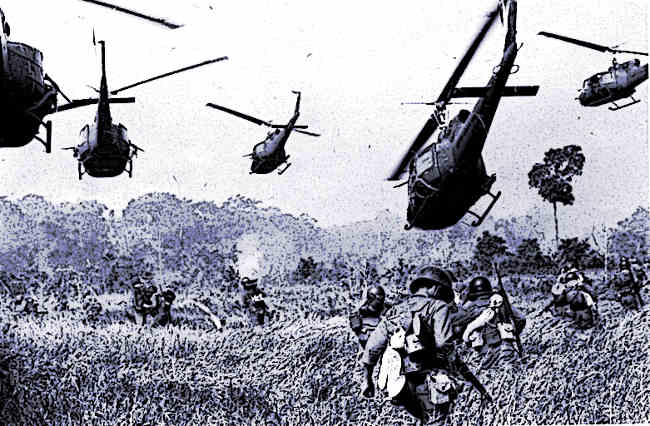
Between 1965 and 1969, American forces faced a difficult and unconventional conflict in Vietnam. The Viet Cong and the North Vietnamese Army relied heavily on guerrilla warfare, blending into civilian populations and using jungles, villages, and rugged terrain to their advantage.
Despite overwhelming firepower, air superiority, and technological advantages, U.S. forces struggled to achieve decisive victories. Traditional military tactics proved ineffective against an enemy that avoided open battles and relied on surprise attacks and mobility.
The Tet Offensive of 1968, although a military setback for communist forces, became a psychological and political turning point. The scale and coordination of the attacks shocked the American public and undermined official claims that victory was near, dramatically weakening domestic support for the war.
Nixon, Vietnamization, and Withdrawal
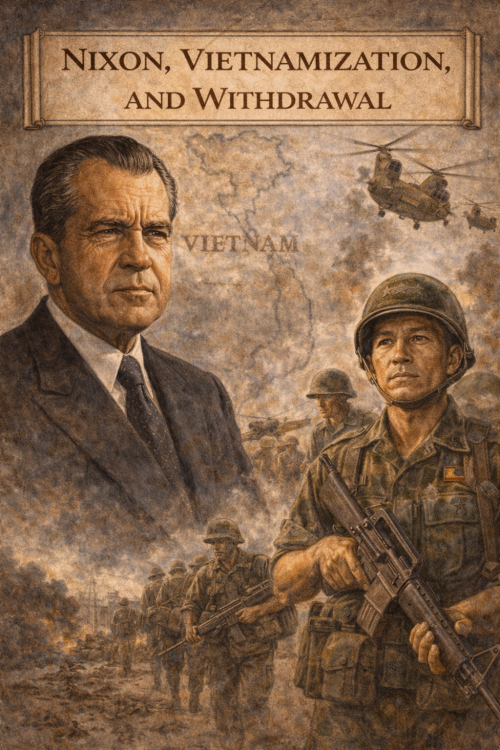
When Richard Nixon became president in 1969, he introduced a policy known as Vietnamization, aimed at gradually transferring combat responsibilities to South Vietnamese forces while withdrawing American troops.
At the same time, the war expanded into neighboring countries such as Cambodia and Laos, provoking further domestic opposition. As troop withdrawals continued, American public support for the war collapsed.
In 1973, the United States formally ended its direct military involvement following the Paris Peace Accords.
Domestic Opposition in the United States
The Vietnam War sparked one of the largest anti-war movements in American history. Protesters included students, civil rights activists, veterans, and public figures. Opposition was fueled by rising casualties, televised coverage of the war, and revelations such as the Pentagon Papers.
High-profile acts of resistance, including draft refusals and mass demonstrations, placed intense pressure on the U.S. government to end the conflict.
The Fall of South Vietnam
After U.S. forces withdrew, fighting continued between North and South Vietnam. Without American military support, South Vietnamese defenses weakened rapidly.
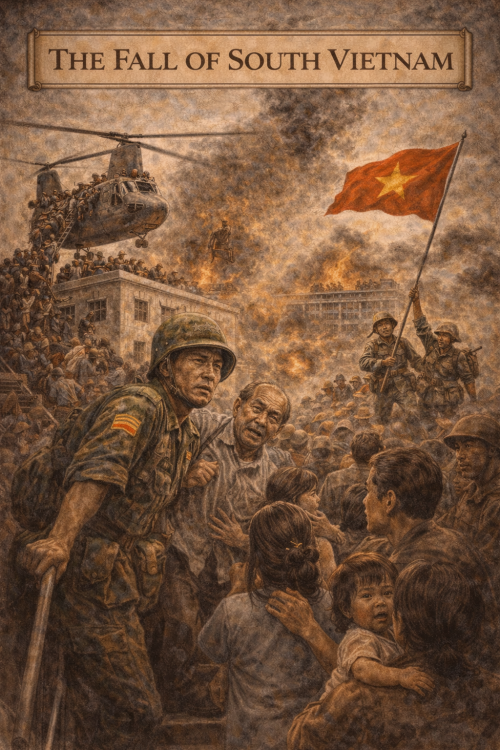
In 1975, North Vietnamese forces launched a major offensive. South Vietnam collapsed, and the capital city of Saigon fell in April 1975, marking the end of the war. Vietnam was reunified under communist rule.
Aftermath and Legacy
The Vietnam War resulted in immense human suffering. Between one and four million Vietnamese civilians and soldiers died, along with nearly 60,000 American troops. The war left lasting scars on Vietnamese society and deeply divided the United States.
Internationally, the conflict reshaped American foreign policy, leading to greater caution in overseas military interventions. The war also influenced future Cold War dynamics and continued conflicts in Southeast Asia, particularly in Cambodia and Laos.
The Vietnam War remains one of the most studied and debated conflicts of the twentieth century.
❓ Vietnam War – Frequently Asked Questions
Why did the Vietnam War begin?
The Vietnam War grew out of the Cold War rivalry between the United States and the Soviet Union. After World War II, Vietnam was divided into a communist North and an anti-communist South. The conflict escalated as the U.S. sought to prevent the spread of communism in Southeast Asia under the domino theory.
Why did the United States get involved?
The U.S. intervened to support South Vietnam, believing its collapse would lead to wider communist expansion. American leaders feared losing credibility with allies and viewed Vietnam as a key battleground in the global Cold War.
Who were the Viet Cong?
The Viet Cong were communist guerrilla fighters operating in South Vietnam. They relied on ambush tactics, local support, and knowledge of the terrain to fight both South Vietnamese forces and U.S. troops.
Why was the war so difficult for the U.S. to win?
The war lacked clear front lines, relied heavily on guerrilla warfare, and had limited public support at home. U.S. military superiority could not overcome political instability in South Vietnam or the determination of North Vietnamese forces.
What role did public opinion play?
Media coverage, rising casualties, and events like the Tet Offensive caused many Americans to question government claims. Widespread protests pressured leaders to reduce involvement and eventually withdraw.
How did the Vietnam War end?
After U.S. withdrawal in 1973, North Vietnam launched a final offensive. Saigon fell in April 1975, ending the war and reunifying Vietnam under communist rule.
🧠 Vietnam War Knowledge Quiz
📘 Vietnam War Glossary
Cold War
A prolonged global struggle between the United States and the Soviet Union after World War II, marked by proxy wars, ideological rivalry, and political influence rather than direct military confrontation.
Domino Theory
The belief that if one country fell to communism, neighboring states would soon follow. This theory heavily influenced U.S. decisions to intervene in Vietnam.
Viet Cong
Communist guerrilla forces operating in South Vietnam who fought against U.S. and South Vietnamese troops using ambush tactics, underground networks, and civilian support.
Gulf of Tonkin Incident
A 1964 naval incident involving U.S. ships and North Vietnamese forces that led Congress to pass the Gulf of Tonkin Resolution, greatly expanding American military involvement.
Tet Offensive
A major surprise attack by North Vietnamese and Viet Cong forces in 1968. Though a military failure for the attackers, it marked a turning point in American public opinion.
Guerrilla Warfare
A form of irregular warfare using ambushes, hit-and-run tactics, and mobility. This strategy allowed smaller forces to challenge technologically superior armies.
Vietnamization
A policy introduced by President Richard Nixon to gradually withdraw U.S. troops while transferring combat responsibility to South Vietnamese forces.
Fall of Saigon
The capture of South Vietnam’s capital by North Vietnamese forces in April 1975, marking the official end of the Vietnam War and the reunification of Vietnam.
Background
Soon after the end of World War II, the Cold War broke out. This was a series of proxy wars between United States and the Soviet Russia. One of these wars was the Vietnam War. The war was fought between North Vietnam, supported by the communist nations, and South Vietnam supported by anti-communist nations. It continued from 1955 to 1975, ending with a complete victory of the North Vietnamese forces.
Communism vs Capitalism
At the end of World War II, the United States and Soviet Union emerged as the two world powers. Both had radical differences in terms of ideology. United States championed capitalism whereas Soviet Union became the global leader of the communists.
Both countries attempted to expand their sphere of influence across the globe. This led to the Cold War, a protracted confrontation between the two nations involving several countries. The Vietnam War was a part of this conflict. And in this war, the communist forces were pitted against the anti-communist forces.
Events Leading to the War
Before World War II, Vietnam was a French colony. The communist forces of Vietnam were supported during World War II in a bid to defeat Japan. After the war, the communist groups began an insurgency against French rule. This conflict soon became a part of the Cold War.
By 1950, two separate governments in Vietnam had come into being. The one based in North Vietnam was recognized by Soviet Union, China and communist allies. The one based in South Vietnam was seen by United States and its western allies as the legitimate Vietnamese government.
American Involvement in the War
Initially, the French countered the communist insurgents. Until 1955, United States supported the French colonial government in fighting the war. However, French efforts failed and the French surrendered in 1954. After the surrender, Vietnam was partitioned and United States began actively supporting South Vietnamese government.
United States effectively took over the responsibility of supporting the economy and ensuring the security of South Vietnam. When a communist guerrilla group known as Viet Cong launched guerrilla war in South Vietnam, United States became more militarily involved.
Vietnam War and Kennedy
In 1960, John F. Kennedy became the U.S. President. Kennedy would go on to increase the American involvement in Vietnam. He initially offered more aid and assistance to the South Vietnamese government. At the same time, more and more American advisers were embedded at every level of the South Vietnamese government.
However, the guerrilla attacks of the Viet Cong only continued to increase. American-backed South Vietnamese government was marred by corruption and incompetence. It all reached a climax when Ngo Dinh Diem, the de facto leader of South Vietnam, was killed in a coup supported by the United States.
Gulf of Tonkin Incident
By 1964, United States was actively planning a direct involvement in the Vietnam War. A number of minor incidents took place at a conveniently correct time to give U.S. the excuse to do so. Among these were some unconfirmed attacks on U.S. ships along the North Vietnam’s cost.
The U.S. government blamed these on communist guerrillas. In the wake of the attacks, U.S. extensively bombed North Vietnam. By 1965, U.S. had also deployed more than 200,000 ground troops.
Richard Nixon and Vietnam War
From 1965 to 1969, United States launched an offensive against Viet Cong forces. Ultimately, the offensive was a failure as Viet Cong successfully continued its guerrilla warfare tactics. By 1969, Richard Nixon was the President and he began the policy to withdraw American troops from Vietnam.
The withdrawal continued as the morale of the American troops in Vietnam completely collapsed. In 1973, the U.S. Congress formally resolved an end to American involvement in the Vietnam War.
Domestic opposition to Vietnam War
During the presidency of Richard Nixon, an anti-war movement gained widespread momentum across the United States. Many war veterans who had been injured or disabled during combat participated in the movement. Others like Muhammad Ali, the boxer, refused the draft and took a principled stance in opposition to the Vietnam War.
As the movement gained momentum, it put a significant pressure on the U.S. government to conclude its involvement in the war.
American Failure and Exit
By 1973, the Senate had effectively prohibited the U.S. President from intervening in the Vietnam War. This marked the end of American involvement. Ultimately, most of the U.S. war objectives were not met. The United States could not stem the tide of communism or Viet Cong.
U.S. advisers and military failed to equip the South Vietnamese government so that it could combat the communist insurgents on its own. Domestically, the U.S. government failed to rally support for the war and faced increasingly greater resistance.
The Result of the War
Once United States left the Vietnam War in 1973, Viet Cong and North Vietnam were able to go on the offensive. They built up infrastructure, logistics and support. In 1975, the North Vietnamese forces launched a large-scale offensive. The South Vietnamese military quickly collapsed in the face of this offensive.
City after city and province after province was lost to the North Vietnamese forces. By April, 1975, the North Vietnamese forces were knocking on the doors of Saigon, the seat of the South Vietnamese government. The city fell after some resistance and the Viet Cong flag was raised over it.
Aftermath of Vietnam War
The Vietnam War ultimately resulted in the victory of the North Vietnam. Both parts of Vietnam were united as a result and Vietnam effectively became a communist ally. The war proved very deadly for civilians, Vietnamese soldiers and American troops. Somewhere between 1 million and 4 million Vietnamese died during the war.
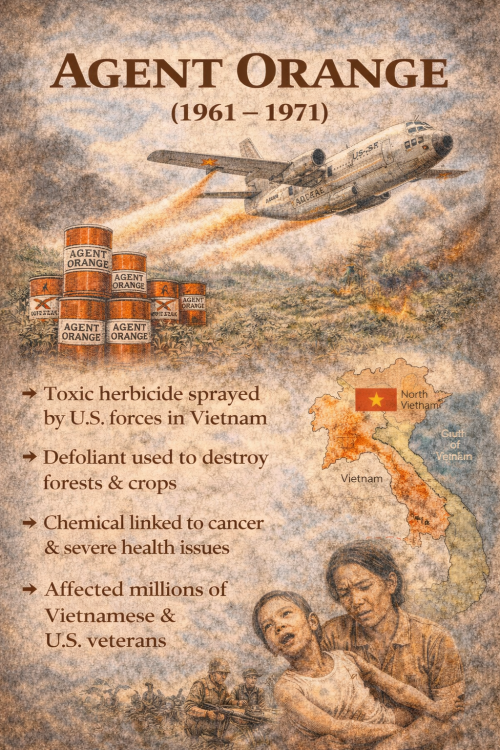
Nearly 60,000 American troops also died in the conflict. Many war crimes were committed during the war. U.S. forces famously used napalm, a chemical substance that severely burned its victims. Other brutalities were committed by both sides during the war. War in Southeast Asia would continue even after Vietnam War ended. Subsequent wars would involve Cambodia and Laos, neighbors of Vietnam.