
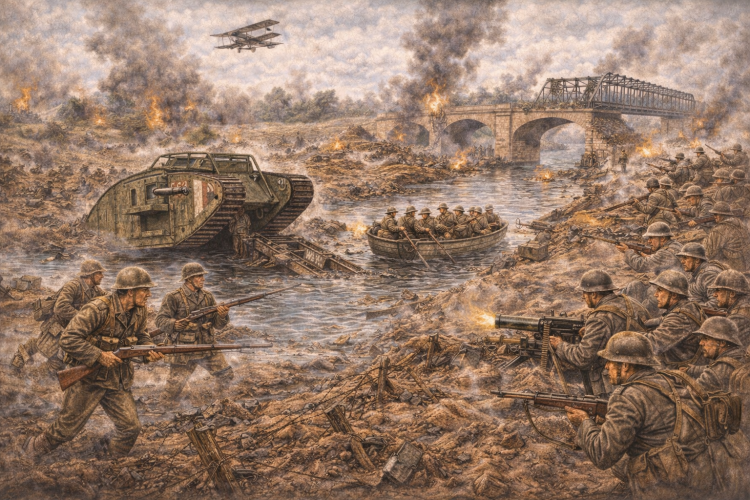
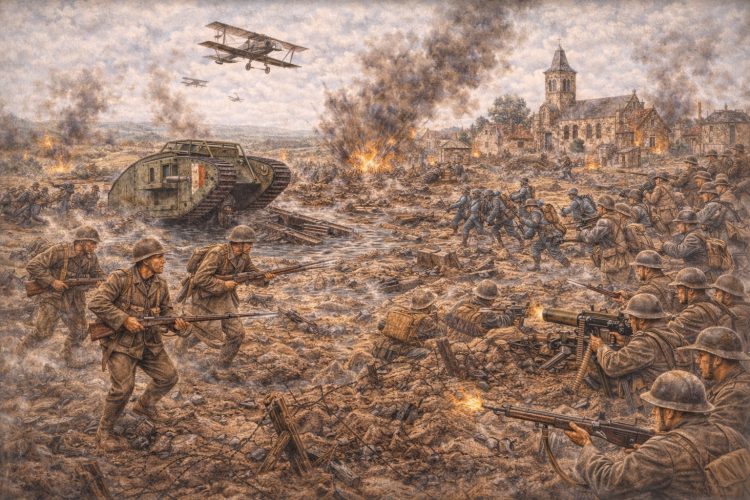
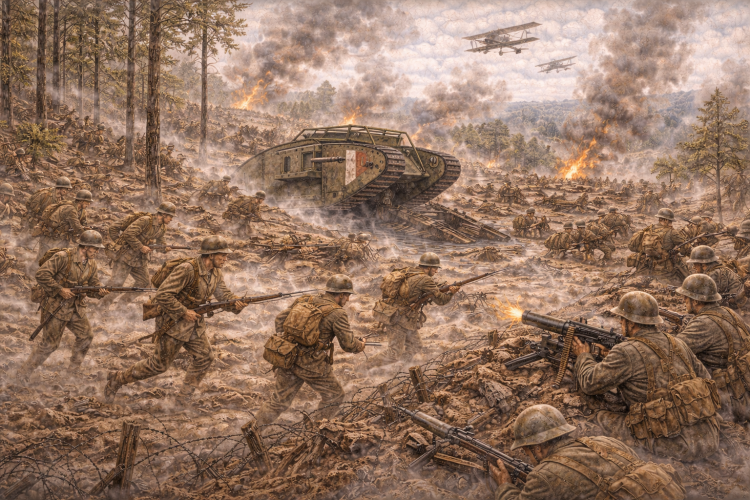
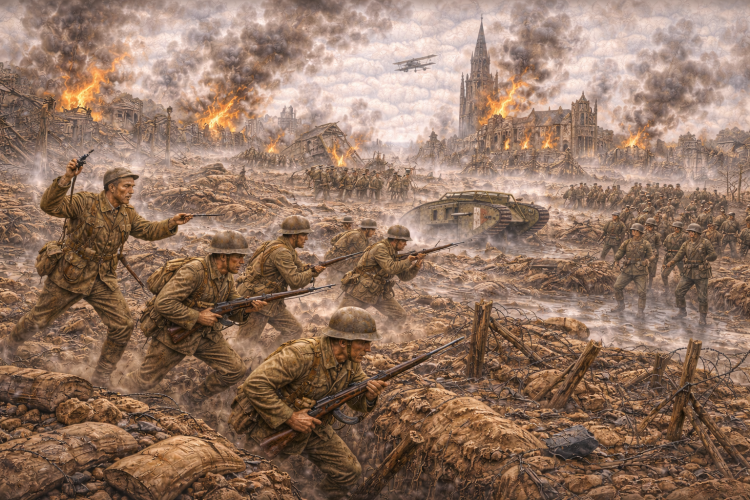
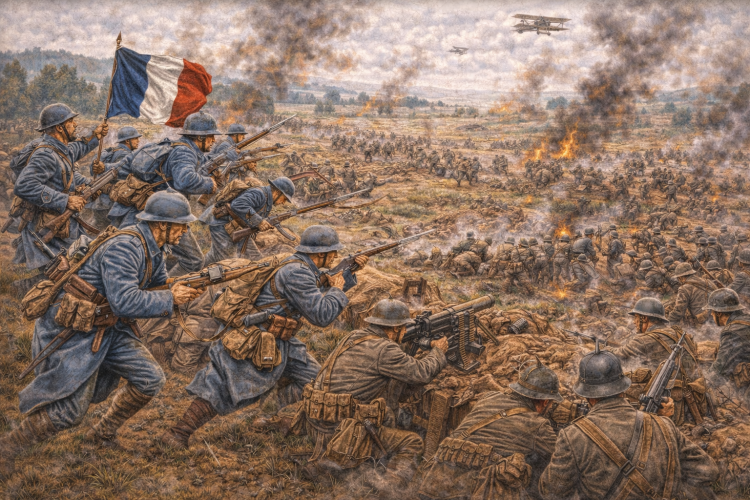
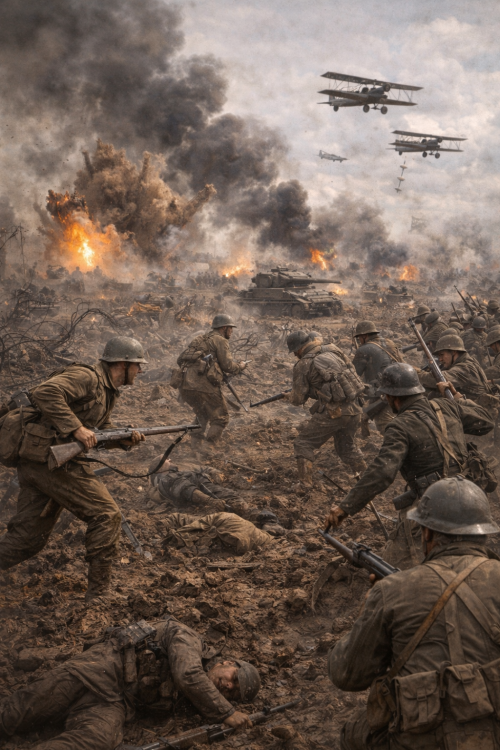
World War I, also known as the First World War, was a global conflict fought between 1914 and 1918 that involved most of the world’s major powers. What began as a European war quickly expanded into a worldwide struggle due to complex alliances, imperial rivalries, and global empires. The war reshaped international politics, destroyed long-standing empires, and laid the groundwork for many of the political conflicts of the 20th century.
🇺🇸 Click to Reveal: Understanding World War I
What made Europe unstable before 1914?
Europe was destabilized by rising nationalism, aggressive imperial competition, rapid military expansion, and a rigid system of alliances. These pressures created an environment where even a small crisis could escalate into a major war.
Why did alliances turn a regional conflict into a world war?
Alliance agreements required nations to support one another militarily. When Austria-Hungary attacked Serbia, Russia mobilized, Germany responded, and France and Britain were drawn in—rapidly expanding the conflict beyond the Balkans.
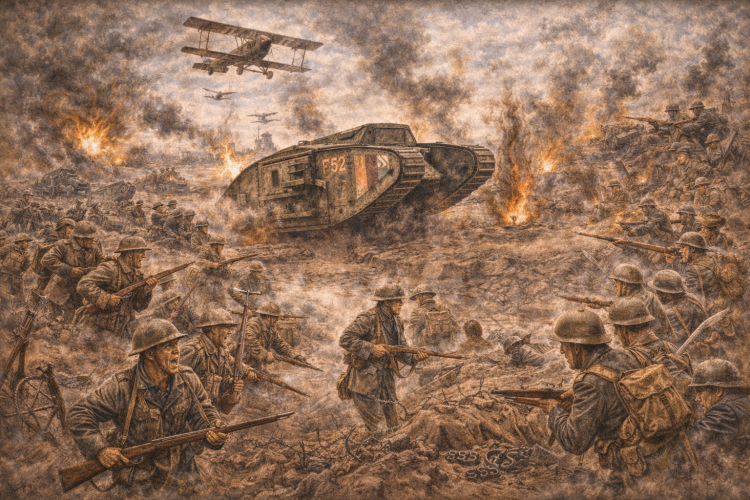
Why did trench warfare dominate the Western Front?
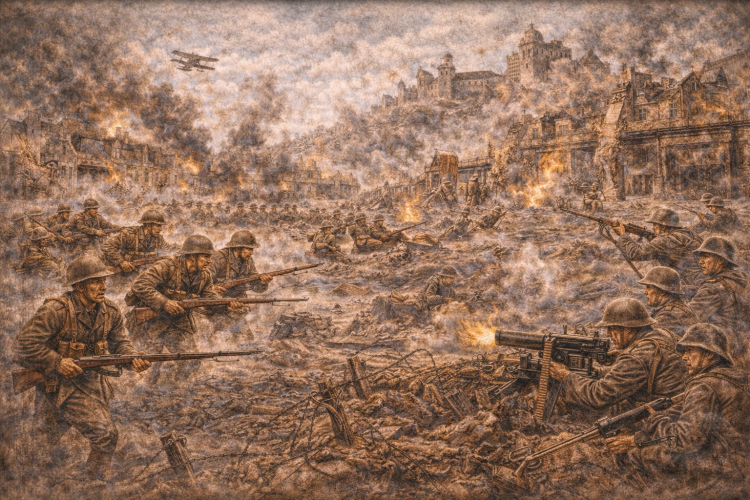
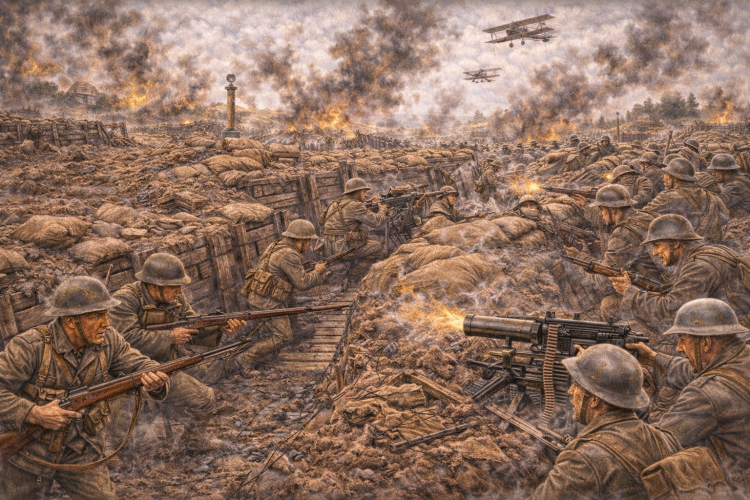
Modern weapons such as machine guns and artillery made traditional battlefield tactics deadly. Soldiers dug trenches for protection, resulting in prolonged stalemates, horrific living conditions, and enormous loss of life.
Why did the United States remain neutral at first?
The United States initially pursued neutrality due to its tradition of avoiding European conflicts and its diverse population with ties to both sides. Economic trade and diplomatic caution shaped early American policy.
What finally pushed the U.S. into the war?
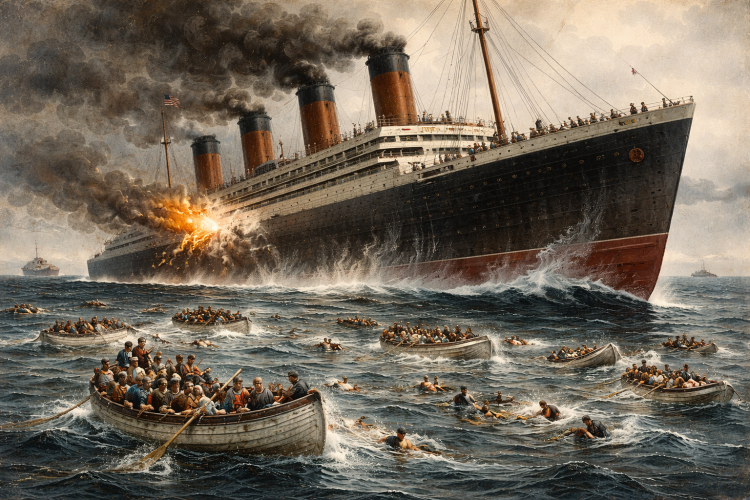
Germany’s unrestricted submarine warfare and the Zimmermann Telegram, which proposed an alliance with Mexico against the U.S., convinced American leaders that neutrality threatened national security.
Why did the war end in 1918?
By 1918, the Central Powers were exhausted by blockade, internal unrest, and fresh American troops reinforcing the Allies. Germany requested an armistice as its military position collapsed.
How did the Treaty of Versailles shape the future?
The treaty imposed territorial losses, military restrictions, and heavy reparations on Germany. These terms created resentment and instability, contributing directly to the rise of extremist movements and World War II.
Why is World War I still studied today?
World War I marked the transition to modern warfare and reshaped global politics. Its unresolved consequences influenced international relations, military strategy, and political ideologies throughout the 20th century.
Background and Long-Term Causes of World War I
By the early 20th century, Europe was marked by rising tension and instability. Several long-term factors contributed to the outbreak of war:
- Militarism – European nations expanded their armies and navies, increasing the likelihood of conflict.
- Alliances – Countries formed binding military alliances that obligated them to defend one another.
- Imperialism – Competition for overseas colonies created rivalries between major powers.
- Nationalism – Ethnic and national groups sought independence, particularly in the Balkans.
These underlying tensions meant that a single crisis could trigger a much larger war.
🕰️ World War I Timeline (1914–1918)
1914 – War Begins
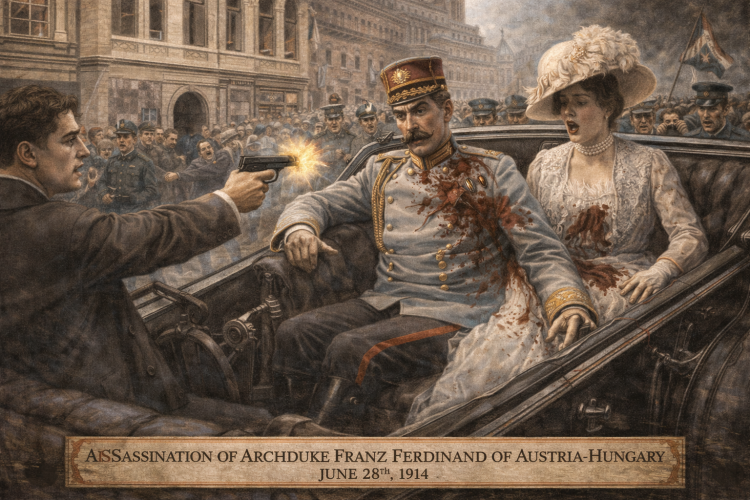
The assassination of Archduke Franz Ferdinand triggers a chain of alliance-based declarations of war.
1915 – Trench Warfare Expands
The Western Front becomes locked in trench warfare, leading to massive casualties.
1916 – War of Attrition
Major battles at Verdun and the Somme demonstrate the brutal nature of industrial warfare.
1917 – United States Enters
The U.S. declares war on Germany following submarine attacks and the Zimmermann Telegram.
1918 – Armistice Signed
Fighting ends on November 11, 1918, after Germany requests an armistice.
1919 – Treaty of Versailles
The peace treaty formally ends the war and reshapes Europe.
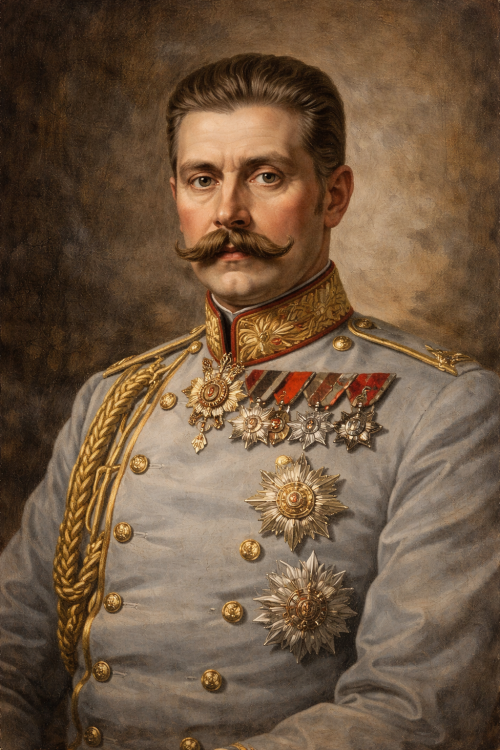
The Immediate Trigger: Assassination of Archduke Franz Ferdinand
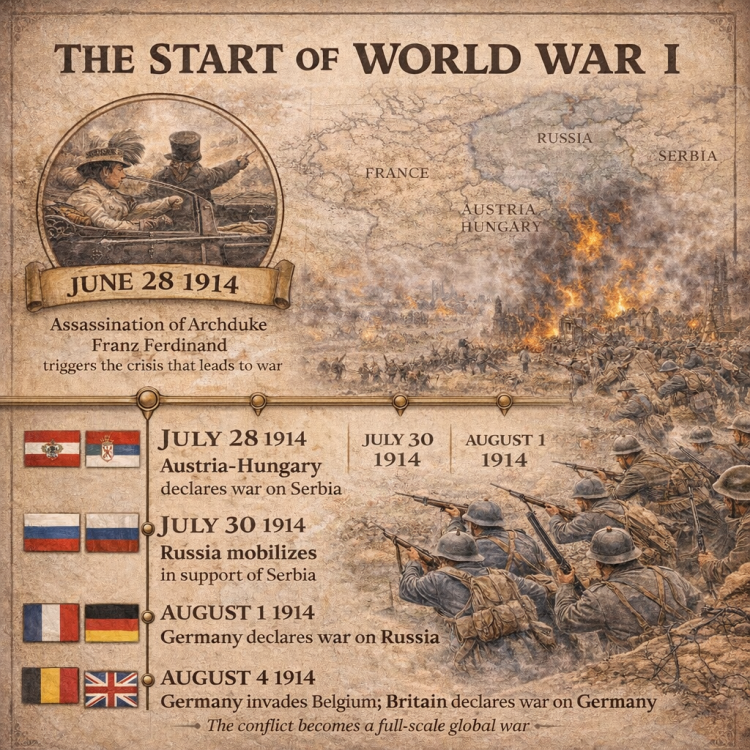
The immediate cause of World War I was the assassination of Archduke Franz Ferdinand of Austria-Hungary on June 28, 1914, in Sarajevo, Bosnia. The assassin was linked to Serbian nationalist groups seeking independence from Austro-Hungarian rule.
In response:
- Austria-Hungary declared war on Serbia
- Russia mobilized to support Serbia
- Germany, allied with Austria-Hungary, declared war on Russia
- France, allied with Russia, entered the war against Germany
- Britain joined after Germany invaded Belgium, violating its neutrality
What began as a regional conflict quickly escalated into a world war.
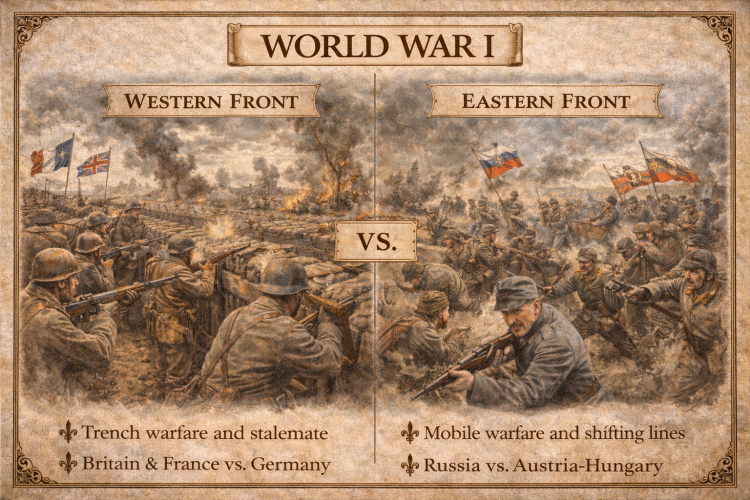
Major Fronts and Theaters of War
A quick overview of where World War I was fought and how each theater differed.
Western Front
The Western Front stretched from Belgium to Switzerland and saw some of the war’s most intense fighting. It became famous for:
- Trench warfare
- Stalemates and massive casualties
- Battles such as Verdun and the Somme
Eastern Front
The Eastern Front was more fluid, involving Germany, Austria-Hungary, Russia, and later Romania. Unlike the West, it saw large territorial movements and fewer trenches.
- More mobile warfare
- Shifting front lines
- Large-scale maneuvers
Other Theaters
World War I was truly global, with fighting in:
- The Middle East
- Africa
- Asia
- At sea, through naval warfare and submarine campaigns
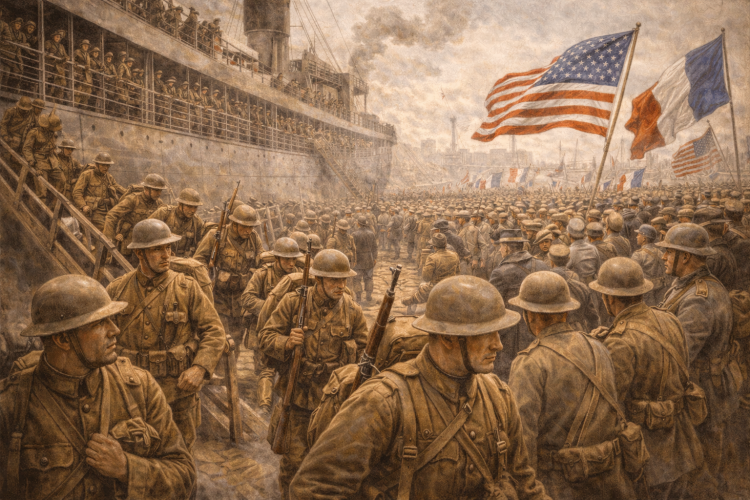
American Involvement in World War I
For much of the war, the United States remained neutral. This changed due to several key factors:
- German submarine attacks on neutral shipping
- The sinking of ships with American citizens aboard
- The Zimmermann Telegram, in which Germany encouraged Mexico to attack the U.S.
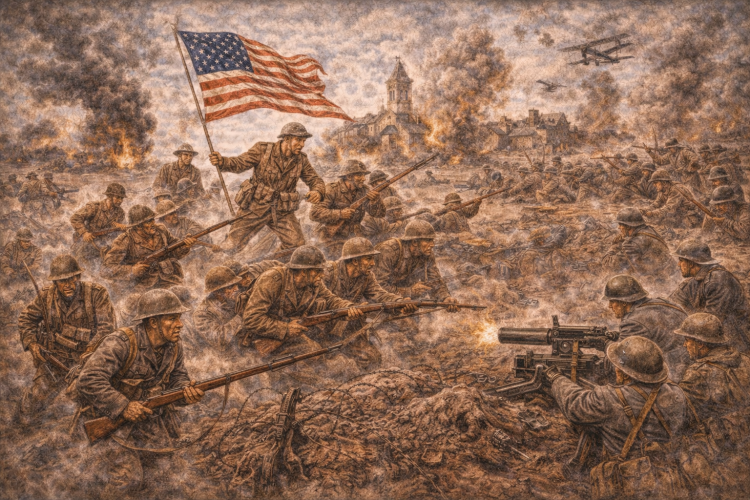
In April 1917, the United States, under President Woodrow Wilson, declared war on Germany and joined the Allied Powers.
American involvement provided:
- Fresh troops
- Industrial resources
- Financial support
These contributions played a decisive role in shifting the balance of power on the Western Front.
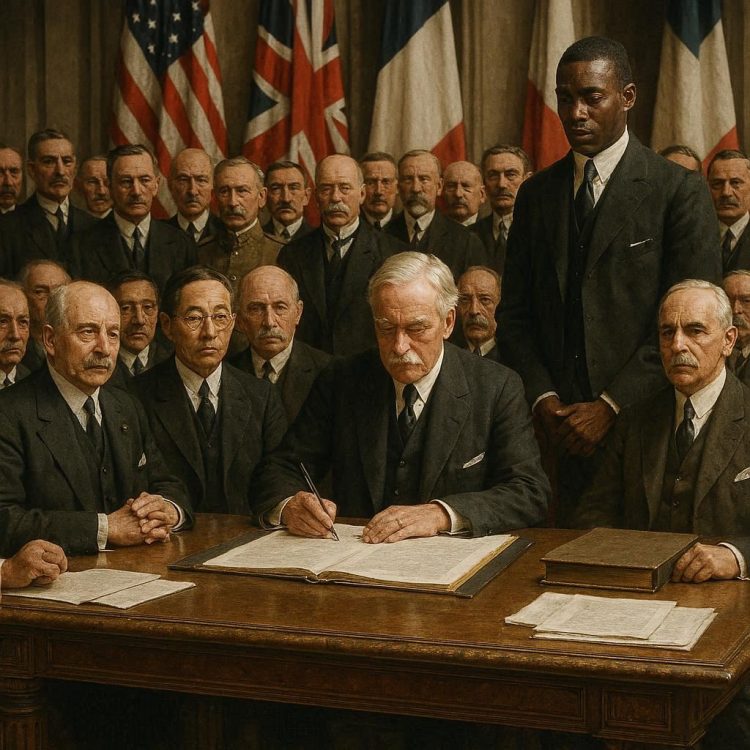
End of the War and the Treaty of Versailles
By late 1918, the Central Powers were exhausted. Germany requested an armistice, and fighting officially ended on November 11, 1918.
The war formally concluded with the Treaty of Versailles (1919), which:
- Imposed heavy penalties on Germany
- Redrew European borders
- Created new nations
- Established the League of Nations
The treaty’s harsh terms would later contribute to political instability and the rise of World War II.
Results and Historical Significance
World War I had profound consequences:
- Over 16 million deaths
- Collapse of major empires (German, Austro-Hungarian, Ottoman, Russian)
- Political revolutions and new nations
- Redefined warfare through technology and total war
- Set the stage for future global conflict
Why World War I Matters
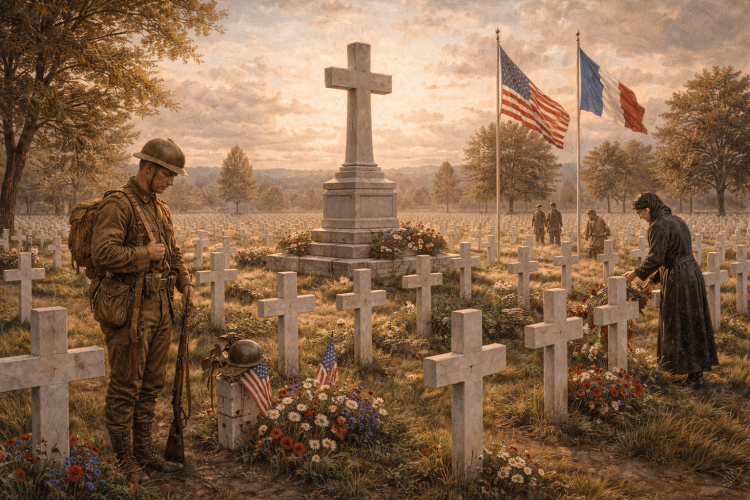
World War I marked the end of the old European order and the beginning of the modern geopolitical world. Its legacy influenced international relations, military strategy, and political movements throughout the 20th century and beyond.
Explore More
This hub page connects to detailed articles on:
- Causes of World War I
- Major battles and fronts
- World War I leaders
- Trench warfare
- American involvement
- The Treaty of Versailles
❓ World War I – In-Depth Frequently Asked Questions
What were the main causes of World War I?
World War I was caused by a combination of long-term tensions and an immediate trigger. The main underlying causes included militarism, competing alliances, imperial rivalries, and nationalism, particularly in the Balkans. These pressures made Europe highly unstable, meaning that a single crisis could escalate into a large-scale war.
Why did the assassination of Archduke Franz Ferdinand lead to a world war?
The assassination of Archduke Franz Ferdinand in June 1914 triggered World War I because of Europe’s complex alliance system. When Austria-Hungary declared war on Serbia, allied nations were drawn in step by step, turning a regional conflict into a global war within weeks.
Why was trench warfare so important on the Western Front?
Trench warfare developed because modern weapons such as machine guns and artillery made open-field combat extremely deadly. Soldiers dug extensive trench systems for protection, leading to years of stalemate, horrific living conditions, and massive casualties along the Western Front.
Why did the United States enter World War I in 1917?
The United States entered the war after Germany resumed unrestricted submarine warfare, sinking ships with American passengers aboard. The situation worsened with the Zimmermann Telegram, in which Germany encouraged Mexico to attack the U.S., convincing American leaders that neutrality was no longer possible.
How did World War I come to an end?
By late 1918, the Central Powers were militarily exhausted and facing internal unrest. Germany requested an armistice, which took effect on November 11, 1918. Formal peace was later established through treaties, most notably the Treaty of Versailles.
Why is World War I considered historically significant?
World War I reshaped the global order by destroying empires, redrawing national borders, and transforming warfare. Its unresolved political and economic consequences contributed directly to the rise of extremist movements and the outbreak of World War II just two decades later.
🧠 World War I Knowledge Quiz
📘 World War I Glossary
Allied Powers
The coalition of nations that fought against the Central Powers, including Britain, France, Russia, and later the United States.
Central Powers
The alliance led by Germany and Austria-Hungary, joined by the Ottoman Empire and Bulgaria.
Trench Warfare
A form of defensive warfare in which opposing armies dug extensive trench systems, especially on the Western Front, leading to stalemate and massive casualties.
Armistice
An agreement to stop fighting. In World War I, the armistice took effect on November 11, 1918, ending combat.
Treaty of Versailles
The 1919 peace treaty that formally ended World War I, imposed penalties on Germany, and reshaped European borders.
Zimmermann Telegram
A secret German message proposing a military alliance with Mexico against the United States, helping trigger U.S. entry into the war.